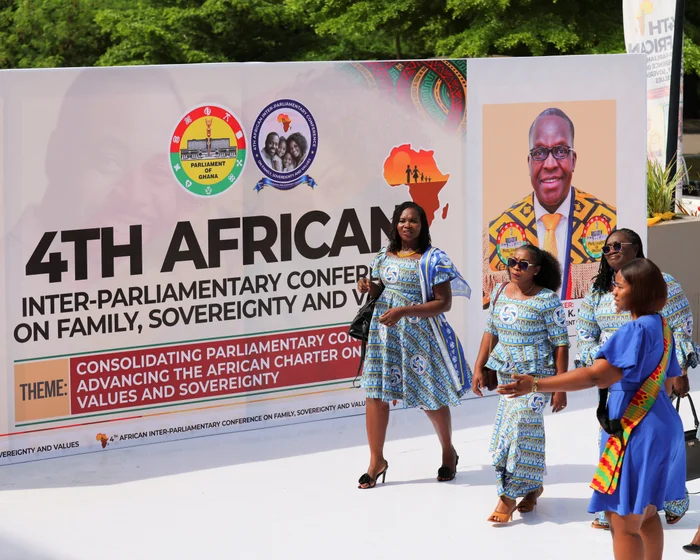
Concerns Mount Over Proposed African Charter Challenging International Human Rights Norms
A newly developed draft framework intended to guide African family policies has drawn significant criticism from international human rights organizations. The document reportedly positions specific cultural and traditional values as paramount, asserting that adherence to these principles is crucial for national sovereignty. Critics argue that the charter fundamentally undermines decades of established continental and global commitments regarding individual rights, particularly those concerning gender equality and reproductive autonomy.
The proposed charter seems to draw a clear line between culturally defined norms and international legal standards. By framing certain global health and rights agreements as incompatible with African values, the draft appears to encourage member states to disengage from multilateral treaties. This move has sparked concern among legal experts who see it as a potential regression from established human rights progress in the region.
What This Means: Implications for Rights and Governance
The significance of this development lies in its potential to reshape regional policy frameworks. If adopted or heavily influenced by the proposed charter, it could create a legal and political environment that subordinates established rights—such as access to comprehensive sexual and reproductive healthcare—to cultural interpretations of the family unit. For advocates, this represents a notable setback, signaling a potential shift away from promoting gender equality and bodily autonomy as universal rights within the continent.
The current debate centers on balancing cultural preservation with universal human rights standards. Those advocating for the charter emphasize protecting unique African customs and resisting outside influences deemed detrimental to local societal structures. Conversely, rights groups contend that human rights, including those related to health and gender equality, are not negotiable and are foundational elements of modern governance, regardless of origin.
Background and Context: The Weight of International Commitments
The tension highlighted by the draft charter is not new, but it represents a potential hardening of a jurisdictional debate. Historically, Africa has been a leader in adopting progressive human rights instruments, including protocols that specifically guarantee rights for women and girls. These existing treaties establish clear, legally binding standards for state behavior. The introduction of a framework that suggests withdrawing from such agreements poses a direct challenge to the legal architecture built over the last few decades.
Experts point out that regional development and governance rely heavily on the consistent adherence to these shared international benchmarks. The emerging narrative appears to prioritize a localized definition of the ‘family’ and ‘culture’ over universally recognized minimum standards of care and individual freedom. Navigating this conflict between deeply held cultural identity and evolving global rights jurisprudence will define the future direction of continental law and policy.
About the Author