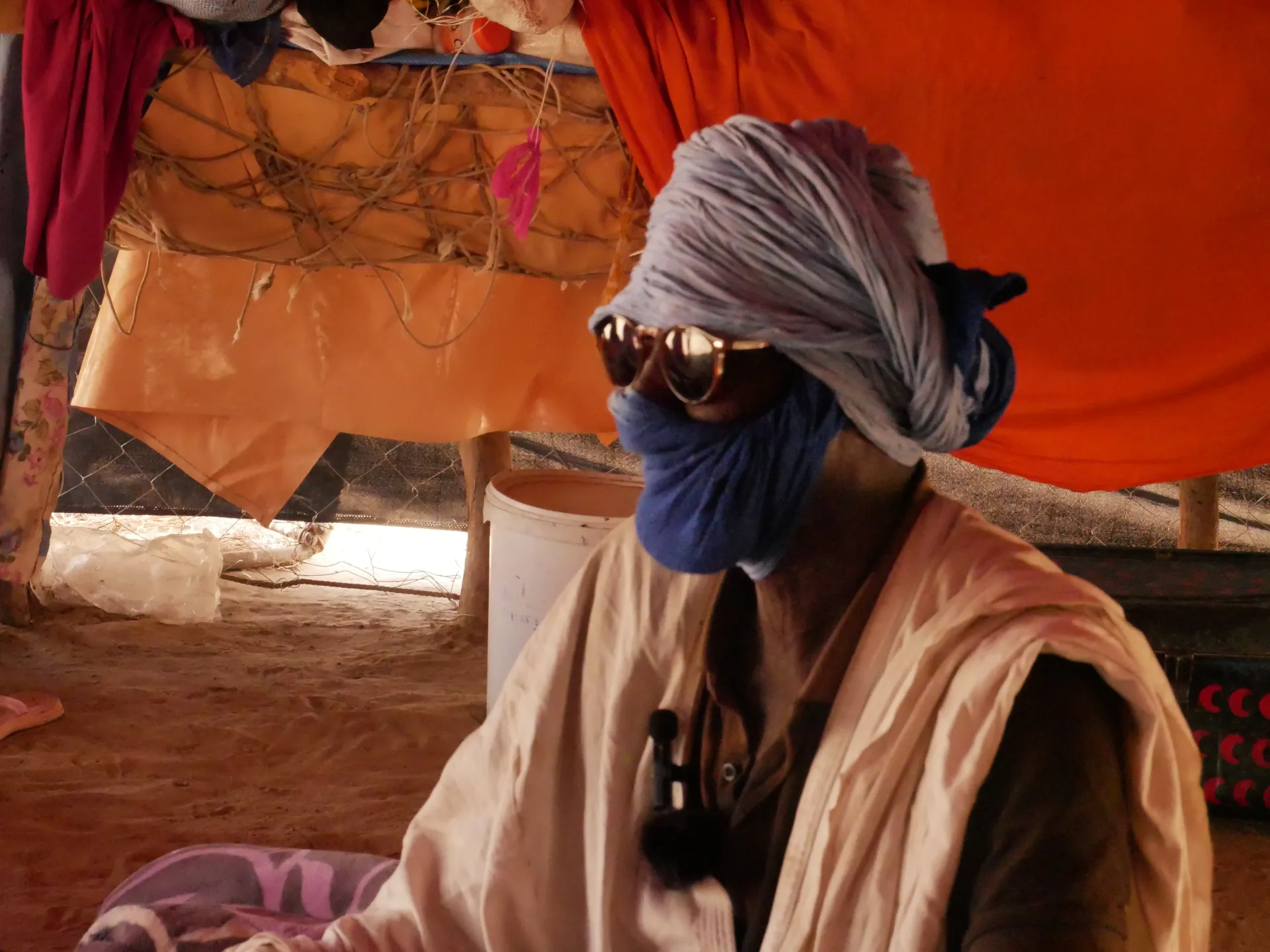
The escalating violence gripping Mali has forced countless families to abandon their homes and flee across international borders. Eyewitness accounts from survivors describe scenes of extreme brutality, citing instances of horrific violence and persecution perpetrated against civilians. These accounts paint a picture of a deeply fractured region where the threat of armed conflict looms over daily life, leading to mass displacement.
At the core of the crisis is a complex and volatile mix of fighting forces. The Malian government forces, supported by international allies, are engaged in protracted conflict with various militant factions affiliated with major global terror organizations. Simultaneously, the conflict is further complicated by internal disputes and regional jockeying for power. These deep divisions mean that accusations of human rights violations are leveled against virtually every major participant in the ongoing hostilities.
This intense instability situates Mali at the epicenter of a deteriorating security landscape across the West African Sahel. The fighting dynamics are so severe that analysis indicates that the pattern of civilian casualties is tragically indiscriminate, affecting communities regardless of their perceived allegiance. The environment described by observers is one where survival depends on navigating deadly confrontations, making virtually any location inherently dangerous.
About the Author