Art as Testimony: Gaza’s Young Creators Processing War Through Mediums
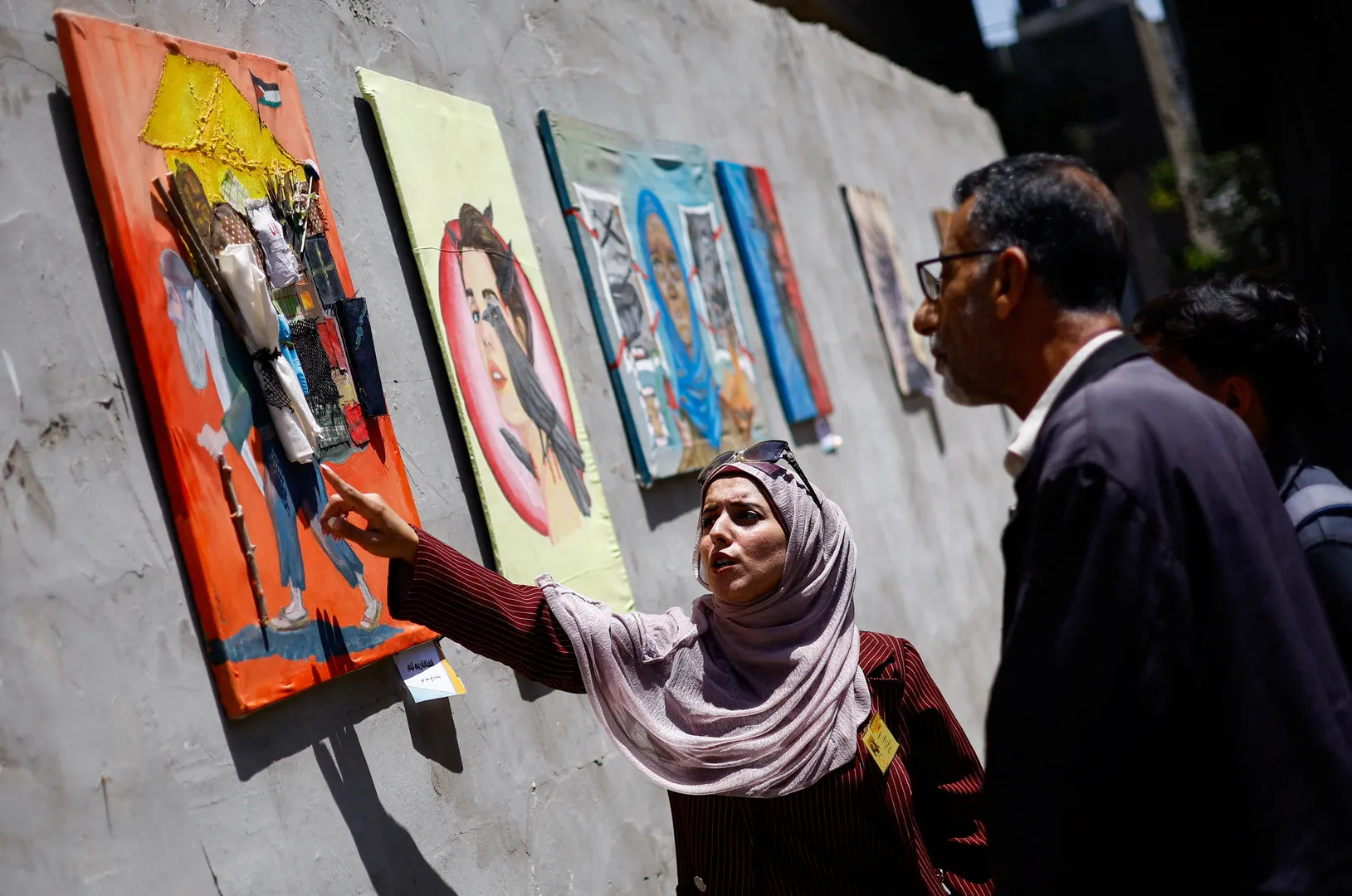
In the challenging environment of Gaza, a new wave of artistic expression is emerging, transforming personal struggle into powerful public statements. A gathering of young Palestinian artists is utilizing their creative work to process the profound and ongoing realities of conflict, displacement, and deep loss. These exhibitions are not merely visual displays; they serve as critical forms of documentation, allowing artists to give tangible form to experiences that defy easy description.
The art being presented originates from communities enduring sustained periods of instability. By creating and exhibiting their pieces, these young practitioners are building a narrative archive—a record crafted by their own hands. Their output speaks volumes about resilience, transforming trauma into something that can be viewed, understood, and shared with the world.
The Significance of Artistic Expression Under Duress
The movement of art into the public sphere during times of crisis is historically significant. For the young artists involved, the studio or exhibition space becomes a vital act of resistance. It is a way to maintain cultural continuity and a means of psychological survival when other aspects of daily life are severely restricted or destroyed. Their work confronts themes of human endurance, memorializing moments, and asserting cultural identity against overwhelming forces of conflict.
The exhibition itself functions as a critical educational tool, educating viewers—both local and international—about the lived experience of life under siege. By focusing on creative output, the art bypasses purely political discourse, allowing the emotional and human dimensions of the crisis to take center stage. It presents a portrait of people who, despite unimaginable hardship, continue to nurture creativity and seek meaning through beauty and form.
Contextualizing the Artistic Voice
These artistic efforts emerge from a background of prolonged upheaval, where normal life patterns have been radically disrupted. The sheer act of convening a group of young talent to share their work speaks to a vibrant, persistent cultural spirit. The art itself serves as a multifaceted mirror, reflecting the physical damage alongside the intangible emotional scars carried by the community.
Examining the scope of these exhibitions allows observers to see the multifaceted nature of human response to crisis. It is a testament to the human need for expression, suggesting that even when foundational structures crumble, the drive to tell a story, whether through sculpture, painting, or performance, remains an inherent, powerful human imperative. This collective body of work positions art not as a luxury, but as an essential mechanism for remembrance and cultural preservation.
About the Author