Diverging Tones at Anzac Day: Ceremony and Confrontation Mark National Commemorations
National remembrances for Anzac Day this year were marked by significant public division, with reports detailing instances of disruptive behavior during official ceremonies across major Australian cities. While some commemorations proceeded with solemnity, others were marred by vocal dissent, particularly during moments acknowledging Indigenous heritage. This contrast in public reception has brought the nature of national memory and cultural acknowledgment into sharp focus.
The atmosphere at dawn services in locales including Sydney, Melbourne, and Perth experienced unpredictable elements of crowd reaction. Specific instances documented included vocal protest during the recognition of traditional lands, suggesting a wider societal dialogue about reconciliation and acknowledgment that remains highly polarized. These occurrences underscore that public memorial events are not monolithic, but rather sites of ongoing social negotiation.
The Significance of the Ceremony Divide
The friction observed at these national services highlights a deeper schism in how Australia collectively observes its history. When structured remembrance—such as the recognition of Country—becomes a focal point of disagreement, it forces a visible reckoning between established traditions of military commemoration and the contemporary demands for Indigenous recognition. The differing reactions suggest that the meaning derived from such significant public gatherings is not universally shared, leading to dramatic, visible confrontations at the periphery of expected solemnity.
Observation at Parallel Events
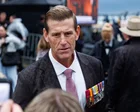
Conversely, other related public gatherings provided a different tableau. For instance, attendance at a separate dawn service on the Gold Coast remained a key point of focus. The presence of well-known military figures at these non-confrontational settings draws attention to the varied participation across different commemorative sites. The sustained attendance of certain public figures, who have addressed controversial matters in the past, suggests a commitment to participating in the ritual of remembrance despite the surrounding social turbulence.
Contextualizing the Tension
The unrest noted during the acknowledgment of Country speaks to a national conversation around historical accountability. For many participants, the day represents a complex layering of narratives: the service’s history, the service’s relationship with Indigenous populations, and the current societal push for Truth-telling. The varied responses observed—from respectful participation to open protest—reflect the unresolved nature of these layered national memories and the ongoing process of defining shared historical understanding for the modern populace.
About the Author