Economic Pressures Altering Traditions: How Cost-of-Living Concerns are Changing Eid Celebrations in Nigeria
The annual religious observances, such as Eid, are traditionally vibrant occasions marked by communal gathering, feasting, and specific rituals. However, the current economic climate across Nigeria is significantly influencing how families approach these cultural milestones. Instead of elaborate, multi-state celebrations, many households are exhibiting a marked shift toward modesty and resourcefulness, recalibrating long-held traditions to fit increasingly tight financial budgets.
This adjustment is evident in both the domestic realm and the logistical aspects of large family reunions. Expenditures that previously allowed for significant travel—such as journeys to extended family residences in neighboring states—are now being reconsidered due to prohibitively high costs associated with transportation and daily necessities. As a result, celebrations are becoming more localized and intensely focused on what resources are immediately available within the community.
Significance of Shifting Spending Habits
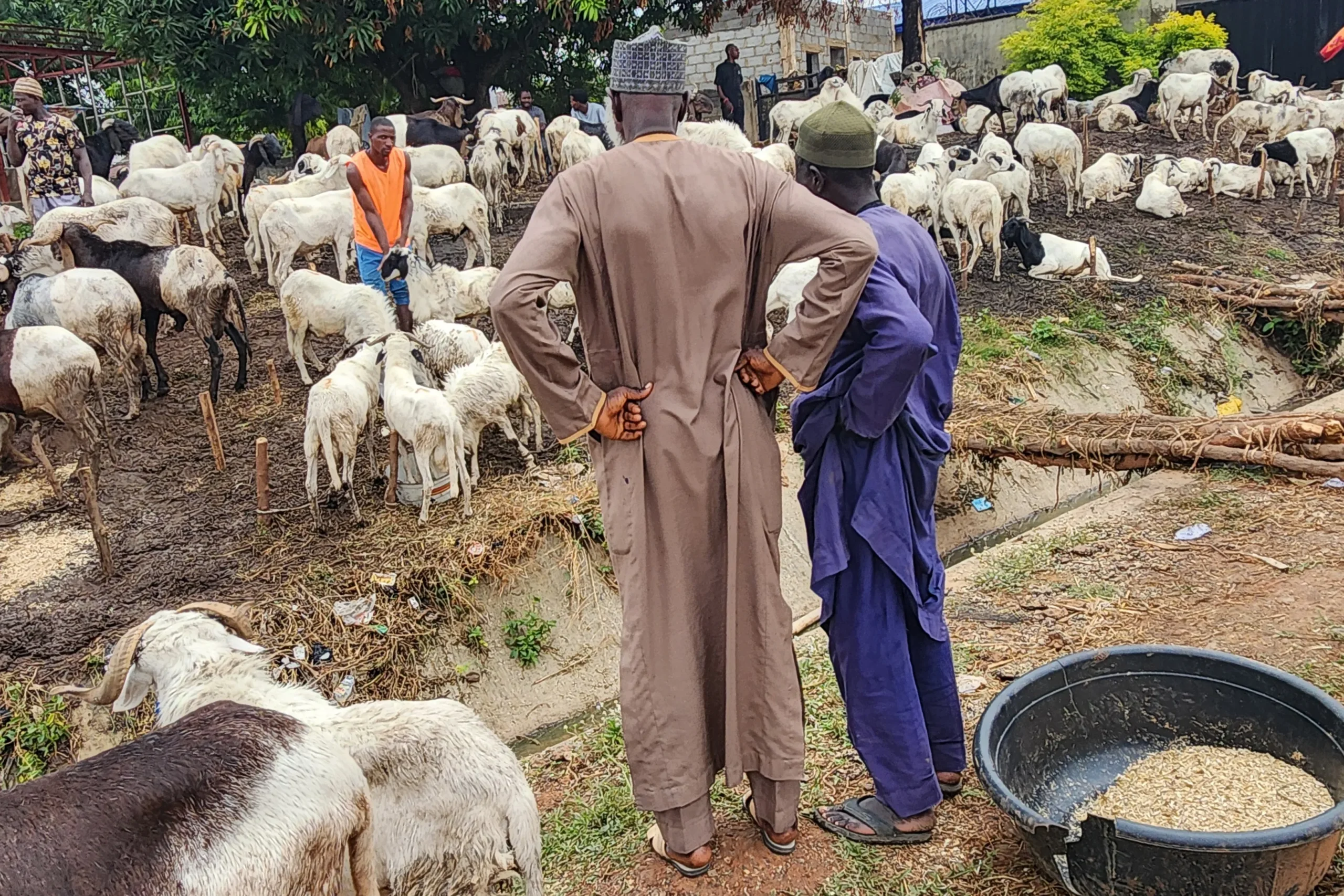
The changes in spending during major festivals offer a clear snapshot of the broader economic strain affecting Nigerian households. Historically, these festivals provided an economic engine, involving market purchases, animal sacrifices, and large family gatherings, all of which contributed to local economies. Now, however, the primary concern is solvency rather than scale. The ability of community pillars—such as educational institutions or local religious centers—to maintain normal operations is itself under strain, with financial support becoming harder to secure from parents and community members alike.
This shift necessitates a fundamental level of personal financial assessment before any major festive planning begins. Decisions that once involved travel to distant relatives or hosting large feasts are now subjected to careful cost-benefit analyses. The priority is clearly shifting from outward display of celebration to ensuring basic necessities for the immediate family unit.
Contextualizing the Financial Squeeze
The economic pressures are pervasive, touching every facet of daily life in major urban centers. The escalating costs of staple foods and the general rise in the cost of moving people between regions have made previously routine festive activities unaffordable for many. For individuals, even those who might be participating in programs or assignments away from home, the financial barrier for returning to their roots has become insurmountable. This reflects a broader national trend where the impact of inflationary pressures is reshaping deeply rooted cultural practices.
What this indicates is a widespread adaptation mechanism at the community level. While the spirit of the festival remains deeply important, the execution is being managed through fiscal prudence. The focus, according to observations, is on strengthening the core family bond through simpler, achievable forms of gathering, rather than replicating larger, more financially demanding versions of past celebrations.
About the Author