Gaze into a Humanitarian Crisis: The Struggle for Sight Among Gaza’s Youth
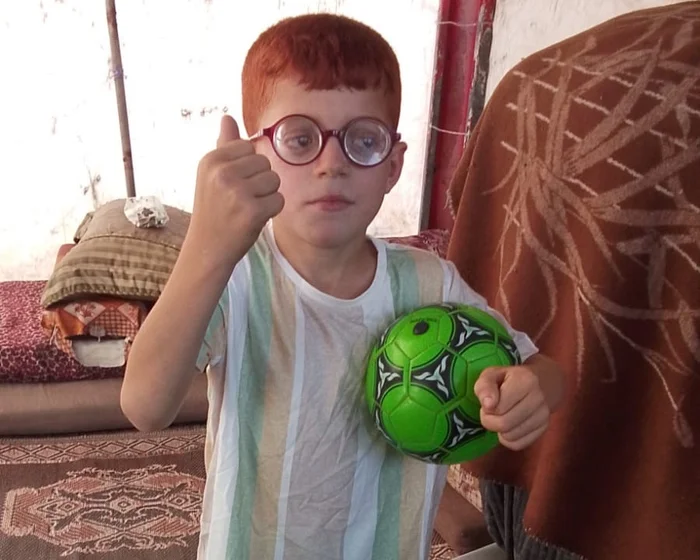
A poignant video featuring a young Palestinian boy crying over broken eyewear has captured worldwide sympathy, drawing sharp focus to a deeper, systemic humanitarian crisis. The immediate emotional appeal of the footage serves as a stark illustration of the severe lack of essential healthcare resources available to children with vision impairments in the Gaza Strip.
The situation depicted goes beyond a single incident; it reflects a widespread failure in basic medical infrastructure. For numerous children struggling with visual disabilities, the lack of functional glasses or the necessity for specialized eye surgeries represents a critical life barrier. International attention has been brought to the acute difficulty in accessing fundamental care, such as routine eye checkups and necessary corrective procedures.
The Profound Impact on Development and Life Prospects
The inability to receive routine ophthalmic care fundamentally compromises the development and educational trajectories of these children. Vision is intrinsically linked to learning and normalcy; without appropriate corrective lenses, children are often functionally blind to their peers, limiting their ability to participate in education and daily life.
According to reports surfacing from the region, the combination of conflict-related devastation and imposed blockades has created a medical desert for specialized care. This has resulted in a backlog of unaddressed conditions, transforming what should be routine pediatric care into a life-threatening emergency.
Understanding the Underlying Obstacles
The obstacles facing vision care in Gaza are multifaceted and severe. Beyond the immediate destruction of medical facilities, the restrictive environment severely limits the movement of essential medical supplies, advanced equipment, and specialized personnel needed for modern ophthalmological treatment. This infrastructural breakdown means that even when care is desperately needed, the logistical pathway to receiving it is blocked or non-existent.
The need for complex surgeries, in particular, requires steady supply chains for medications, sterile equipment, and highly trained surgeons—all of which are reportedly critically scarce. The situation underscores a profound breakdown in the established mechanisms for providing specialized, life-sustaining medical treatment to the civilian population.
What This Means: A Call for Targeted Global Intervention
The outcry surrounding this visible struggle serves as a powerful call for targeted international intervention focused specifically on rehabilitative and preventative medicine. Addressing the crisis requires more than aid; it demands the re-establishment of reliable, neutral corridors for medical teams and supplies capable of delivering comprehensive eye care. Support must aim to restore the basic functionality of local ophthalmology services, ensuring that every child has access to the simple means—a clear lens or a necessary operation—to see a future.
About the Author