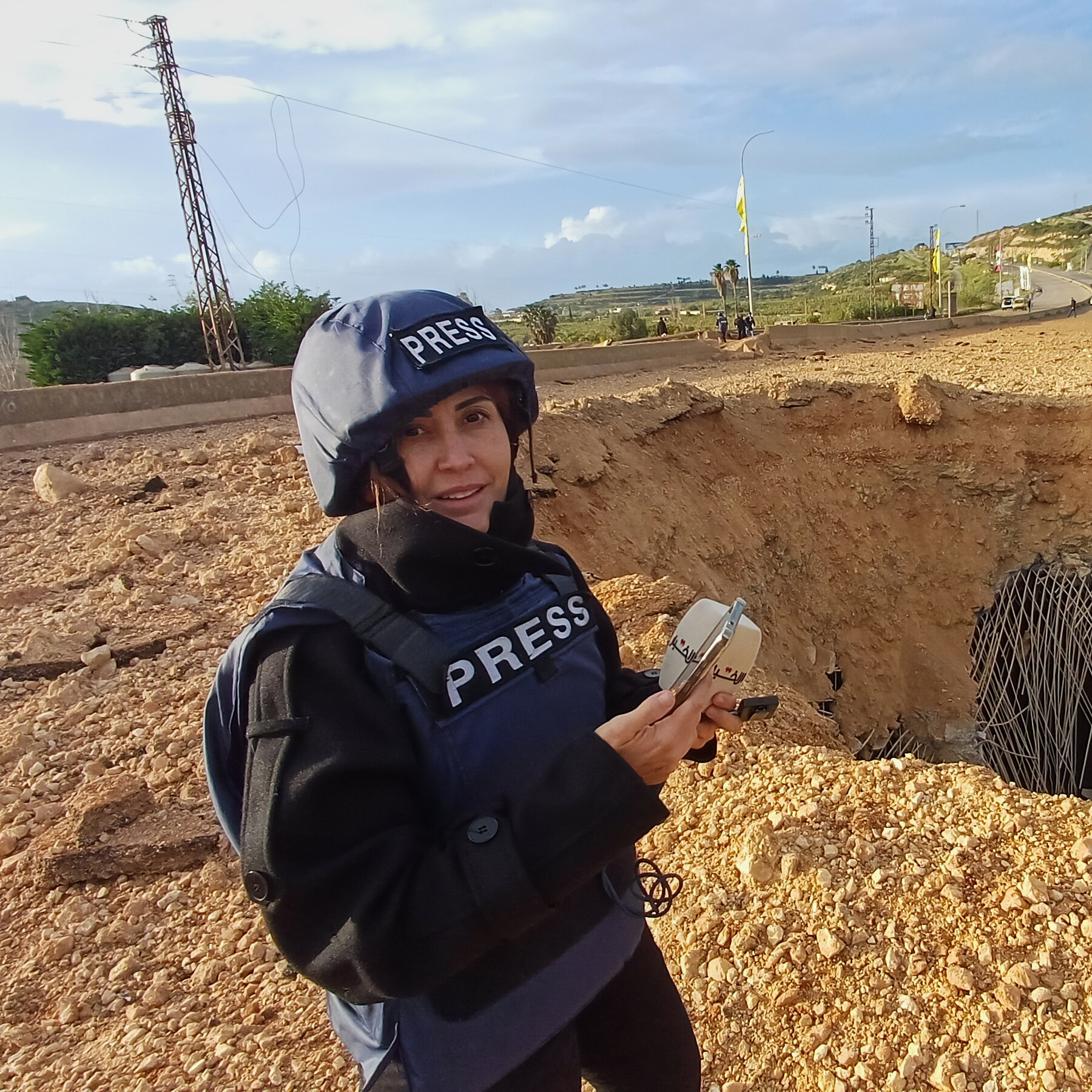
Cross-Border Conflict Leads to Journalist Casualties in Lebanon
Recent confrontations in Lebanon have resulted in serious incidents targeting media personnel. Reports indicate that journalists attempting to provide aid and assistance in areas affected by escalating cross-border tensions came under hostile fire. These events underscore the persistent danger faced by those embedded in conflict zones, even when their efforts are focused on documenting events or assisting civilians.
Specifically, multiple media workers were reportedly impacted by the violence. An incident highlighted the peril faced by reporters and photojournalists who are on the ground trying to maintain awareness of unfolding events. The necessity of medical and rescue efforts in volatile regions increases the risk to all personnel involved, including those documenting the humanitarian needs.
What This Means: Heightened Risk for Media
The safety of journalists in Lebanon remains a critical and volatile issue. When rescue and reporting missions are targeted, it signals a breakdown in safety protocols across the operational area. This trend suggests that the lines between military conflict, humanitarian aid, and independent reporting are increasingly blurred and dangerously contested. The ability of the press to function as a vital check on power and an impartial record-keeper is directly jeopardized when its practitioners become casualties of the conflict itself.
For the international community, these incidents serve as a stark reminder that freedom of the press in conflict zones demands extraordinary protection. The focus shifts from simply documenting the violence to ensuring the physical security of those documenting it. These targeted incidents complicate efforts to establish neutral zones for aid and information flow.
Background and Context
The ongoing instability in Lebanon is characterized by multiple intersecting geopolitical and internal pressures. The country has experienced severe internal fractures alongside regional escalations, creating an environment where civil conflict risks overlapping with international power dynamics. Media personnel are often caught in the crossfire, making their professional endeavors inherently risky. Rescue teams and journalists frequently operate in areas that are not delineated or guaranteed as safe by any single authority.
These confrontations underline the humanitarian dimension of the reporting crisis. When aid workers and press photographers are injured or killed while assisting others, it represents a failure to secure basic operational safety for essential civilian services. The need for internationally monitored corridors for both aid and legitimate journalism has become a recurring, urgent discussion point among international observers following such flare-ups of violence.
About the Author





