Tensions Flare in the Strait of Hormuz Following Reported Maritime Incidents
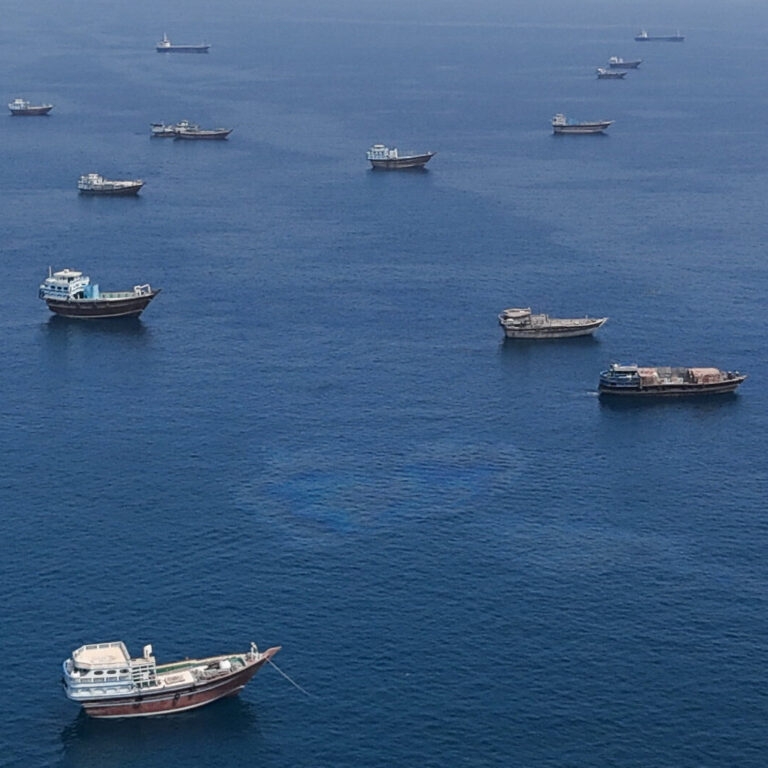
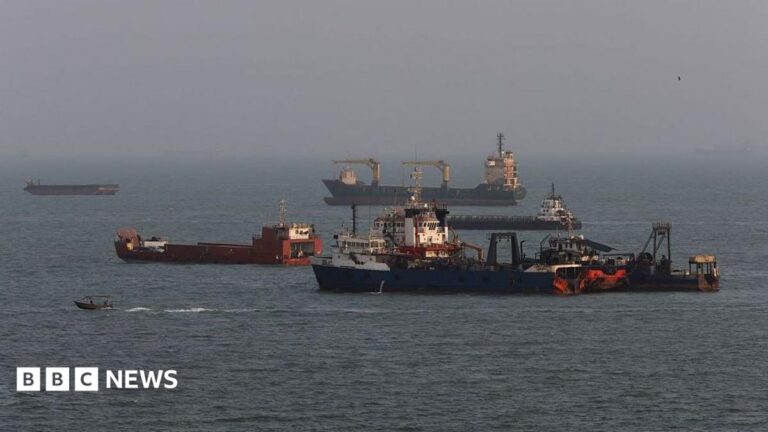
Recent reports indicate a heightened level of maritime tension in the vital Strait of Hormuz. Details have emerged concerning the seizure of two vessels in the area. The incident reportedly occurred against a backdrop of ongoing international pressure, specifically mentioning the continuation of a blockade targeting Iranian port facilities.
Information circulating suggests that the intercepted ships were reportedly subjected to hostile action near this critical waterway. The nature and source of the aggression are points of focus, drawing attention to the volatile geopolitical dynamics governing the passage through one of the world’s most crucial oil transit points. These developments suggest a period of elevated risk for commercial and military shipping operating through the Strait.
The Significance for Global Trade Routes
The geopolitical importance of the Strait of Hormuz cannot be overstated; it serves as a key artery for the global energy supply. Any escalation of confrontation or disruption in this narrow passage immediately impacts global commodity prices and the stability of international shipping lanes. The potential for these tensions to translate into actual operational impediments presents a significant risk assessment point for global economies that rely heavily on the throughput of oil and liquefied natural gas.
The seizure of commercial vessels, coupled with reports of military posturing, underscores the fragility of the region’s current diplomatic and security climate. Analysts are closely monitoring whether these incidents represent isolated confrontations or signaling a broader escalation in regional maritime disputes between major international powers and regional actors.
Geopolitical Context and Maritime Security
The underlying context for this heightened alert relates to the sustained pressure applied to the region’s port infrastructure. These strategic waterways are critical components of global energy logistics, making them inevitable focal points for international disputes. When external blockades or punitive measures are in place, the probability of friction incidents involving civilian and naval assets rises substantially.
The dynamics at play involve complex maritime law, international commercial interests, and national security postures. Any action taken against vessels in this area, regardless of the purported justification, carries immense global ramifications. The international community typically watches for de-escalatory measures alongside detailed diplomatic dialogues to prevent localized confrontations from spiraling into wider regional conflicts.
Navigating Future Risks
For commercial operators, the immediate implication is an increased need for heightened security protocols and updated risk assessments for all transit through the Strait. Governments and international shipping bodies are expected to issue advisories detailing the evolving threat landscape. The resolution of these persistent tensions will likely hinge on renewed diplomatic engagement aimed at guaranteeing the free and safe passage of all legitimate maritime traffic, irrespective of underlying political disputes.
About the Author