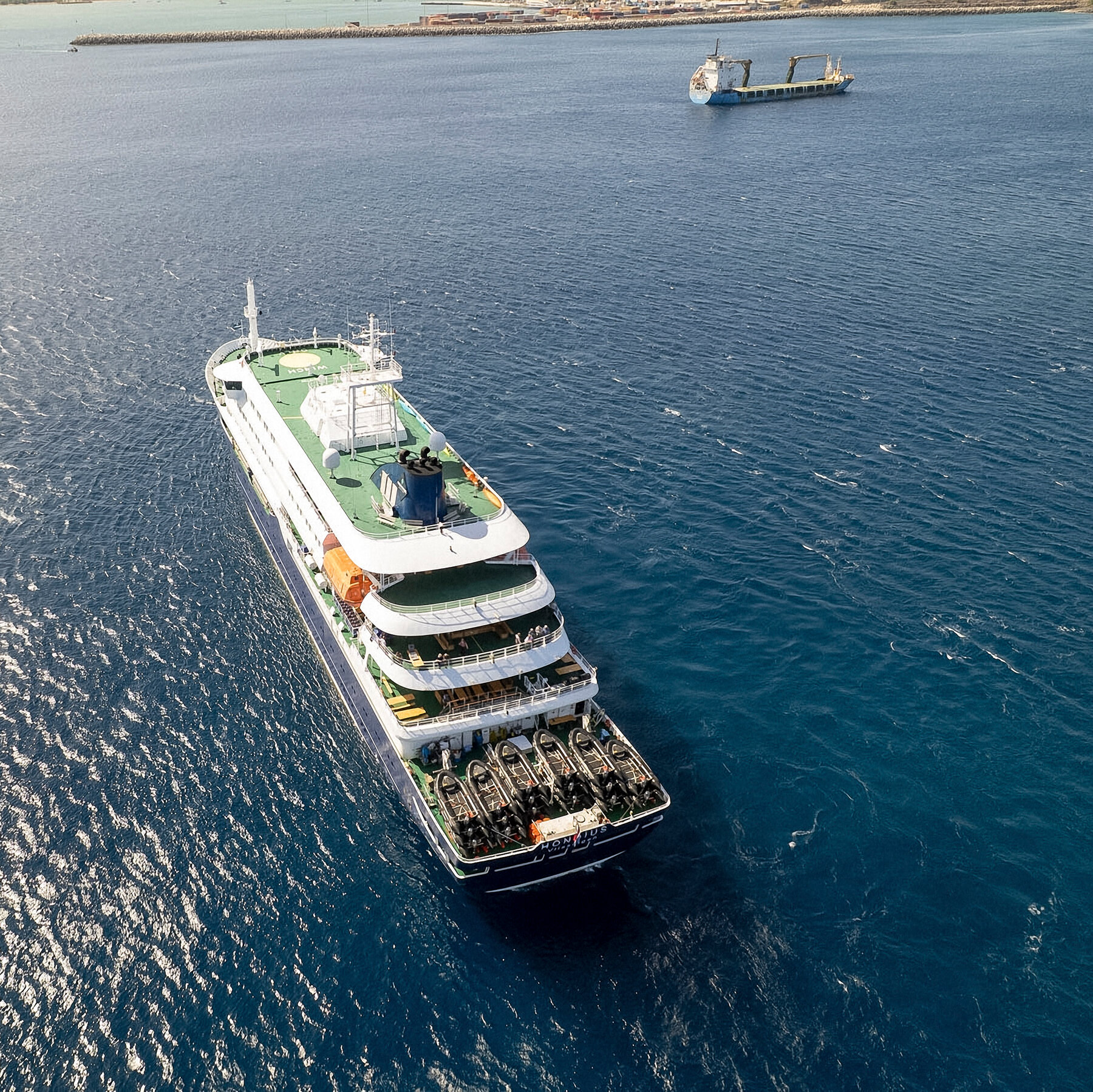
Cruise Ship Outbreak Spurs International Health Alert Over Hantavirus Infections
Health organizations have issued alerts regarding a concerning cluster of hantavirus infections traced back to an incident aboard a large passenger vessel. The latest updates confirm one case where the virus has been definitively identified through laboratory testing. Furthermore, several other individuals are under investigation as suspected cases, raising public health concerns about the transmission pathways of the pathogen in enclosed, high-density environments.
The situation prompts heightened vigilance from maritime health authorities and public health experts alike. Hantavirus is a serious illness transmitted to humans, and its appearance in a cruise ship setting demands a detailed understanding of the source and the necessary containment protocols. These confirmed and suspected instances underscore the critical need for rapid diagnostic capabilities and immediate public health interventions when outbreaks occur away from established land-based medical infrastructure.
Understanding the Implications of the Outbreak
The emergence of multiple suspected cases from a single source like a cruise liner has significant public health implications. It necessitates immediate and thorough investigation to determine the environmental reservoir of the virus—whether it originates from rodents, contaminated water sources, or other overlooked vectors. The level of concern revolves around preventing further transmission and managing the risk profile for passengers and crew members alike. Health officials are focusing intensely on tracing the common link among the affected individuals to curb any potential spread beyond the immediate maritime setting.
Context: What Hantavirus Is and How It Spreads
Hantavirus is a zoonotic illness, meaning it can jump between animals and humans. Naturally, it is often associated with rodent populations. Infection generally occurs through prolonged exposure to rodent excretions, such as urine or droppings. When these contaminated materials are disturbed—for instance, during cleaning or maintenance—aerosolized particles can enter the airways, leading to infection. The symptoms can range widely, and serious cases can lead to severe respiratory distress, requiring advanced medical support.
In a setting like a cruise ship, where many people are confined together for extended periods, the risk management challenge is compounded. While the investigation aims to pinpoint the exact source, the potential for shared environmental exposure makes comprehensive sanitation and monitoring paramount. The global health community continues to monitor such occurrences to update guidelines for international travel and vessel sanitation protocols, ensuring that these types of localized outbreaks are contained swiftly and effectively.
About the Author




