Cuban Workers Mark May Day Amid Persistent U.S. Sanctions
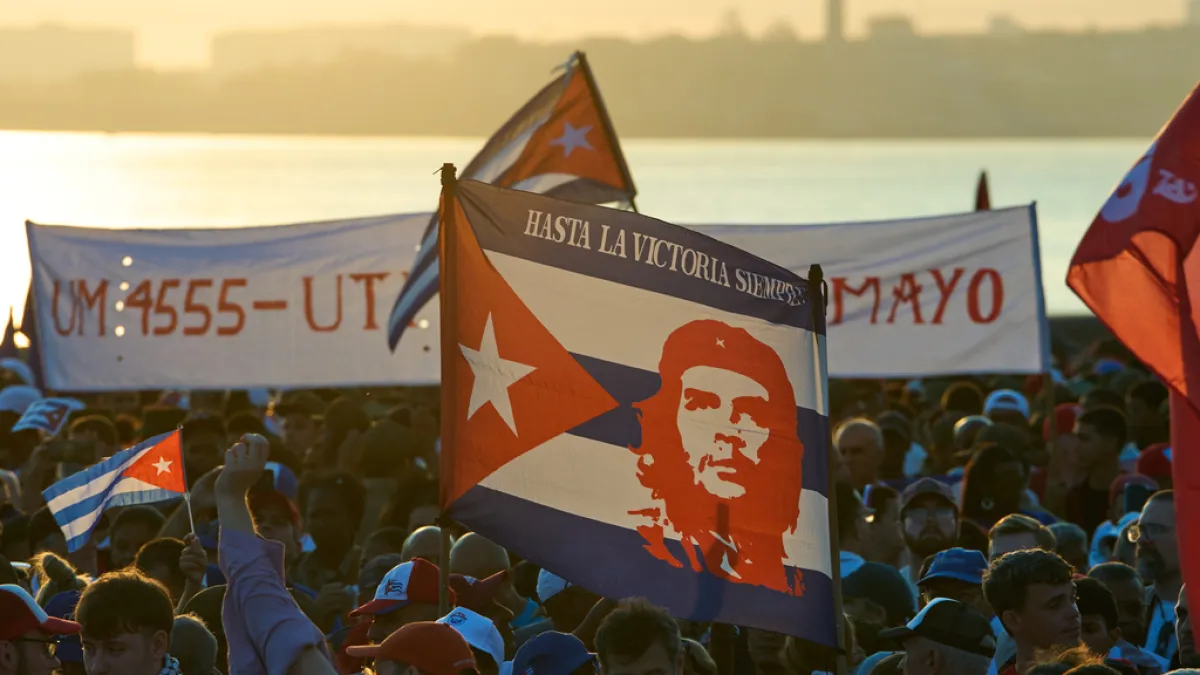
Cuba recently marked International Workers’ Day, a global observance for labor rights and solidarity, with notable public celebrations. These festivities, traditionally characterized by large gatherings and displays of collective spirit, took place against a backdrop of continued economic uncertainty stemming from external sanctions. The commemoration served as a focal point for the nation’s internal messaging regarding worker solidarity and national resilience.
The observance of May Day provided an opportunity for the Cuban government and civil society to emphasize the importance of the labor movement. Such events are significant, as they draw public focus toward the country’s social and economic structure, reinforcing core tenets of Cuban political and social life even as external economic pressures mount.
These annual celebrations are more than mere commemorations of labor history; they represent a key element of the Cuban state’s social messaging. They underscore the enduring commitment to organized labor and the collective rights of the workforce, presenting a narrative of internal cohesion despite mounting external headwinds.
What This Means: Resilience and Diplomatic Focus
The manner in which these celebrations proceed offers insight into the current internal focus of the Cuban government. By organizing and promoting visible displays of labor solidarity, the administration appears to be consolidating national narratives of strength and self-reliance. This strategic emphasis suggests a priority on maintaining domestic morale and presenting a united front to its population and international observers, rather than focusing on the points of external contention.
The sustained pattern of sanctions from the United States continues to exert profound, multifaceted pressure on the Cuban economy. These measures complicate trade, access to foreign currency, and the import of essential goods. Therefore, the prominence given to domestic celebratory events suggests a strategic pivot: channeling national energy and focus internally toward communal celebration and ideological reinforcement.
Background and Context: The Labor Movement’s Importance
For many nations, including Cuba, International Workers’ Day carries deep historical and political resonance. It is fundamentally linked to the global history of industrialization, union formation, and the fight for better working conditions. In the Cuban context, the labor movement has historically been viewed as inextricably linked to the nation’s socialist project and its social stability. Major public demonstrations on this day tap into deep cultural and political currents.
The continuation of these large-scale domestic events, juxtaposed with the persistent economic challenges posed by international sanctions, paints a picture of a highly managed social landscape. The focus remains on asserting a narrative of internal stability and worker commitment, using the visibility of the celebration to counterbalance the negative economic optics created by external restrictions on commerce and finance. The entire tableau becomes a display of national resolve projected onto a global stage.
About the Author