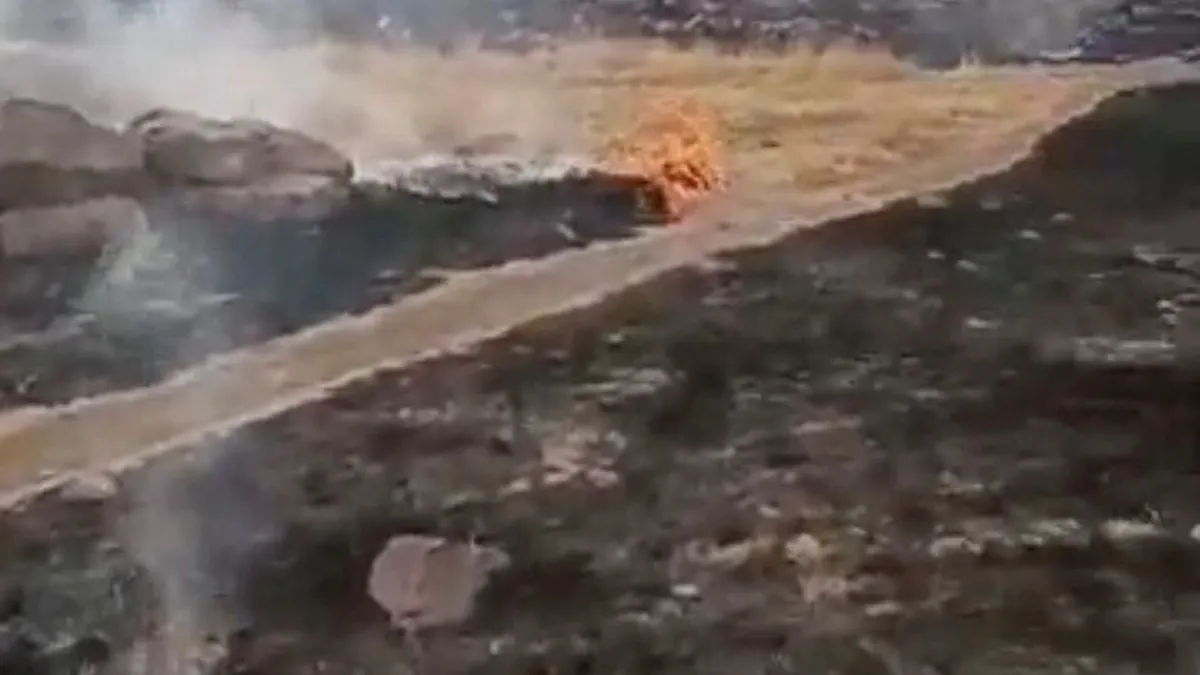
Tensions across Mali have escalated significantly as prominent rebel factions, including groups affiliated with al-Qaeda and various Tuareg separatist elements, have aggressively increased their operations. Recent reports indicate that rebel forces have established checkpoints around the country’s capital, Bamako, and have taken control of the northern town of Tessalit. This proliferation of military presence and seizure of strategic points suggests a deepening instability that challenges the authority of the ruling military government.
These developments are occurring amidst a backdrop of heightened military confrontation. Rebel organizations have issued public calls for the populace to mobilize, advocating for a shift in governance toward religious law and expressing explicit aims to undermine the current military leadership. Furthermore, these militant actions follow a recent wave of attacks that resulted in the death of a high-ranking official from the nation’s defense ministry, signaling a critical moment of internal upheaval.
What This Means:
The control of major population centers and key infrastructure by non-state armed groups signals a potential fragmentation of central governmental authority. The establishment of checkpoints near the capital is particularly concerning, as it suggests that rebel groups are not merely fighting skirmishes, but are attempting to project sustained control over critical economic and political arteries. This situation raises serious questions about the government’s capacity to guarantee security and maintain its operational reach across the country’s diverse regions.
Background / Context:
The conflict remains complex, involving multiple armed actors with diverging goals. The northern regions have long been focal points for separatist movements seeking greater autonomy or outright independence. While the ruling government has significant international support, including from Russian military assets, the level of resistance and the successful seizure of bases create counter-narratives regarding the stability of the security apparatus. Official statements regarding control of specific military installations have been met with conflicting accounts from both the government’s allies and the rebel factions, complicating any clear assessment of the current military reality on the ground.
About the Author