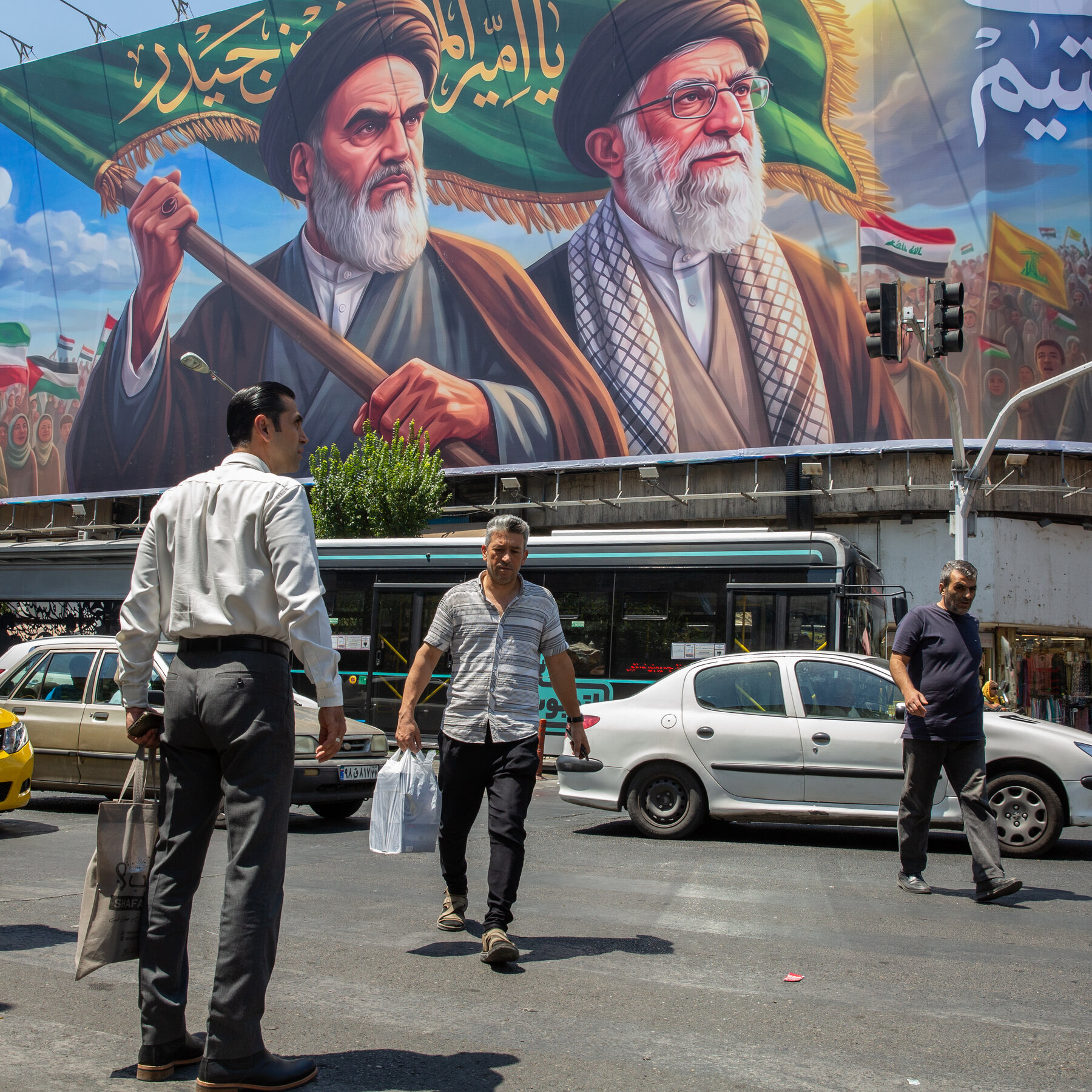
Geopolitical Tensions Ease Following High-Level Discussions
A noticeable cooling has occurred in the heightened regional tensions between Israel and Iran. Reports suggest that hostilities, particularly those emanating from Israel, have been temporarily suspended following discussions involving major global political figures. This sudden lull in confrontational activity signals a potential, albeit fragile, shift in the immediate strategic calculus of the involved nations.
Simultaneously, indications have surfaced that Iran has also agreed to halt its aggressive actions. These parallel announcements of de-escalation suggest that a diplomatic or high-level conversation may have successfully acted as an immediate stabilizing force. However, observers note that this cessation of hostilities is coupled with clear cautionary statements from all parties involved, suggesting a return to normal tensions remains a credible risk.
What This Means: A Shift Toward Measured Dialogue
The primary significance of this development lies in the temporary pivot from direct conflict toward an acknowledgment of diplomatic channels. When key leaders signal a pause in military posturing, it inherently raises the prospects for meaningful engagement. The consensus among international observers is that dialogue—whether focused on immediate security concerns or broader long-term stability—is preferable to open conflict. The commitment to a temporary ceasefire suggests that immediate escalation was viewed as strategically counterproductive by the key players.
This de-escalation pattern underscores the volatility of the region’s security environment, where high-stakes rhetoric can rapidly transition into physical confrontation. The consensus being reached is not one of permanent peace, but rather a mutual agreement to manage immediate flashpoints while further discussions take place regarding foundational political and security disagreements.
Background and Context: The Dynamics of Regional Confrontation
Historically, the relationship between Israel and Iran has been marked by intense friction and proxy confrontations across the Middle East. For years, the situation has been characterized by cyclical escalations, involving actions ranging from indirect military threats to direct confrontation at naval or ground points. These tensions have driven significant regional instability and necessitated constant monitoring from international bodies.
The current announcement of a cessation of aggression, especially when linked to discussions concerning advanced diplomatic tracks, suggests that external mediation or high-level diplomatic interventions have regained temporary leverage. The focus shifts from managing active conflict to solidifying the parameters under which future communication—particularly regarding critical issues such as advanced weapons programs—can take place. The ability of multiple regional actors to voluntarily pause hostilities speaks volumes about the underlying desire, however tenuous, for a stable regional status quo.
About the Author





