Denmark Establishes New Government Amidst Political Complexity and International Tensions
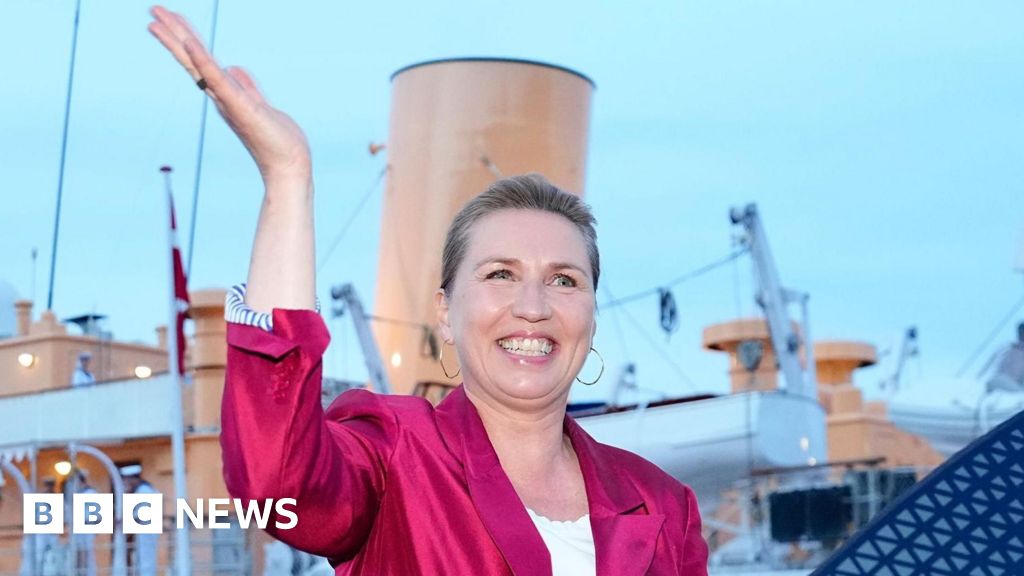
After an extended period of political uncertainty following the general election, the Danish political landscape has stabilized with the formation of a new governing administration. Mette Frederiksen, the leader of the Social Democratic Party, is set to lead a minority government built around a center-left coalition. The agreement, reached after protracted discussions among several political entities, marks a significant shift in Danish governance, as the government will consist of the Social Democrats, the Socialist People’s Party, the Radikale Venstre, and the Moderates.
The formation of this coalition was necessary because no single bloc secured the requisite majority of seats in the national vote, which saw a notable fracturing of the political spectrum. While the Social Democrats emerged as the largest party, their electoral performance represented a decline from previous decades, falling short of the threshold needed to govern without complex cross-party negotiations. The process itself spanned nearly three months, highlighting the deep divisions within the nation’s political structure.
This new political arrangement positions Frederiksen to begin her third term as prime minister. However, the governing mandate arrives at a time when the nation faces a confluence of complex issues. Beyond domestic policy challenges, the administration must also navigate significant international pressure, including overtures regarding the semi-autonomous region of Greenland.
What This Means: Navigating Domestic and Foreign Pressures
The government’s immediate focus will necessarily be twofold: managing internal stability while simultaneously responding to external geopolitical interests. Domestically, the administration must confront public concerns regarding the rising cost of living, the overall economic health, and the state of the national welfare system. Furthermore, key societal debates, such as environmental concerns—including the impact of agriculture on climate change and the presence of residues in drinking water—will remain high on the public agenda.
Internationally, the attention paid to Greenland underscores a need for careful diplomatic maneuvering. The need to address proposals suggesting external nations might take an interest in the region requires the new leadership to project a unified and resolute front. Successfully managing these contrasting pressures—from domestic policy demands to international strategic interest—will define the administration’s initial tenure.
Background and Context: A Nation in Transition
The initial general election confirmed a fragmented political reality, distributing seats across twelve distinct parties. This disunity meant that the formation of a stable governing majority was not straightforward. The political maneuvering that culminated in this coalition structure was fraught with negotiation and required intensive engagement among the key players. The establishment of the new cabinet is scheduled to be formally presented to the head of state, concluding the lengthy period of administrative limbo.
The political mood reflects a voter base deeply concerned with sustainability and public welfare. The parties involved in the new governing pact have indicated that their policy discussions are oriented toward benefiting not only the current populace but also future generations, emphasizing a commitment to social and ecological stewardship alongside traditional economic management.
About the Author