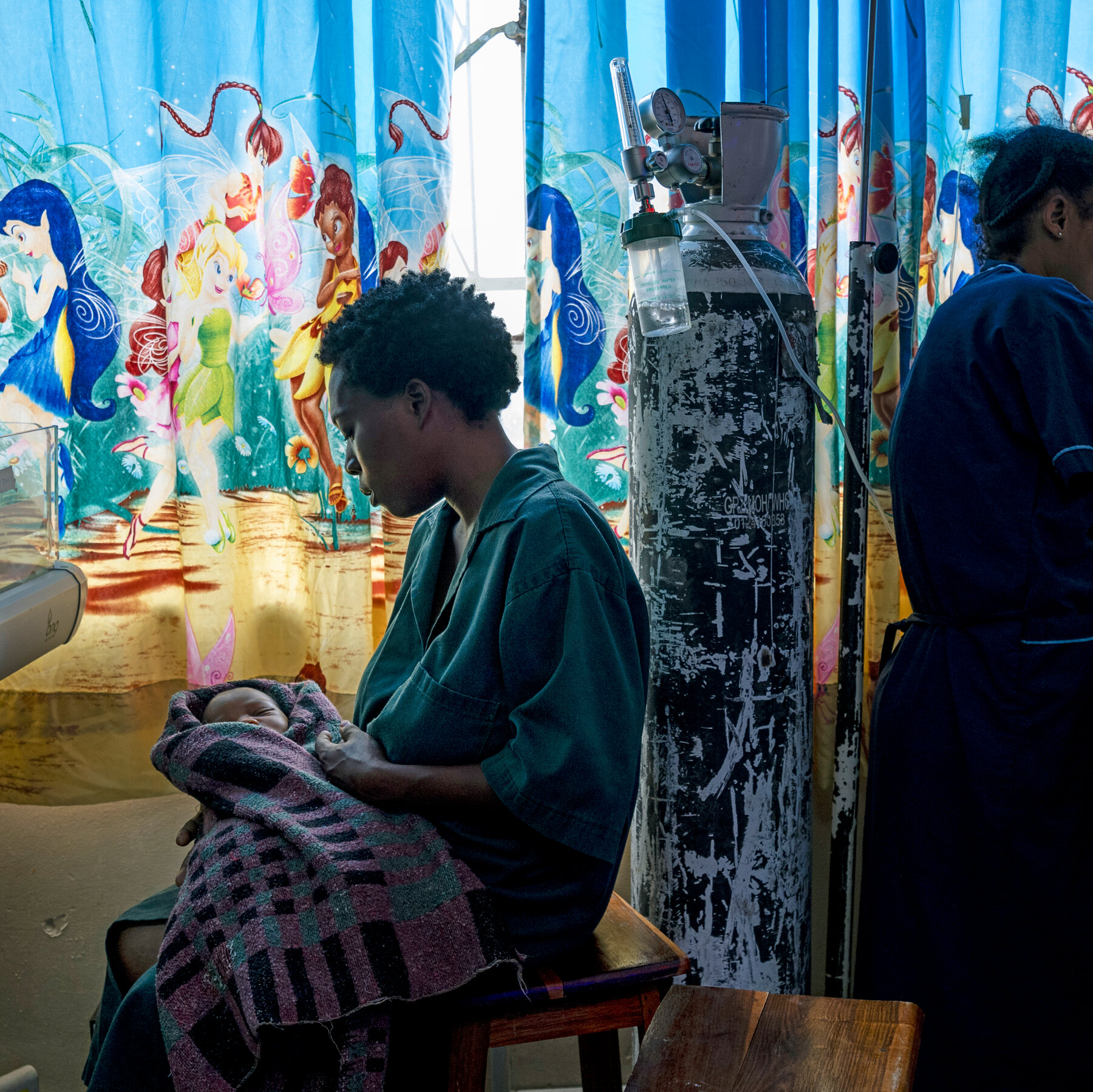
Waning Support Exposes Vulnerabilities in Zambia’s HIV Care System
The comprehensive structure of HIV care and prevention previously established in Zambia, which has been instrumental in saving countless lives through consistent medical intervention, is showing signs of significant strain. Concerns are escalating regarding the stability of services that were once viewed as highly successful and robust. These challenges appear closely linked to adjustments in international assistance funding, suggesting a potential ripple effect on ground-level healthcare delivery.
The situation points to a critical juncture for public health efforts. After years of significant strides—achievements largely attributed to consistent support and funding—the system now faces hurdles in maintaining its momentum. This erosion of stability demands immediate attention from local health authorities and global partners alike to ensure continuity of care for those living with HIV.
Understanding the Implications of Reduced Support
The tapering or reallocation of critical international funding has created immediate pressure points across the continuum of HIV care. This funding historically supported everything from the consistent procurement of antiretroviral drugs to community outreach and preventive measures. As these external pillars weaken, the local infrastructure must bear a heavier load, potentially leading to gaps in treatment access and prevention initiatives.
Experts monitoring the situation emphasize that the reliance on external aid, while vital for scale-up, means that any sudden reduction in that flow necessitates rapid and comprehensive domestic adaptation. The primary concern is ensuring that treatment continuity—the backbone of managing HIV—is not disrupted, which could have severe, life-altering consequences for patients.
The Broader Context of Global Health Funding
The shift in global health financing represents a broader trend impacting numerous developing nations that have built sophisticated public health responses. These programs often require sustained, predictable funding streams to manage chronic conditions like HIV. When financial support becomes erratic or is withdrawn, it doesn’t just mean fewer drugs; it implies a slowdown in training, epidemiological surveillance, and community health worker support.
Historically, external support played a pivotal role in scaling up treatment programs dramatically. However, the realization among global health experts is that sustainable success requires embedding these capabilities within national health budgets and institutionalizing self-sufficiency. The current pressures are, therefore, serving as a harsh reality check on the need for robust, locally funded health systems that can withstand external fiscal fluctuations.
What This Means Moving Forward
For Zambia, the narrative suggests a mandatory pivot toward national ownership and diversification of resources. Maintaining the gains achieved in HIV treatment and prevention requires more than just continued medical supplies; it demands strengthening human capacity, fortifying supply chains against economic shocks, and integrating HIV care seamlessly into primary healthcare services. The focus must shift from merely receiving aid to building autonomous, resilient health architecture.
Ultimately, the situation underscores a universal challenge in global public health: how to transition from a phase of massive donor-supported growth to a phase of durable, self-sustaining local management. Addressing the creeping instability requires integrated policy solutions that reinforce local governance, ensure drug affordability, and mobilize sustainable domestic financing mechanisms to safeguard the remarkable progress made in combating HIV/AIDS.
About the Author