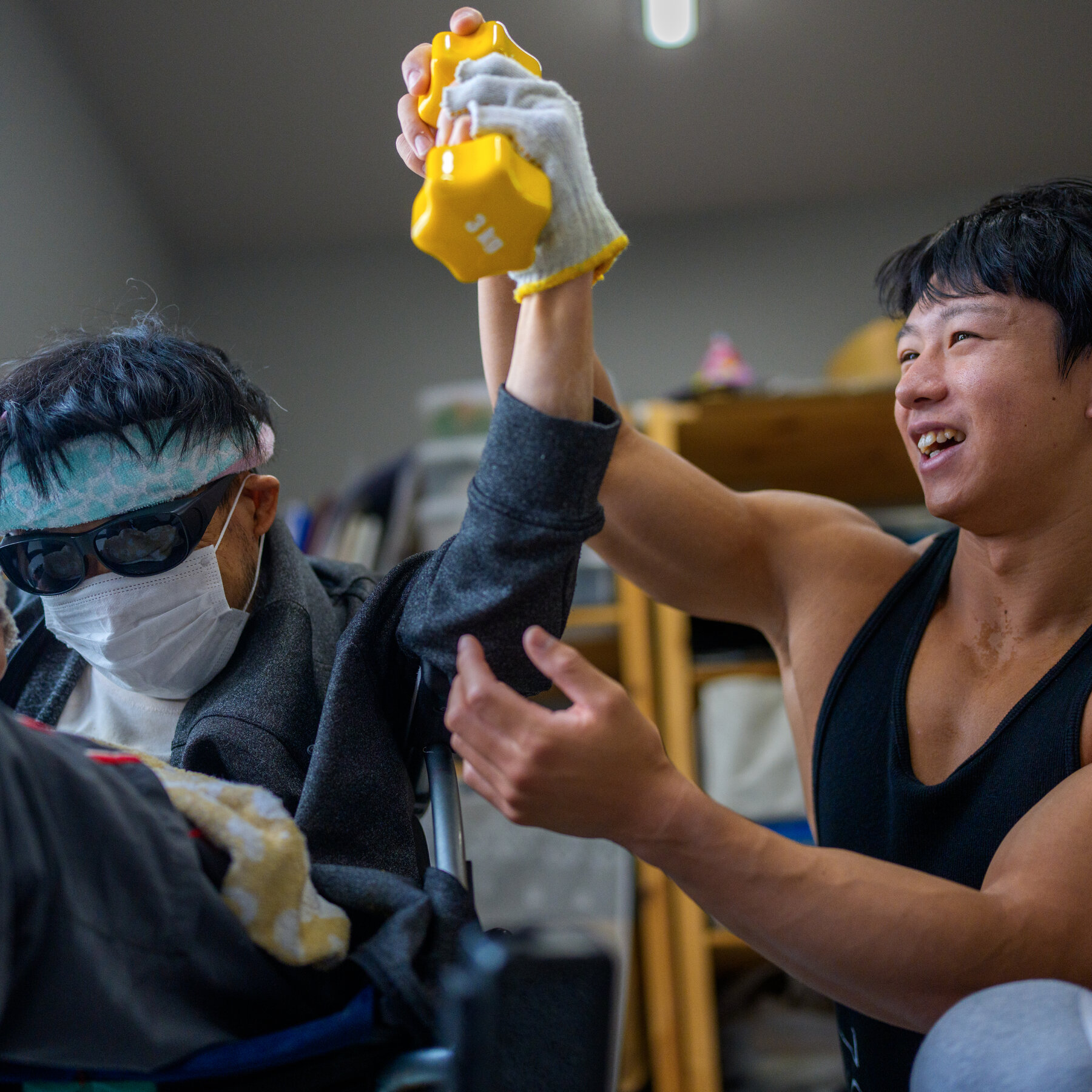
Athletes Enter the Workforce: A Novel Approach to Japan’s Caregiving Crisis
Japan is facing a rapidly evolving demographic challenge, marked by a shrinking working-age population and a growing number of senior citizens requiring intensive care. In a novel and unconventional response to persistent staffing shortages within its nursing homes, the country is beginning to recruit individuals from the world of professional athletics. Rather than drawing solely from traditional caregiving pipelines, facilities are turning to bodies, athletes, and martial arts fighters to augment the support staff.
This integration of high-level physical performance backgrounds into the realm of elder care represents a significant pivot in healthcare staffing models. The involvement of former wrestlers, bodybuilders, and MMA fighters suggests that the immediate need extends beyond simple companionship; there is a requirement for staff who possess significant physical strength, stamina, and the discipline to manage increasingly complex physical care needs.
What This Means: Rethinking Physical Support in Geriatric Care
The incorporation of athletes into geriatric care services signals a necessary reevaluation of what ‘care’ entails. It implies that physical assistance—such as helping residents with mobility, transferring them from bed to chair, or managing rehabilitation exercises—is becoming so challenging due to workforce scarcity that specialized physical profiles are required. These athletes are not merely filling seats; they are providing a specific type of physical competency that differs substantially from the background of typical care assistants.
This trend suggests a professionalization of physical support within the care sector. While emotional support remains paramount, the operational challenge appears to be structural: how to safely and effectively manage a population with high dependency ratios using a workforce that is either insufficient or lacking specific physical proficiencies. The expertise drawn from combat sports and bodybuilding likely contributes structured methods for physical conditioning and safe lifting techniques, which are crucial in high-demand environments.
Background and Context: Demographic Pressure Meets Workforce Gaps
Japan’s demographic curve presents one of the world’s most pronounced aging populations. The ratio of working people supporting retirees is shrinking, placing immense strain on social infrastructure, particularly the residential and long-term care facilities. This strain has historically led to understaffing and concerns regarding the quality and consistency of care provided.
Historically, caregiving in Japan has relied on a dedicated network of family members and specialized, trained caregivers. However, the intensity of the shortage has prompted innovative, sometimes surprising, labor market solutions. The decision to recruit from physical performance industries highlights that the existing human capital pool, while skilled in caregiving aspects, may not be adequately equipped for the sheer physical labor demanded by the current volume of care recipients. Therefore, the athletic recruitment serves as a pragmatic, albeit unconventional, patch for a deeply structural socio-economic issue.
This emerging model forces a broader conversation about the valuation of diverse skills. It suggests that in the face of severe demographic pressures, the boundaries between traditionally separate industries—like professional sports and healthcare—are becoming fluid, as survival and maintaining a high standard of living necessitate creative adaptation in the labor force.
About the Author