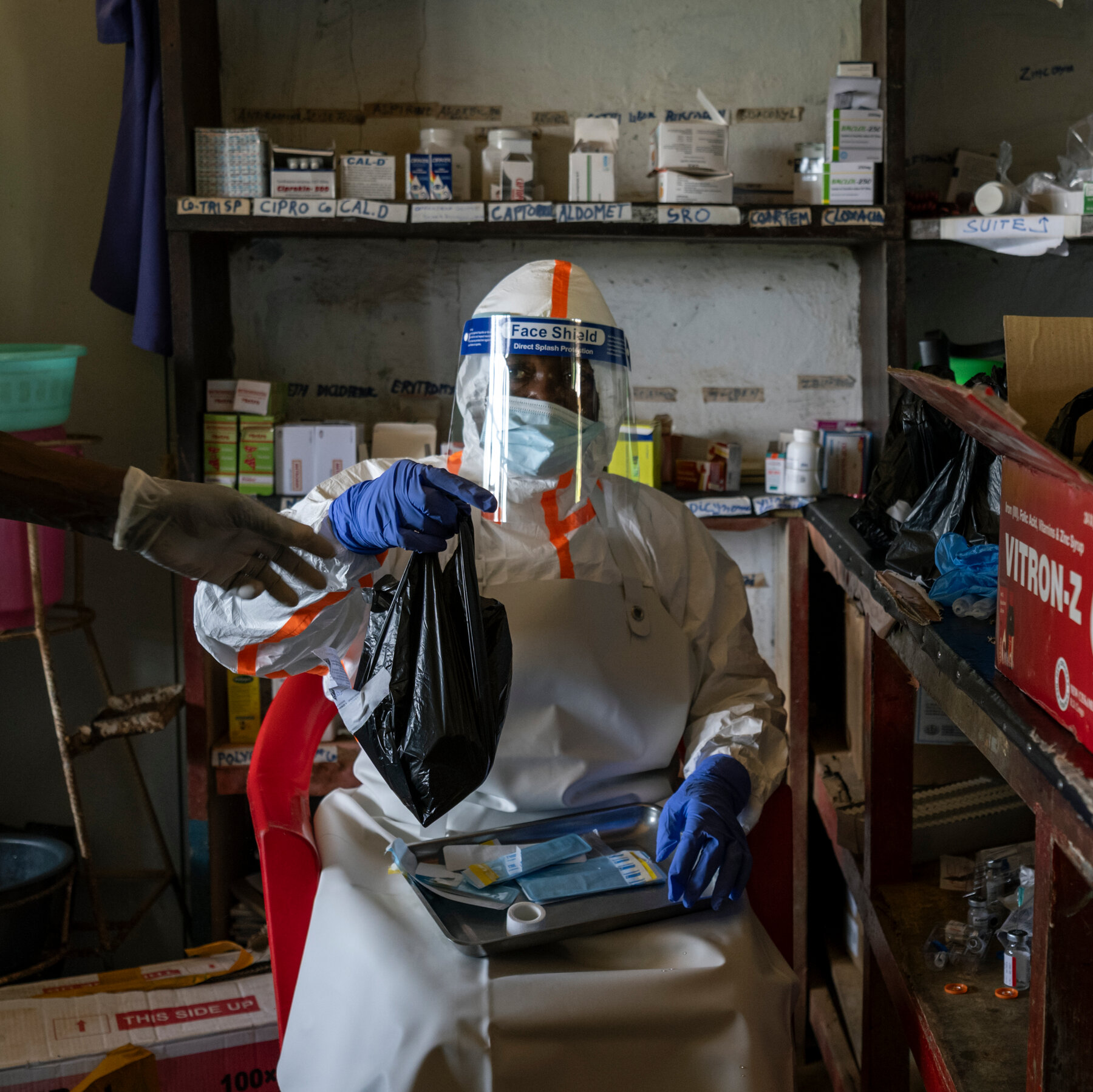
Rapid Scientific Mobilization in Response to Ebola Spread
As the geographical scope of the Ebola virus outbreak continues to expand, global health and scientific communities have significantly ramped up efforts to find effective treatments. Researchers are moving beyond preliminary research into active testing phases for several therapeutic agents. This concerted international effort involves evaluating compounds that have demonstrated potential efficacy against the hemorrhagic fever virus in early laboratory and animal studies.
The focus has shifted toward deploying drugs in controlled clinical environments to determine true safety profiles and therapeutic windows. These investigations are designed not only to confirm initial positive findings but also to understand how different biological mechanisms within the human body interact with the attacking virus, leading to a more robust understanding of the infection’s lifecycle.
The Critical Need for Novel Treatments
The urgency of the situation necessitates a multi-pronged approach to medical countermeasures. While vaccines remain a vital component of long-term prevention, the immediate challenge during a widespread outbreak involves managing critically ill patients. Consequently, multiple drug candidates are entering the testing pipeline, each targeting different aspects of the disease pathology—from blocking viral entry to managing the resulting inflammatory cascade within the patient.
These ongoing trials represent a massive convergence of virology, immunology, and pharmaceutical science. The speed at which these trials are structured is unprecedented, reflecting the gravity of the public health emergency and the imperative to stabilize patient care as the outbreak expands.
Understanding the Therapeutic Landscape
The development of treatments is not reliant on a single breakthrough. Instead, scientists are exploring diverse pharmacological avenues. Some drugs aim to directly inhibit the virus’s ability to replicate within host cells, while others are designed to bolster the patient’s immune response. The evaluation process is rigorous, requiring phased testing that carefully monitors adverse effects alongside measures of viral load reduction in participants.
The commitment to rigorous science, despite the intense pressure, is paramount. Each treatment under investigation is subjected to intense scrutiny to ensure that any eventual recommendation for clinical use is backed by verifiable, reproducible evidence of benefit and safety.
Broader Public Health Implications
The acceleration of these drug trials signals a potential turning point in outbreak management. Successfully identifying and deploying effective therapeutics can drastically reduce the case fatality rate, thereby controlling transmission chains and mitigating the overall public health impact. The ultimate goal remains the swift development of protocols that can be scaled globally to protect vulnerable populations facing potential future outbreaks.
Historical Context and Scientific Resilience
Historically, outbreaks of highly virulent pathogens have spurred tremendous scientific activity. However, the current mobilization is notable for its breadth and speed. The scientific community has adapted operational models, allowing for the rapid aggregation of expertise and resources across different international regulatory bodies and research institutions. This organized effort demonstrates the resilience of modern biomedical science when confronted with a major infectious disease threat.
About the Author