Diplomatic Efforts Lead to Extended Pause Between Israel and Lebanon Amid Ongoing Tensions
In a significant development aimed at de-escalation, diplomatic talks have resulted in an extension of the current ceasefire agreement between Israel and Lebanon. This extension, which provides a period of stability, follows intense negotiations conducted in Washington D.C. Officials stated that the ultimate goal of these sustained discussions is to move beyond temporary truces toward establishing a genuine, lasting peace between the two nations.
The framework for this proposed lasting peace centers on several core principles, including the mutual acknowledgment of each country’s independent sovereignty and territorial boundaries. Furthermore, significant diplomatic energy is being focused on creating a durable and reliable security architecture along the shared border. While the immediate focus is on maintaining the current ceasefire, the underlying objectives suggest a comprehensive, long-term political roadmap is being drafted.
What This Means: A Path Toward Structured Dialogue
The agreement signals a commitment, however fragile, to resuming high-level dialogue on multiple fronts. Beyond the political discussions, concrete military engagement is slated to recommence. Security delegations from both nations are scheduled to meet at the Pentagon in May, suggesting a parallel effort to stabilize the physical security dimension. Following this, the government plans to resume the broader political negotiations in June. This two-pronged approach—one focused on immediate security talks and the other on high-level political frameworks—indicates a structured, multi-phased strategy to manage the complex relationship.
Background and Context: Managing the Volatility
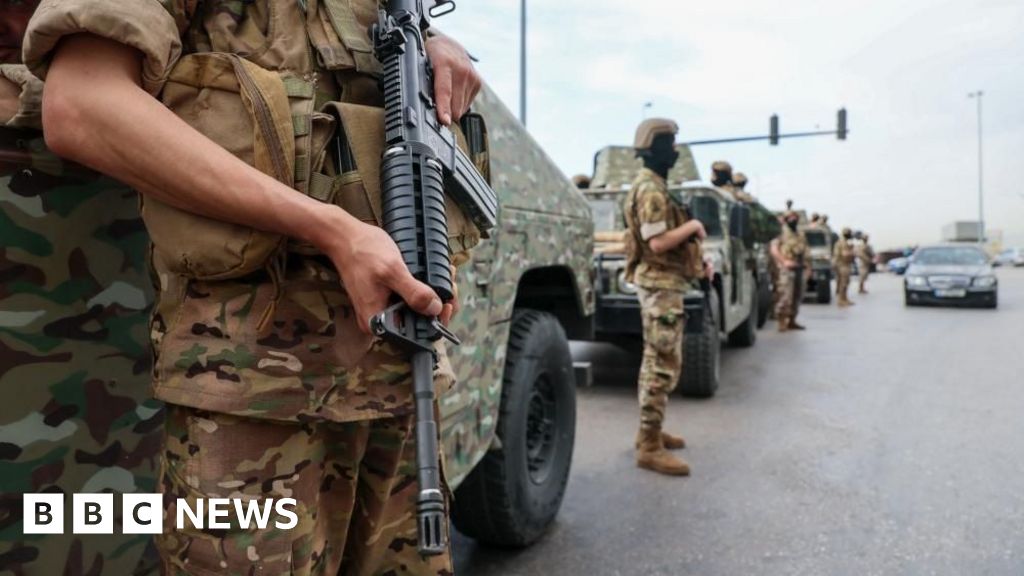
The need for this renewed diplomatic intervention is underscored by the volatility characterizing the region. Despite earlier truces, sporadic military exchanges have persisted. Reports indicated recent flare-ups, with domestic sources detailing instances of intense Israeli aerial activity impacting Lebanese civilian populations. These ongoing incidents highlight the fragility of the current diplomatic status quo. Consequently, the international mediation efforts are designed not just to halt fighting, but to build comprehensive mechanisms—both political and military—that can withstand periods of high regional tension, guiding the two parties toward a more stable coexistence.
About the Author