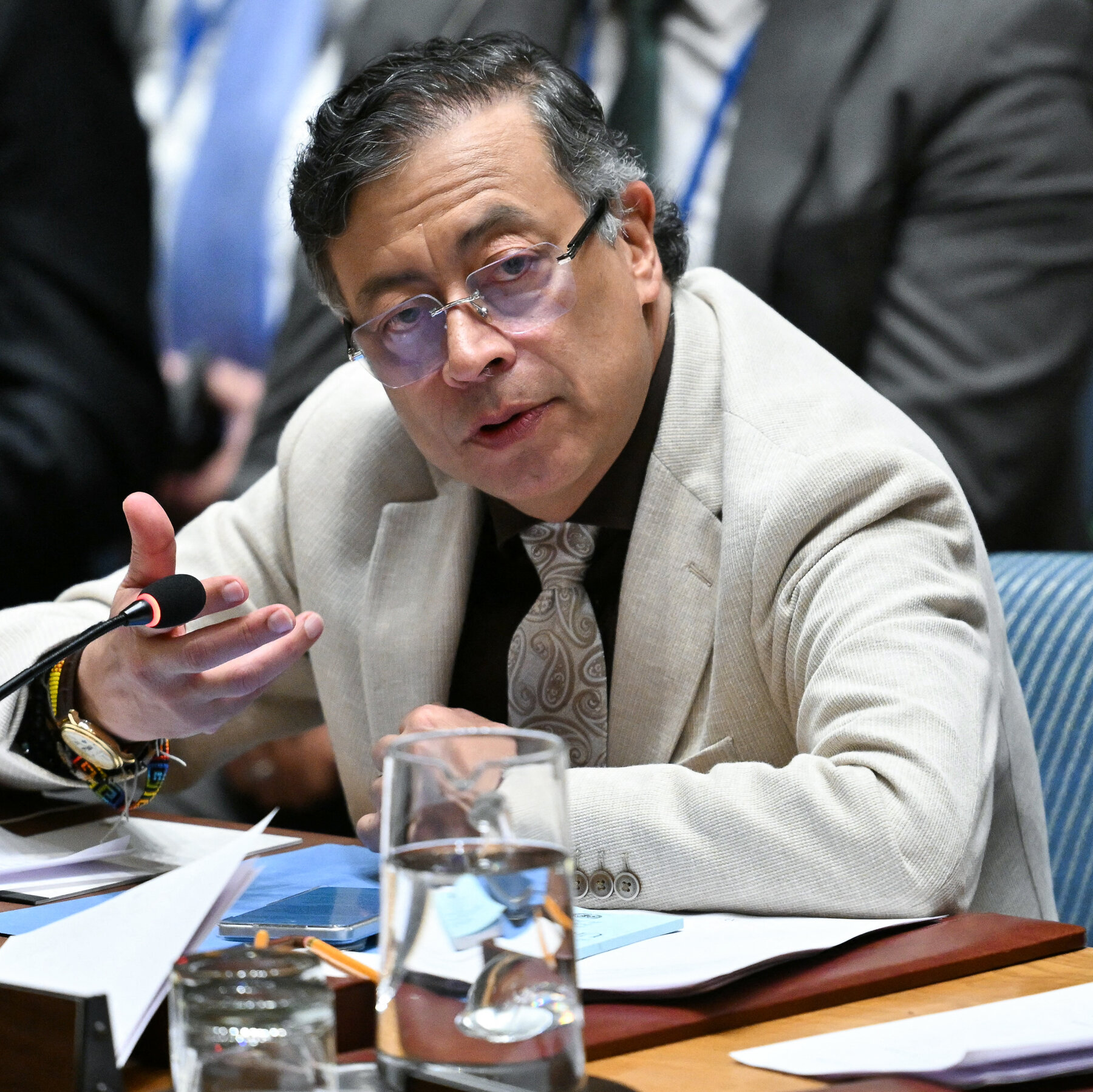
Recent developments underscore a noticeable level of diplomatic scrutiny involving Colombian President Gustavo Petro. Reports indicate that U.S. government officials advised Colombia to reconsider a planned meeting between the President and a local New York figure, casting a shadow over what was anticipated to be a high-level engagement.
The advisory suggests that the U.S. government remains actively engaged in monitoring high-profile political interactions involving foreign leaders. The context surrounding these warnings points to underlying diplomatic sensitivities, which appear to supersede scheduled bilateral meetings when certain political alignments or public statements are involved.
This pattern of intervention raises questions about the scope of U.S. diplomatic advisory roles concerning the internal affairs or scheduling of foreign heads of state.
The history of interactions between the two nations shows moments of friction. Specifically, previous actions have highlighted significant consequences for Colombian officials engaging in certain forms of public political advocacy within the United States. For example, at one point, the U.S. State Department took action regarding the President’s travel documentation after his attendance at a public gathering in Manhattan that held a specific political focus.
This past incident serves as a notable reminder of the fragility of diplomatic access. When a foreign leader’s participation in certain public demonstrations draws attention, it can lead to tangible repercussions, such as restrictions on official travel credentials. These measures are powerful signals regarding acceptable political messaging for visiting dignitaries.
The cumulative effect of these events is that future high-level diplomatic visits are navigating an increasingly charged atmosphere. Political actions, even those taken at the level of public participation rather than state negotiation rooms, are being scrutinized through a wider lens. This heightened scrutiny means that political rhetoric, particularly concerning international conflicts, can directly impact the practical ability of a foreign leader to conduct business in the United States.
The significance of these advisory actions cannot be overstated. They suggest that the calculus for official governmental engagement involves more than just economic or trade interests; it incorporates significant dimensions of geopolitical alignment and public political visibility. Stakeholders on both sides of the Pacific must manage their public engagements with extreme care to maintain unimpeded diplomatic pathways.
About the Author