The relationship between Russia and the West remains a deeply fractured and complex issue, presenting a spectrum of sentiment both within the Russian establishment and among its populace. While official state rhetoric frequently emphasizes deep antagonism with Western nations, suggesting a united front against perceived Western influence, a contrasting current of thought suggests a pragmatic desire to re-establish or deepen connections with Western economies and individuals.
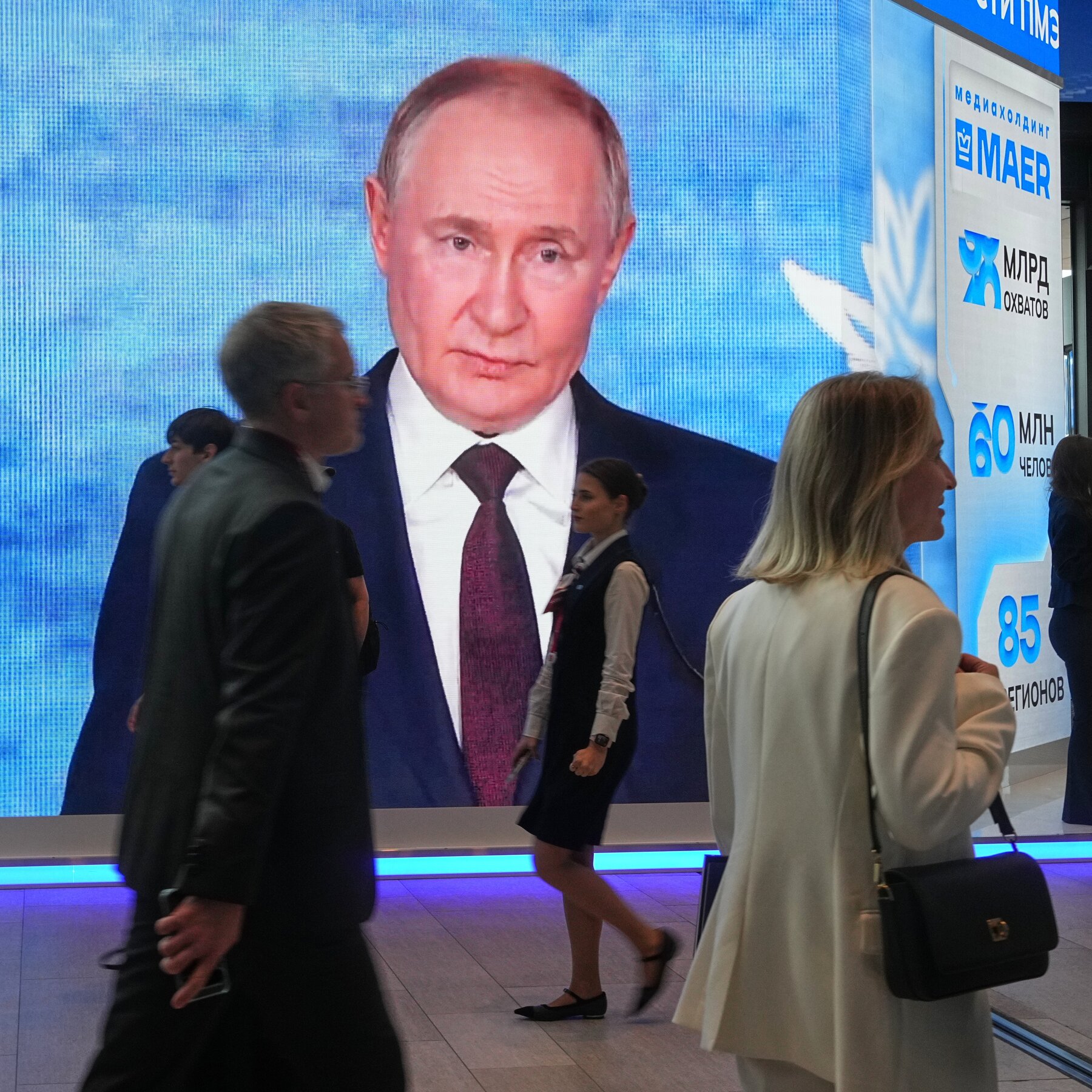
This internal tension is vividly illustrated by observing high-level gatherings, such as major economic conferences attended by Russian figures. These forums become proving grounds where conflicting geopolitical impulses play out. On one side, deeply ingrained suspicion of Western political motives and economic structures is evident; on the other, there are visible signs of an appetite for Western expertise, investment, and intellectual alignment, suggesting that the narrative of outright, universal rejection may be overly simplistic.
What This Means for Future Relations
The mixed signals emerging from high-level Russian circles suggest that the geopolitical relationship with the West will not be defined by a single, monolithic stance. Instead, it points toward a nuanced calculation based on immediate economic necessity and elite self-interest. The welcoming gestures toward specific Western personalities, regardless of the broader diplomatic tone, indicate that certain individuals and sectors retain value for Russian elites. This duality suggests that while the state apparatus may push a confrontational narrative for domestic or geopolitical purposes, the economic and personal desires of key actors point toward a more flexible, transaction-based engagement with the West.
The Spectrum of Opinion: A Clash of Ideologies
The disparity in sentiment is visible when examining the welcoming reception afforded to certain Western commentators. The endorsement of figures known for highly revisionist or anti-establishment viewpoints highlights a segment of Russian society that is drawn to narratives that challenge mainstream Western consensus. This reception suggests a segment that is ideologically attracted to Western voices that resonate with anti-establishment sentiments, rather than solely to the established diplomatic consensus. These endorsements can operate independently of, and sometimes even undermine, the formal state posture.
Background Context: Economic vs. Ideological Alignment
Historically, Russia’s interaction with the West has oscillated between periods of deep integration and abrupt detachment. Economic stability has often dictated the rhythm of engagement. When Western markets were open and lucrative, ties were deep. Periods of heightened political friction, however, have seen the state consolidate power by adopting a strongly oppositional public narrative. The current scenario appears to be an attempt to manage this contradiction: maintaining the appearance of firm defiance externally while cultivating specific, beneficial, and often unconventional connections internally through figures who offer ideological resonance or specialized, non-sanctioned cooperation.
About the Author