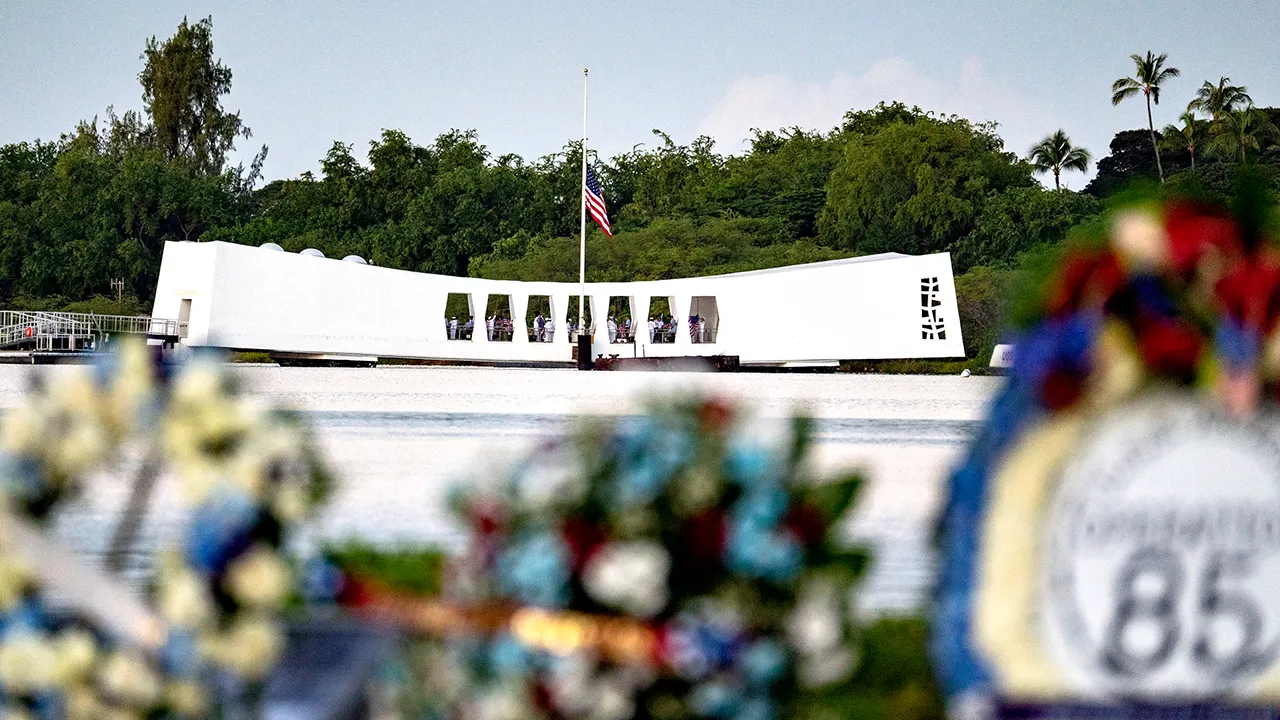
Decades after the devastating events of the 1941 attack on Pearl Harbor, advanced forensic science has brought closure to one specific story of loss. The remains of a young sailor, identified through sophisticated DNA analysis, are finally being returned home for a fitting burial. The individual, who was killed while serving aboard the USS West Virginia during the surprise assault, will receive full military honors, marking the end of an eighty-plus-year wait for recognition and proper interment.
This conclusive identification was made possible by modern genetic testing that successfully matched the remains to living relatives. The service member was reportedly a young man of 17 years old at the time of his death. Official accounts note that he was among the crew members lost when the USS West Virginia sustained damage during the Japanese aerial assault on December 7, 1941. His sacrifice during the active engagement has been recognized by various military commendations throughout his service.
The planned repatriation includes interring him alongside his immediate family. The recognition of his service is underscored by the many honors he reportedly earned while in the Navy, reflecting the depth of his contribution during a critical period of conflict for the nation. This successful identification effort represents a major achievement in military history and forensic anthropology, finally connecting human remains to their descendants after vast spans of time.
Significance of the Identification
The successful identification of soldiers from historical battlefields like Pearl Harbor through DNA testing holds profound significance. It allows families who endured decades of uncertainty to confirm the resting place of their loved ones. These investigations move beyond mere recovery; they provide the critical, undeniable proof necessary for proper military rites, allowing the community to acknowledge the full extent of the sacrifice made by service members who perished during wartime.
The Context of World War II Memory
The attack on Pearl Harbor remains a defining, tragic moment in American military history. The loss of life that day was catastrophic, and the recovery and identification of remains from such large-scale military disasters is an immense undertaking. The use of contemporary DNA sequencing has become revolutionary in these contexts, offering a pathway to resolution where traditional methods of identification failed. This case highlights the ongoing, persistent effort by military agencies and forensic experts to honor the memory of every individual who served and fell in service to their nation.
About the Author