Aid Worker Misconduct Exposed in Chad: Internal Review Details Exploitation of Displaced Populations
An investigation conducted by the humanitarian organization Doctors Without Borders has uncovered deeply troubling instances of exploitation involving both local and international staff operating in Chad. The internal findings revealed that vulnerable refugee populations were subjected to various forms of abuse and exploitation by aid personnel. The misconduct ranged significantly, with allegations detailing situations where necessities, including food aid and employment opportunities, were allegedly bartered for sexual favors. The scope of the problem appears extensive, suggesting systemic failures within the aid operations.
The report confirmed dozens of allegations of improper conduct. While the organization publicly addressed the 59 specific claims documented, it stressed that this number likely underestimates the total impact, given the reluctance of survivors to speak out. In response to the findings, the group took disciplinary action, leading to the dismissal and barring from future work of several staff members from both local and foreign backgrounds. This decisive action followed internal scrutiny initiated after broader reporting highlighted the pervasive nature of the abuses in the region.
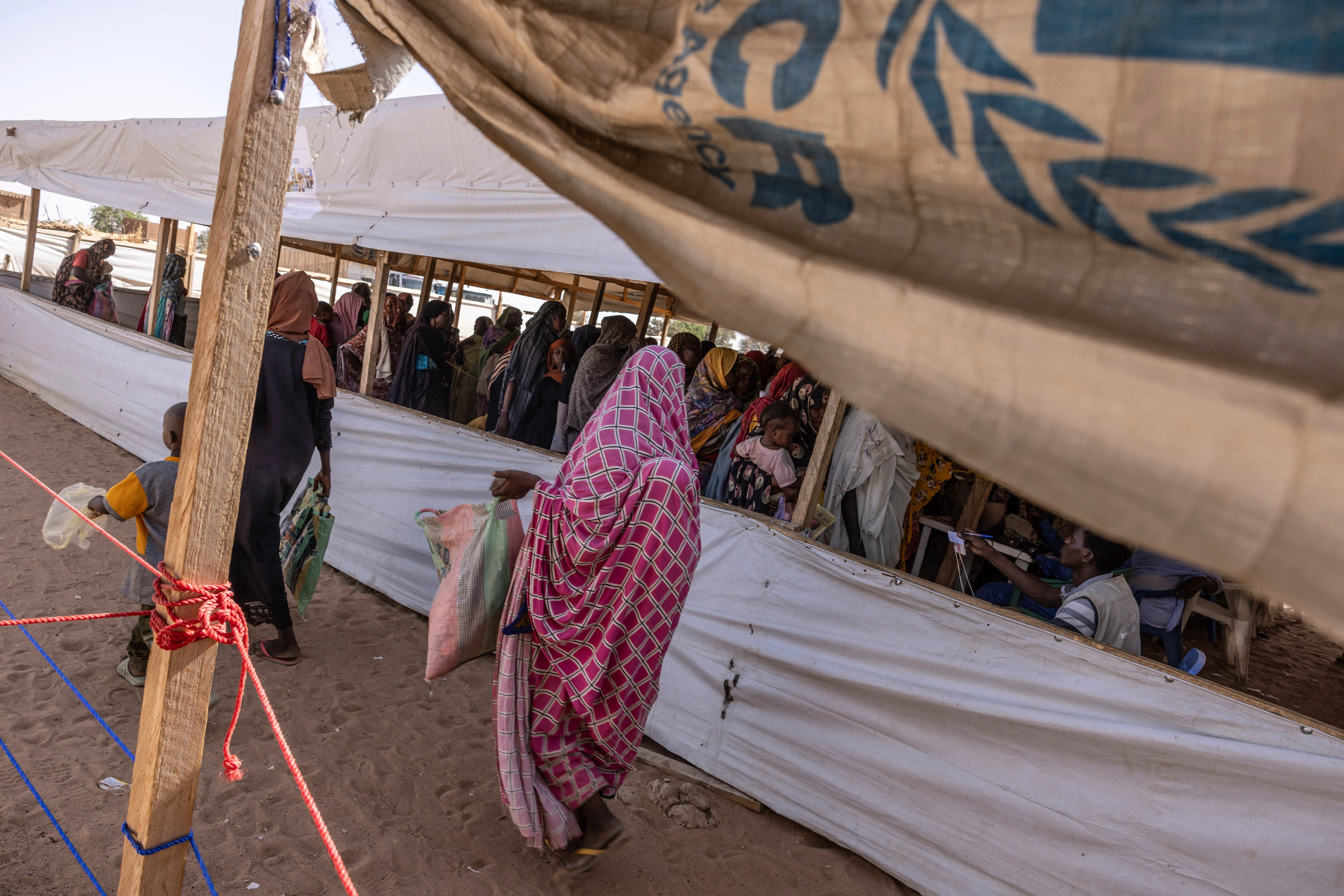
The context for this deeply troubling report involves hundreds of thousands of Sudanese individuals who have sought refuge in eastern Chad following a devastating civil conflict. Amid this large-scale displacement crisis, Doctors Without Borders remains one of the major bodies providing aid in the affected refugee camps. The organization acknowledged that despite implementing various measures—such as specialized staff training—aimed at preventing abuse, these efforts ultimately proved insufficient to stem the pattern of misconduct.
What This Means: Accountability and Systemic Failure
The disclosures signal a profound failure in oversight and operational safeguards within the humanitarian sector. The findings force a critical reckoning regarding the implementation of aid in conflict zones. When the very entities meant to provide safety and support become vectors for abuse, it erodes trust and risks placing the most vulnerable populations in even greater peril. The emphasis now shifts to ensuring that accountability mechanisms are not just punitive, but fundamentally structural, redesigning aid distribution to eliminate avenues for exploitation.
Background / Context: The Crisis in Eastern Chad
The dire circumstances in eastern Chad are compounded by a protracted civil war, which has forced massive population movements. Official statements indicate that many people, particularly Sudanese women, have been fleeing violence and displacement. Within this setting of extreme need, the provision of aid becomes a high-stakes environment. The details emerged of specific incidents, including instances where groups of young refugee women were allegedly misled under the guise of labor or distribution tasks, only to be subjected to abuse elsewhere. These reports underscore the complexity of maintaining neutrality and strict ethical boundaries when operating in areas ravaged by conflict and characterized by desperate human need.
و…
About the Author