Escalating Conflict in Southern Lebanon Amid Civilian Casualties and Evacuation Orders
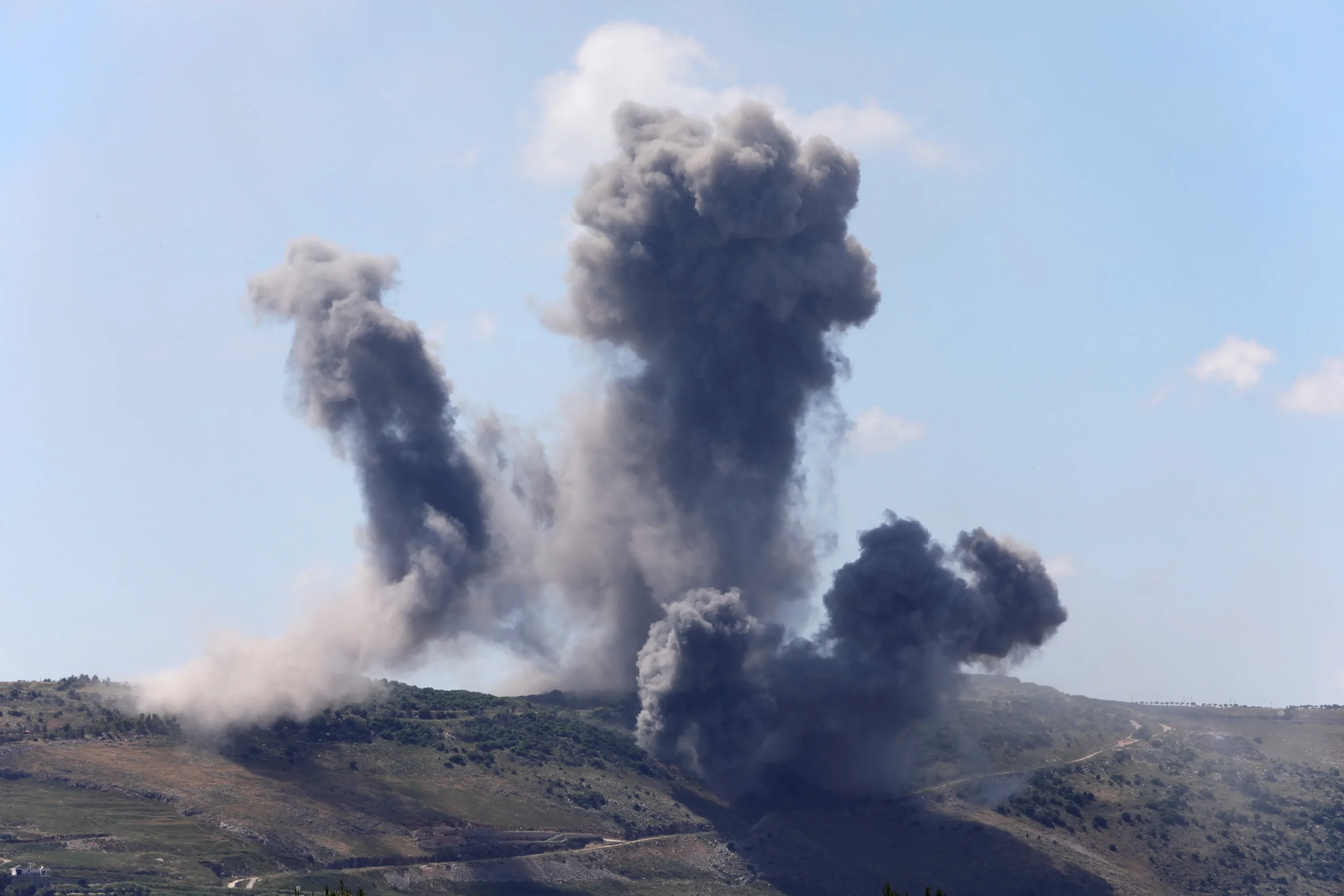
Tensions have reached a critical point in southern Lebanon following a series of Israeli military actions that have resulted in multiple civilian fatalities. Reports indicate that recent Israeli strikes have claimed the lives of at least six individuals across various localities in the region. These incidents, occurring alongside the issuance of numerous evacuation directives by Israeli forces, underscore a rapidly deteriorating and expanding conflict zone.
The sequence of strikes detailed across different towns highlights the pervasive nature of the military activity. Fatalities have been reported involving individuals traversing motorcycles, while other attacks have struck residential areas. Furthermore, emergency services personnel have also reportedly been casualties, including a medic killed during the investigation of a previous aerial strike site. These events point to a widespread pattern of intense bombardment affecting populated communities.
What This Means: Implications of Military Escalation
The combination of aggressive military action and mandated evacuations suggests a significant operational shift and expansion of the conflict’s scope within Southern Lebanon. The targeting pattern, according to on-site observers, appears to extend beyond immediate front-line areas, affecting established towns and residential zones. This pattern raises serious concerns regarding proportionality and civilian safety, as authorities repeatedly issue warnings while strikes continue in various locations.
Moreover, the reports indicate a continuation of hostilities despite previous truces, with exchanges of fire reported between regional armed factions. The cumulative impact of the sustained bombardment is staggering, with official tallies detailing thousands of casualties—both killed and wounded—since the initial major escalation in early March.
Background and Context of the Tensions
The current instability unfolds against a backdrop of highly charged regional diplomacy, including ongoing high-level talks involving major world powers. Despite any existing agreements aimed at de-escalation, the conflict between Israel and Hezbollah has persisted, characterized by intermittent but deadly exchanges of fire. Hezbollah has reportedly conducted counter-strikes targeting Israeli infrastructure and military installations at various points throughout the day.
The ongoing military confrontation is marked by intense cross-border activity. While reports confirm devastating strikes in residential areas, they also document localized engagements where various armed groups are actively engaging military objectives. This cyclical pattern of high-intensity conflict, even while evacuation orders are being issued, paints a picture of a volatile situation with little immediate prospect for calm.
About the Author