Escalating Conflict: Israel Increases Military Pressure on Southern Lebanon
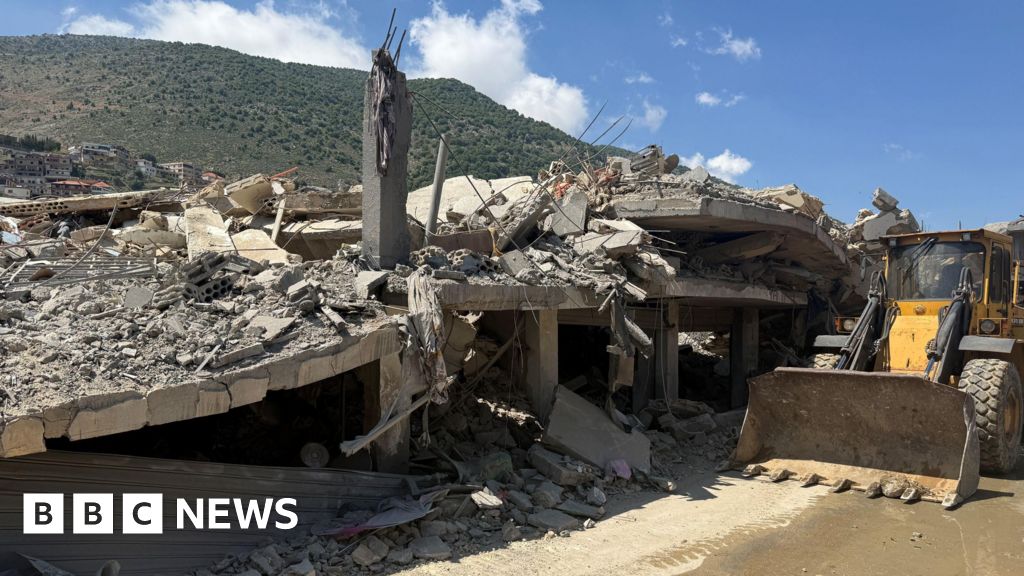
Tensions have surged across southern and eastern Lebanon following a declared escalation in Israeli military action. The intensity of the strikes reportedly increased significantly during a recent period of bombardment, hitting numerous targets across various regions. Local health authorities confirmed casualties in one specific village in the Bekaa Valley, indicating the human cost associated with the renewed military operations. These actions follow public declarations from senior Israeli leadership aiming to ramp up the scope and force of targeting against militant groups operating in the area.
Israeli officials have asserted that the military is proceeding with a deepening of its operational presence, concentrating efforts on seizing key geographical areas. This heightened activity is framed by the Israeli government as a necessary measure to solidify defensive positions and safeguard Israeli communities from escalating threats. The escalating cycle of conflict has been marked by persistent violations of any established ceasefires, creating significant instability and undermining ongoing diplomatic efforts aimed at de-escalation.
What This Means: Regional Instability Deepens
The reported escalation signals a dangerous tightening of the military noose in Lebanon. By significantly increasing the frequency and scope of air and artillery strikes, the actions heighten the immediate danger for civilian populations in the region. From a broader strategic viewpoint, this move risks undermining the complex diplomatic frameworks involving multiple international powers attempting to broker a ceasefire. The cycle of reciprocal fire—with rockets and drones launched by armed groups against Israeli territory, met by sustained Israeli bombardment—suggests that the military maneuvering is currently outweighing diplomatic efforts to establish lasting calm.
Background and Context of the Confrontation
The current volatile atmosphere is rooted in ongoing confrontations between Israeli forces and Hezbollah. Official statements indicate that the scale of the recent Israeli military operation was directly tied to Hezbollah’s reported offensive capabilities, including the utilization of advanced drones. The deployment of a more forceful military posture has caused noticeable public apprehension in established centers of resistance activity. Furthermore, the sustained exchange of fire involves sophisticated weaponry, suggesting a commitment from all parties involved to challenging the status quo through military means rather than diplomatic resolution. The overall pattern of conflict suggests a major breakdown in adherence to any truce terms, leaving the region highly precarious.
About the Author