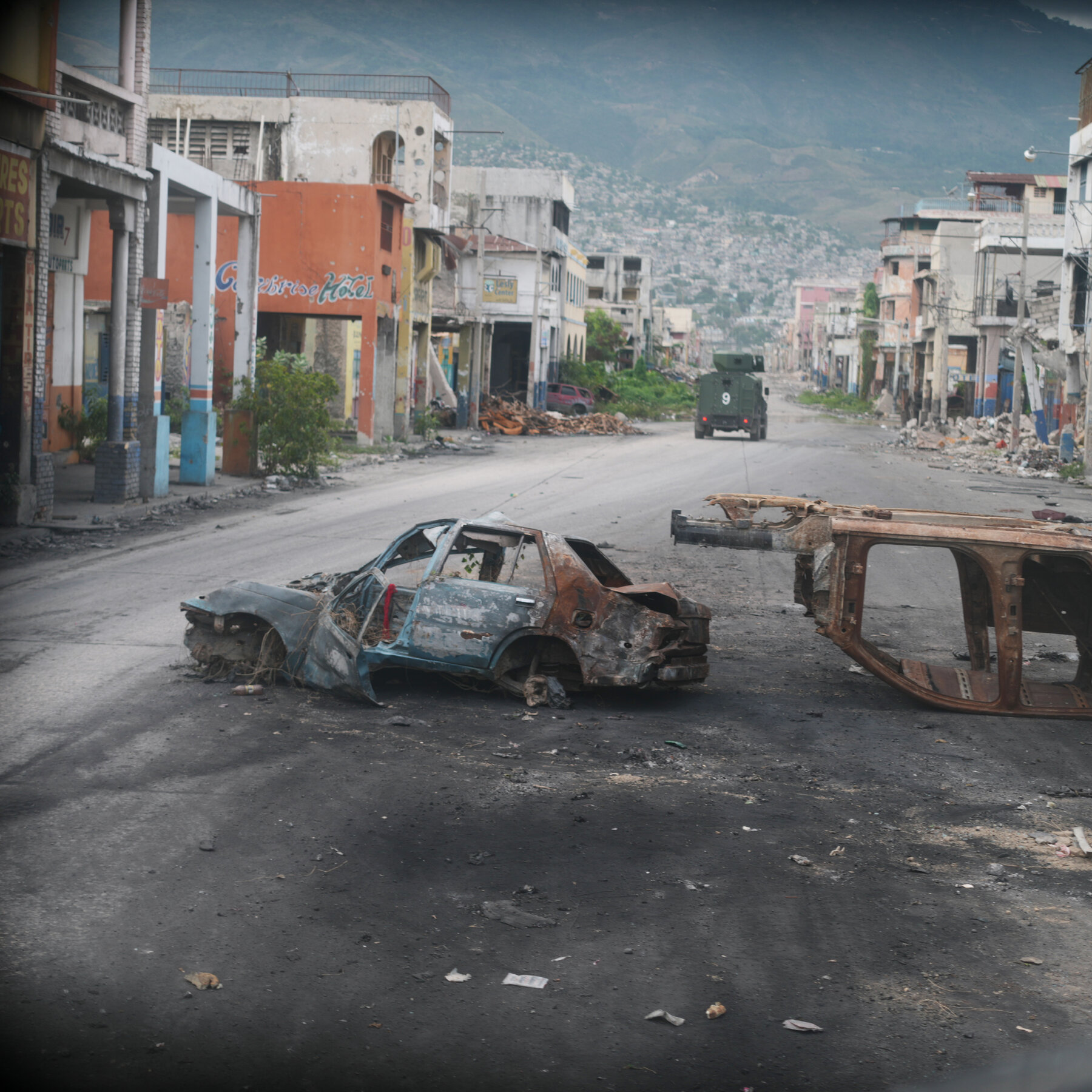
Escalating Instability: High-Profile Abduction Highlights Security Crisis in Haiti
The recent abduction of a prominent Haitian security official, who had just taken on a senior role advising the defense minister, signals a deepening and alarming deterioration of the security environment across the nation. This incident is not viewed in isolation; rather, it represents the latest, and increasingly brazen, manifestation of the widespread violence currently paralyzing daily life and governance. Such high-profile targets suggest that the instability has penetrated deep into the corridors of power, making no one immune from the threat.
The abduction itself underscores a critical breakdown in civil order. When individuals central to national security strategy can be targeted so publicly, it suggests a vacuum of authority or a severe fracturing of the security apparatus. The pattern of violence observed across various sectors indicates that criminal elements and armed groups are operating with a significant degree of impunity, complicating efforts by the government to restore stability and secure essential services for the citizenry.
The Broader Implications for Governance
The significance of this event extends far beyond the immediate safety of the individual. It throws the country’s already fragile governance structures into sharp relief. The targeting of key personnel within the defense and security ministries suggests a concerted effort to destabilize governance at the highest levels. For an economy struggling with massive disruption and international aid efforts being hampered by insecurity, the removal or incapacitation of leadership figures poses an existential threat to recovery plans.
Moreover, this pattern of targeted violence erodes public trust in state institutions. Citizens become increasingly apprehensive about the protection offered by formal security forces, leading to a potential resurgence of localized, self-organized security measures, which can breed further conflict and disorder.
Understanding the Context of Deterioration
The current security predicament in Haiti can be viewed through a lens of compounding systemic failures. Decades of institutional underinvestment, coupled with recent political turmoil, have created an environment susceptible to exploitation by powerful non-state armed groups. These groups have successfully carved out spheres of influence, effectively challenging the state’s monopoly on force. According to reporting, the scope of the unrest is geographically widespread, impacting major urban centers and surrounding rural areas alike.
The difficulty in implementing comprehensive security reforms is compounded by deep societal divisions. Multiple actors—including rival political factions, criminal syndicates, and localized militias—are vying for control over territory, resources, and political narratives. This complex web of competing interests makes any unified, national-level security strategy immensely difficult to coordinate and enforce.
Pathways Toward Stabilization
Addressing this crisis requires a multi-faceted approach that goes well beyond simply deploying more security personnel. Experts suggest that lasting stabilization must incorporate significant judicial and governance reforms alongside military reinforcement. Rebuilding the rule of law, establishing accountability for past abuses, and fostering local economic resilience are viewed as equally, if not more, crucial components. Until the root causes of the insecurity—including corruption, inadequate infrastructure, and socio-economic disparity—are addressed comprehensively, the likelihood of similar, devastating security incidents will persist.
About the Author