The Precipice of Conflict: Analyzing Escalating Tensions Between the U.S. and Iran
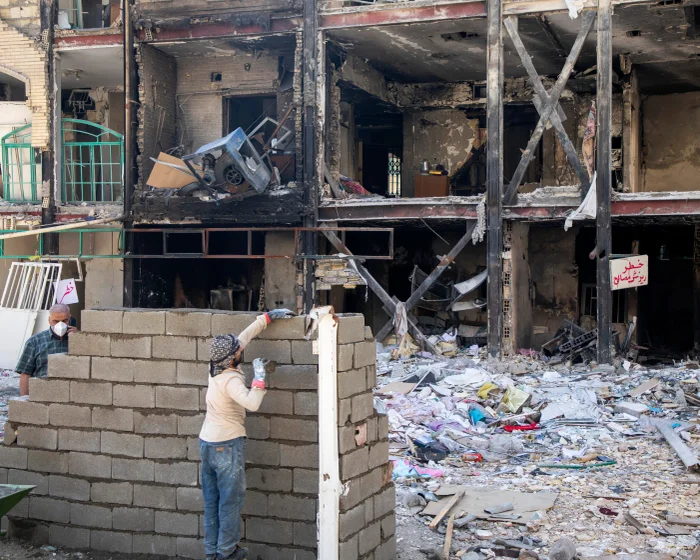
Recent military exchanges have starkly illuminated the dangerously fluid relationship between the United States and Iran. Observers note that the region remains at a heightened state of tension, with accusations of deliberate wrongdoing flying from Tehran. Specifically, Iranian officials have alleged that American actions constituted a calculated crime, citing instances where civilian infrastructure, such as vital water reservoirs, was allegedly damaged, affecting thousands of residents.
The rhetoric surrounding the current confrontation suggests a significant lack of reliable off-ramps. Experts analyzing the situation caution that any misstep by either major power could swiftly push the region into a much more volatile phase of conflict. The dynamics suggest that ongoing, punitive military posturing may prove counterproductive, potentially leading to an uncontrolled escalation that benefits no party involved.
Understanding the Stalemate and Future Trajectories
From an analytical standpoint, the current conflict appears less like a path toward resolution and more like a cycle of mutual confrontation. International experts suggest that for any diplomatic breakthrough to occur, the U.S. would need to address the specific preconditions laid out by Iran, particularly concerning economic measures and sanctions. Ignoring these fundamental demands is seen as a primary impediment to de-escalation.
Furthermore, analysis indicates that even if a limited military operation were executed with the goal of pressuring Iran, its overall effect on Tehran’s strategic standing or its negotiating leverage is questionable. Iran appears to be emerging from recent engagements with a strong conviction of its ability to withstand external pressure and retaliate effectively. This sense of resilience makes any single military campaign unlikely to fundamentally shift the balance of power in a way that secures major concessions.
Regional Stability and International Accountability
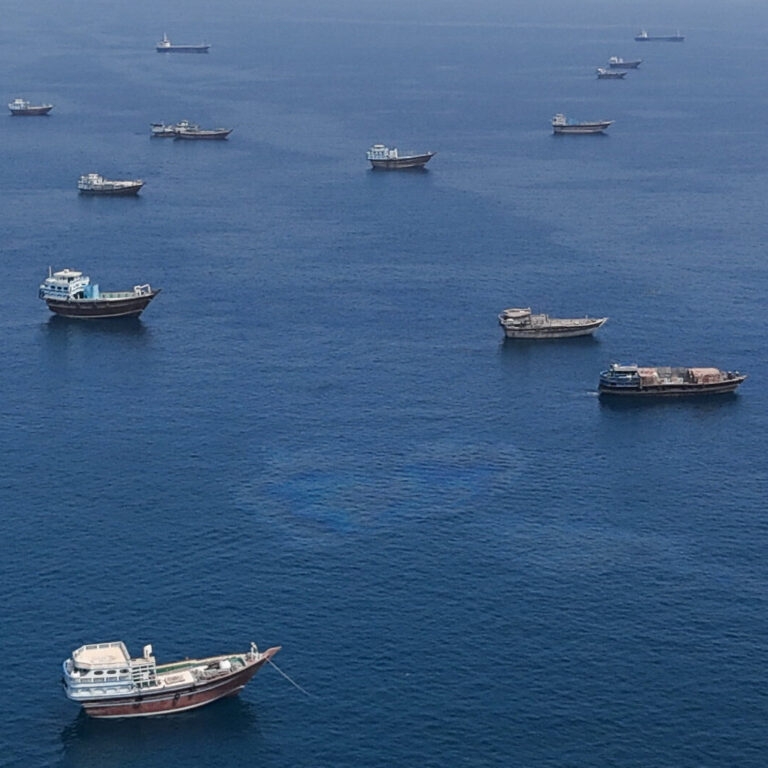
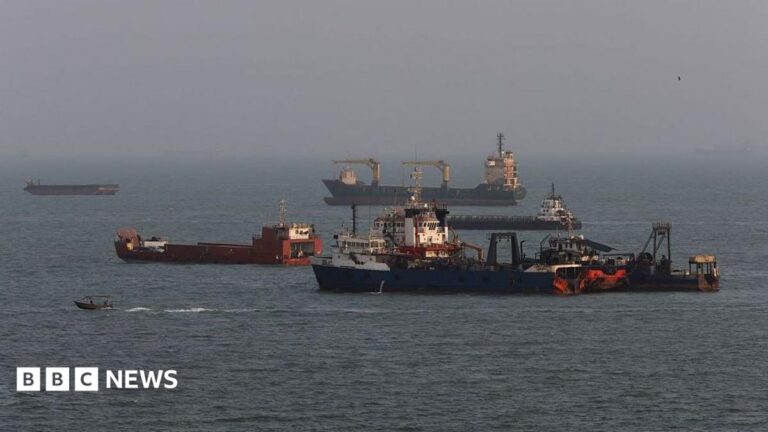
The volatility extends to the broader regional architecture. There is a growing call for international bodies and nations situated near critical waterways, such as the southern edges of the Persian Gulf, to take a proactive stance. This involves ensuring that no entity—whether state or non-state—utilizes local territory or facilities to plan, organize, or provide support for hostile actions directed against Iran. Maintaining regional stability requires a focus on de-escalation mechanisms rather than escalating military posturing.
About the Author