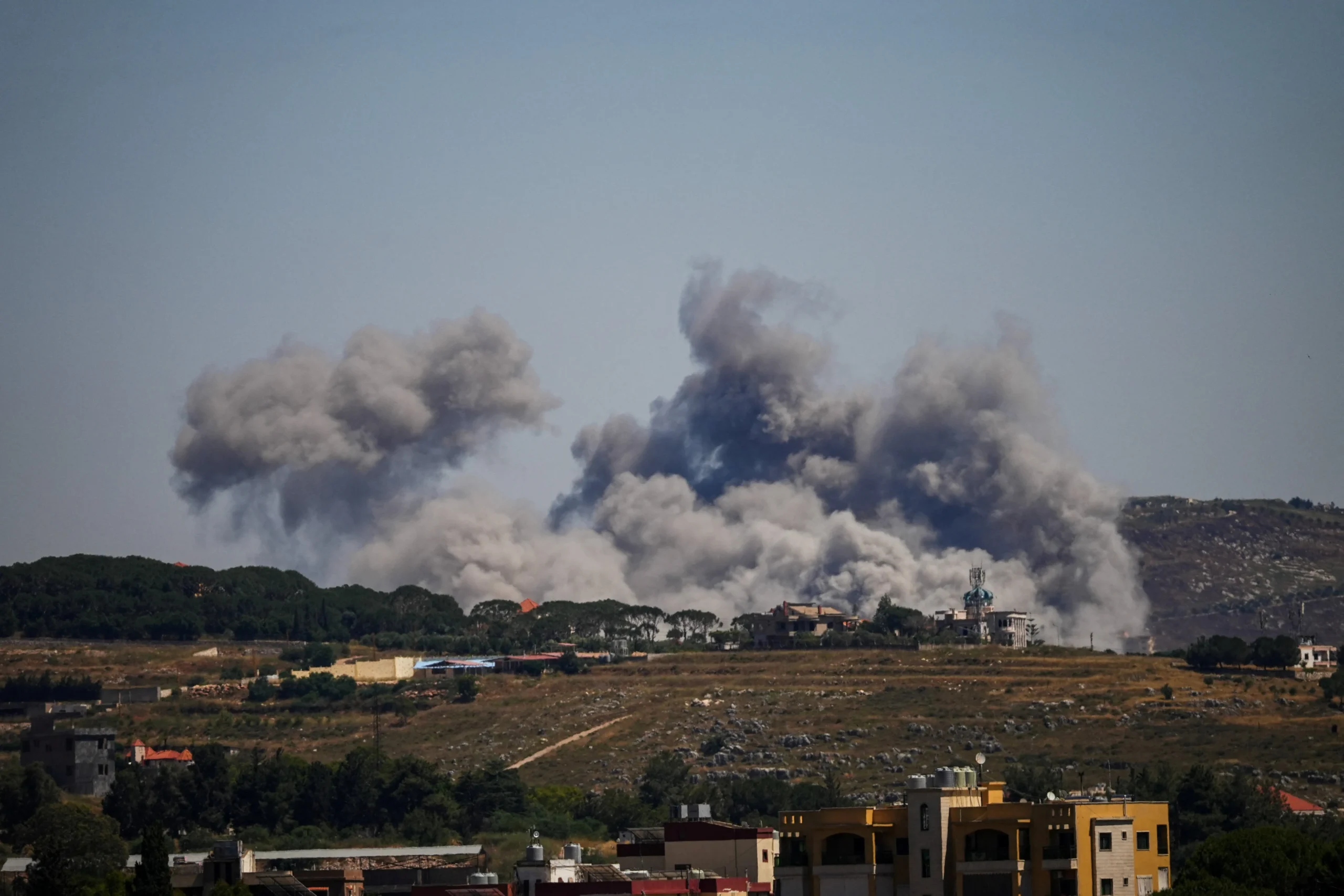
Despite international efforts aiming to stabilize the volatile situation in Lebanon, the operational reality on the ground suggests a deep lack of confidence in any negotiated truce. Reports indicate that military action from Israeli forces persists across various areas of Lebanon, challenging the terms of a recent ceasefire framework. This continued pattern of strikes is significantly contributing to a mounting humanitarian crisis, with casualty figures showing a sharp and worrying increase in the weeks leading up to this period.
Adding to the instability, key local political and militant factions are expressing outright skepticism regarding the viability of any negotiated peace. High-profile leaders have publicly dismissed the ceasefire initiatives, branding them as ineffective or unrealistic. This resistance from prominent groups suggests that the underlying tensions—particularly concerning the actions of Israeli forces—remain fundamentally unresolved, casting substantial doubt on any imminent period of calm.
The situation is characterized by a dangerous divergence between diplomatic agreements and battlefield activity. While multilateral negotiations may signal a pause, the physical evidence of ongoing strikes suggests that major stakeholders are unwilling or unable to commit fully to a lasting cessation of hostilities. Consequently, the humanitarian toll continues to rise, presenting an urgent challenge to international mediators hoping to achieve a durable end to the conflict.
What This Means: The Difficulty of De-escalation
The persistence of military action coupled with vocal rejection of diplomatic measures creates a highly volatile scenario. For the civilian population, this means that even supposed agreements offer little practical safety, as the risk of shelling and targeted strikes remains high. The dismissal of the ceasefire by armed groups implies a belief that external pressure or negotiated settlements are insufficient to deter military escalation. Essentially, the narrative suggests that any peace deal without substantial, verifiable, and guaranteed withdrawal of hostile forces will likely be viewed as temporary and unsustainable by local actors.
Background and Context: A Strained Political Landscape
The recent escalation in Lebanon has been marked by intermittent but intense fighting, rapidly inflating the number of injured and deceased citizens. The cumulative impact of the strikes since early March has created a dire humanitarian picture, placing immense strain on the country’s infrastructure and medical services. The backdrop to these events is a complex web of regional power dynamics, where multiple armed groups maintain significant influence, ensuring that the cessation of hostilities requires alignment across a vast spectrum of political and military interests. The divergence between the diplomatic track and the militant front suggests that multiple preconditions for peace—including troop withdrawal and security guarantees—have yet to be fully met or accepted by all parties.
About the Author