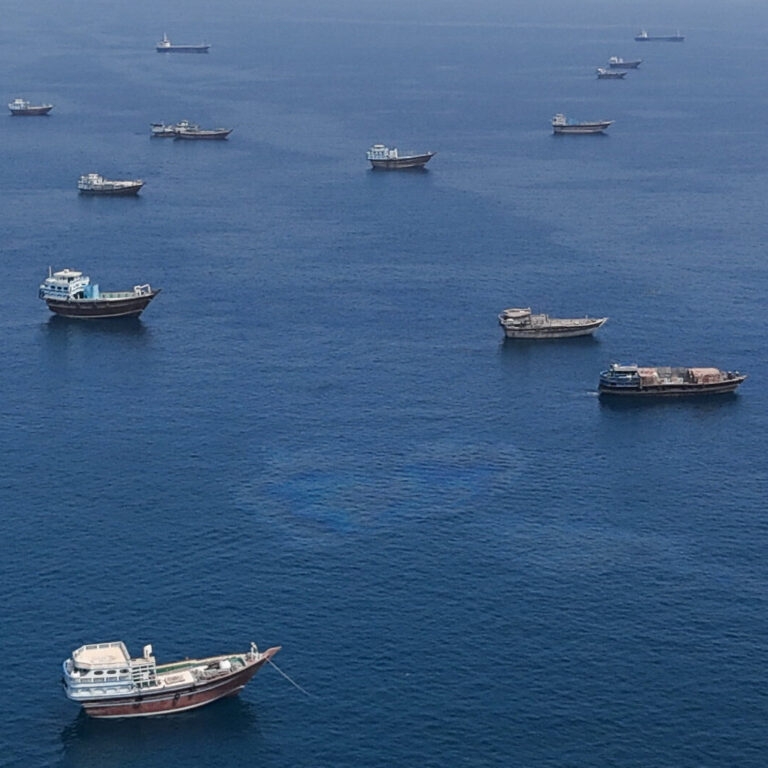
The geopolitical climate in the Middle East has experienced heightened volatility, characterized by significant maritime incidents and the tenuous nature of diplomatic engagement between regional powers. Reports indicate that Iranian state media has claimed the seizure of two vessels within the critical Strait of Hormuz. This development adds a layer of immediate tension to already fragile negotiations, prompting global watchfulness regarding energy flows and regional stability.
At the heart of the unrest appears to be the ongoing, somewhat contradictory, diplomatic maneuvering involving international parties. While talks aimed at de-escalation have reportedly undergone extensions, the underlying conditions for a definitive resolution remain unclear. Statements have emerged detailing the necessity of a comprehensive proposal from Tehran for any sustained dialogue to proceed, suggesting that progress is contingent on internal policy shifts within the region's major players.
These developments are occurring against a backdrop of persistent military activity. Beyond the Gulf, localized confrontations continue to impact neighboring areas, including recent reports of maritime confrontations involving commercial shipping. Furthermore, the conflict landscape involves multiple actors, leading to an evolving pattern of localized skirmishes that underscore the high risk present across key trade routes and flashpoints.
About the Author