Escalating Tensions: Israeli Ground Advance and Diplomatic Efforts in Lebanon
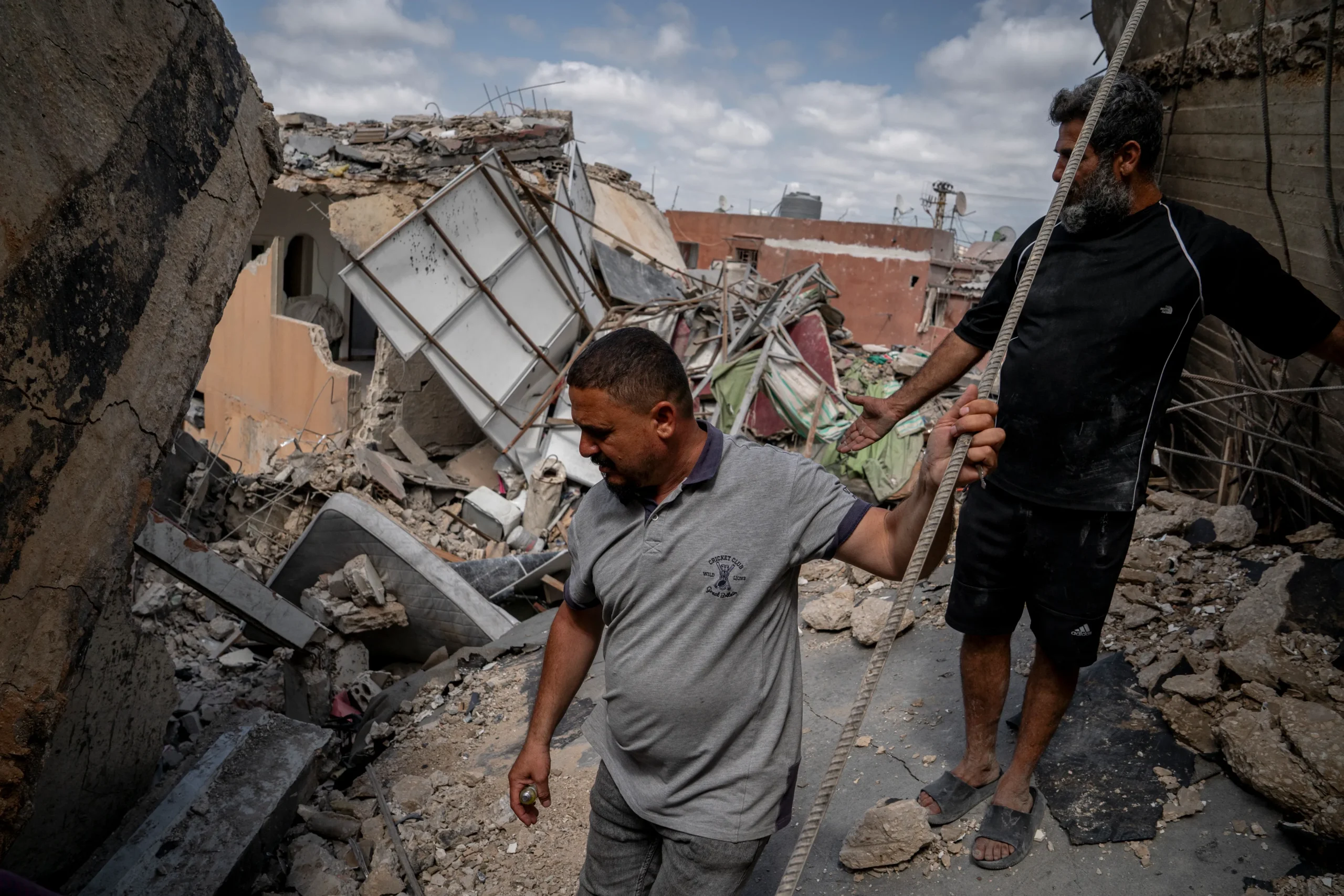
Recent escalations have seen Israeli military forces advancing through key areas of Southern Lebanon, notably crossing the Litani River. These developments occur amid a heightened wave of air strikes targeting various towns across the region. Reports indicate significant civilian impact, with international monitoring bodies flagging sustained distress and casualties among the local population. The sequence of military actions suggests a deepening military engagement despite preceding agreements designed to maintain a lull in hostilities.
The focus of international diplomacy remains on de-escalation. High-level discussions are taking place in Washington, bringing together Lebanese and Israeli military representatives. A primary objective for the Lebanese delegation at these talks is to secure an immediate cessation of the ongoing military operations. These diplomatic efforts underscore the urgent need to stabilize the situation and halt the cycle of conflict that has recently intensified across the Lebanese landscape.
The scale of the recent violence has drawn critical attention. Data compiled by international health organizations reveals alarming rates of casualties, pointing to a severe humanitarian situation developing across the region. These figures provide a stark measure of the impact of the recent military campaigns on civilian life.
The Significance of the Current Climate
The crossing of the Litani River marks a notable operational shift, signifying an expanded ground component to the military activities. This progression adds a significant layer of complexity to the existing security arrangements in the area. From a diplomatic standpoint, the convergence of these events—the ground advance, the continuing air strikes, and the high-level talks—creates a delicate balancing act. The international community and regional powers are keenly focused on mediating a durable pause in hostilities, recognizing that any resumption of large-scale fighting carries profound risks for the civilian populace and regional stability.
Context of International Mediation
The current diplomatic engagement follows prior negotiated pauses in fighting. Official statements indicate that efforts have been made through international mediators to establish temporary ceasefires. These diplomatic milestones were intended to create a framework for gradual normalization or de-escalation. However, the recent resumption of intense military activities suggests that the agreed-upon measures have been challenged or overridden by military objectives on one side, placing the onus on political negotiations to recalibrate the conflict’s trajectory.
About the Author




