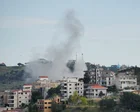
Escalating Violence: Civilian Casualties Mount Amid Unrest in Southern Lebanon
Recent military confrontations in southern Lebanon have resulted in significant civilian casualties, with reports indicating that at least nineteen individuals were killed during recent Israeli strikes. These deadly exchanges are continuing despite the existence of a precarious ceasefire agreement, suggesting the fragile truce is failing to de-escalate tensions between the involved parties.
The violence has been concentrated in areas of southern Lebanon, with one specific incident in the village of Deir Qanoun al Nahr resulting in substantial losses. Official reports from the Lebanese health ministry detail a high toll, citing multiple women and several children among those killed. This pattern of attacks underscores a period of severe instability, with fighting remaining near-constant between opposing armed groups.
What This Means: Breakdown of Tensions
The persistence of attacks, coupled with civilian deaths, suggests that the current arrangement designed to maintain calm is under severe strain. The high casualty count points to an inability of the current de-escalation measures to provide lasting security to the local population. When military operations continue alongside reports of widespread civilian harm, it signals a significant challenge to regional stability and adherence to any negotiated pause in hostilities.
Background and Context: Military Activity
The escalation has been characterized by sustained military action from Israeli forces. According to reports, the military conducted targeted strikes against infrastructure belonging to Hezbollah across multiple locations in the southern region over a recent period. These military operations suggest a continued focus on neutralizing specific assets within the area. The combination of overt military targeting alongside the tragic reports of civilian losses paints a picture of conflict that remains highly active and volatile in the region.
The cumulative effect of these strikes and retaliatory actions illustrates a deep and unresolved conflict dynamic, where the tenuous ceasefire appears insufficient to quell the underlying military tensions between the groups involved.
About the Author




