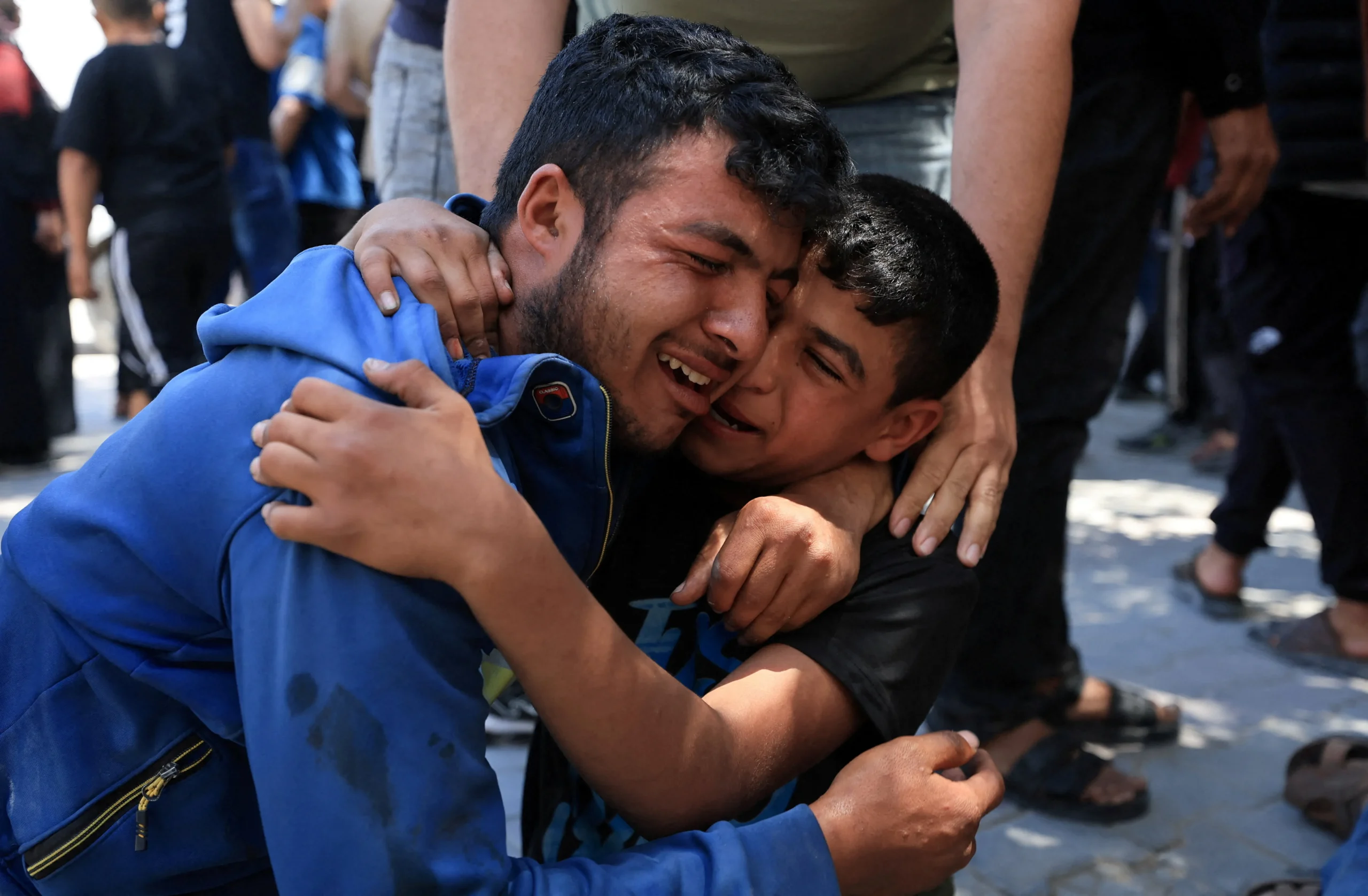
The recent military action in northern Gaza has resulted in the confirmed deaths of several police officers and a young male civilian, according to local authorities. This incident at a police facility in the at-Twam area signals a pattern of escalating conflict, raising concerns about the targeting of civilian and local security infrastructure across the Gaza Strip. These events are occurring despite the implementation of a formal cessation of hostilities, suggesting a deep and volatile breakdown of local order.
The reports of the attack contribute to a broader picture of significant unrest. In the preceding two days alone, numerous strikes have caused widespread casualties, leading to multiple critically wounded individuals seeking care in local medical facilities. This sustained barrage of violence casts a shadow over any prospects of immediate stabilization or adherence to diplomatic agreements meant to ease the intense suffering gripping the population.
What This Means:
The assault on law enforcement structures is viewed by observers as a serious development, threatening the already tenuous thread of local governance. The police force in Gaza, a body numbering thousands, plays a crucial role in maintaining some level of civil order amidst the humanitarian catastrophe. By striking these local security elements, the conflict dynamic deepens, potentially destabilizing aid distribution channels and exacerbating a widening power vacuum within the enclave. This further complicates any pathway toward broader de-escalation efforts.
Background / Context:
The current situation unfolds against the backdrop of an extensive and protracted conflict. While a ceasefire was announced at one point, Israeli military operations have continued with considerable intensity. The humanitarian impact has been devastating, with official figures detailing a cumulative toll on the civilian population. Compounding the immediate violence is the pervasive challenge of aid access. Restrictions on the entry of necessary humanitarian supplies continue to hamper efforts to mitigate the severe shortages faced by the inhabitants, adding significant strain to an already critical life-support system.
About the Author




