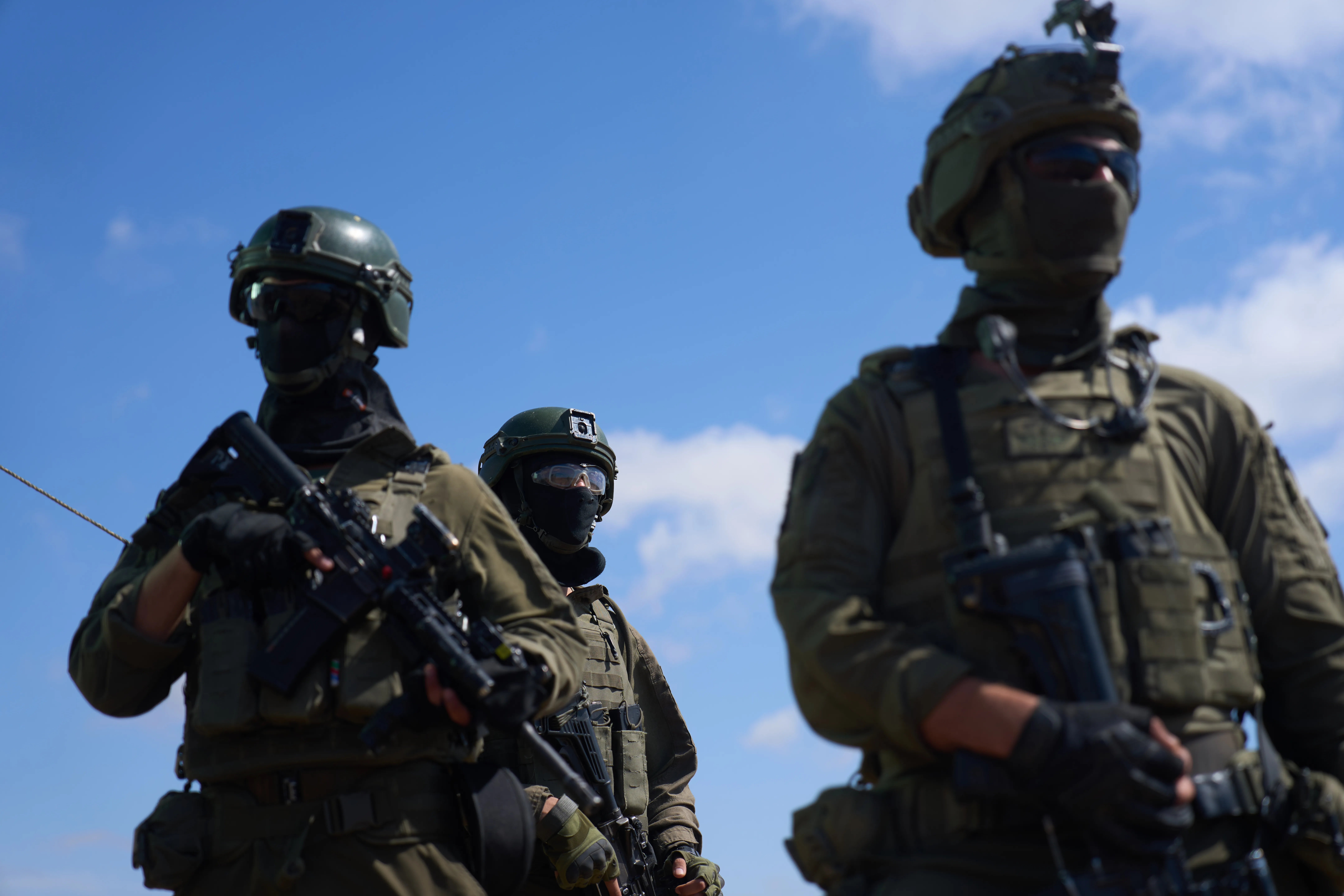
Despite the observance of significant Islamic holidays, including Eid al-Adha, recent reports indicate that the conflict in Gaza has shown no sign of abatement. Intense military activity, coupled with documented settler actions and incursions, has continued across the area. These escalations suggest that international truces or periods of reflection have failed to create any lasting respite for the civilian population.
The most recent reports detail sustained violence, including strikes and demolitions, persisting throughout the holiday period. Official figures suggest that numerous casualties were reported over the span of the major festivities, despite existing agreements intended to curb fighting within the enclave. This level of sustained violence underscores a deep and ongoing rupture in the humanitarian situation.
The situation is further complicated by multiple facets of tension. Beyond the active combat zones, civilian life has been disrupted by incidents involving settler activity and confrontations at religious sites. Furthermore, international accountability mechanisms continue to surface, detailing patterns of alleged abuses that draw global attention to the persistent humanitarian crisis.
The Human and Legal Dimensions of the Crisis
The focus of recent international reporting has increasingly shifted toward documented violations of human rights. High-level international bodies have recently added several Israeli entities to a specialized blacklist due to credible allegations concerning sexual violence and conflict-related abuses in Gaza and the West Bank. These reports compiled by international oversight organizations document specific instances of mistreatment affecting numerous individuals from both territories.
Simultaneously, international concern has been raised regarding the impediments to vital aid delivery. Allegations of forceful detentions of aid workers and humanitarian groups attempting to reach besieged populations have fueled international protest. In response to mounting international pressure, some governing bodies have moved to impose sanctions against specific settler movements and associated individuals, citing their role in exacerbating tensions.
Significance and Context
The continuation of heavy fighting and reported abuses immediately following major religious observances highlights a profound disregard for civilian life and international norms. The convergence of military action, documented human rights concerns, and difficulties in humanitarian access points to a protracted and worsening crisis. The varying international responses, ranging from calls for investigations into detentions to the imposition of sanctions against civilian groups, underscore the deep polarization surrounding the conflict’s management and resolution.
Moreover, the events surrounding aid passage have triggered specific national governmental responses, with certain nations initiating legal reviews into the treatment of their citizens detained while attempting to deliver necessary supplies. These cumulative events paint a picture of a multifaceted crisis where military conflict intertwines deeply with human rights violations, aid blockades, and evolving international legal scrutiny.
About the Author




