Cycles of Violence Disrupt Fragile Peace in Southern Lebanon
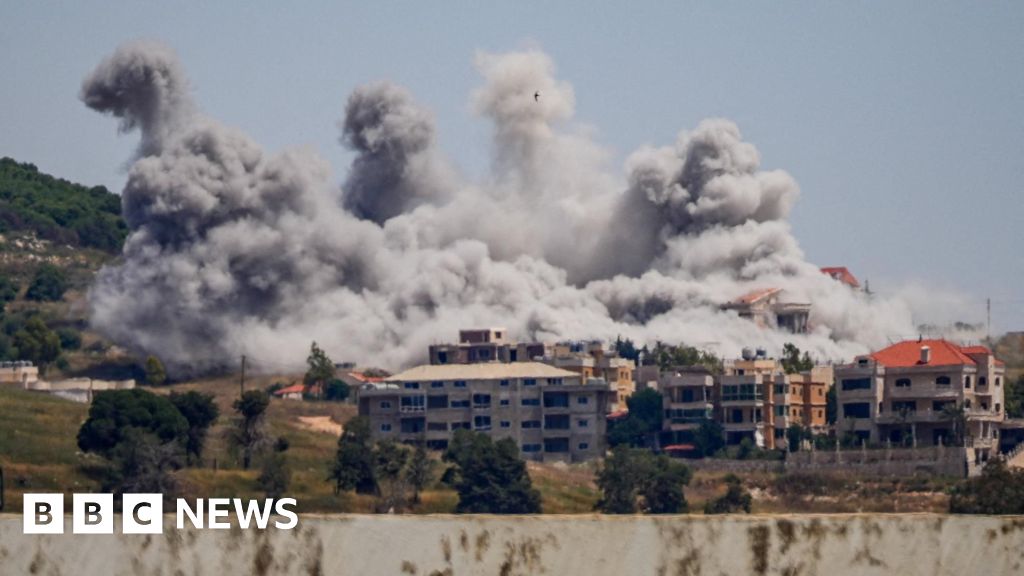
Tensions flared significantly in southern Lebanon this week following reported exchanges of fire across the border. Israeli military operations resulted in multiple casualties, with local authorities confirming that at least nine individuals were killed. These deadly incidents occurred even as the volatile situation remained under the shadow of a partial ceasefire that had been established earlier in the week. Compounding the instability, armed groups operating in the region reported launching rockets directed into northern Israeli territory.
The violence tested the fragile diplomatic arrangements meant to de-escalate hostilities. Furthermore, reports indicated that the conflict’s reach extended near civilian areas, including the vicinity of the capital. These ongoing flare-ups underscore the profound difficulty in maintaining a sustained cessation of hostilities amidst deep regional rivalries and military buildup along the border zone.
The Broader Implications of Renewed Conflict
The recent fighting highlights the tenuous nature of the agreements aimed at stabilizing the region. When violence erupts, it immediately draws international focus to the underlying causes—a complex interplay of regional power struggles. International mediation efforts are critically important, as the ongoing skirmishes threaten to derail delicate diplomatic momentum and reignite broader conflict dynamics across the Levant.
The escalation points to a deep impasse, suggesting that localized flare-ups are symptomatic of unresolved, high-stakes geopolitical disputes. The necessity for an actionable, durable security framework independent of the most volatile elements in the region remains a central theme in diplomatic discussions.
Historical Context of the Deterioration
The current wave of violence is not isolated. It stems from a deeper, escalating conflict timeline. The situation deteriorated significantly over several months, marked by intense exchanges of fire following military confrontations. Early in this period, the conflict escalated dramatically, drawing neighboring powers into the fray through retaliatory military actions. Attempts by major international bodies to institute a cessation of hostilities have proven difficult to maintain, as military operations and cross-border skirmishes have continued despite diplomatic efforts.
The cumulative effect of the fighting has placed immense strain on the civilian population. Reports suggest widespread displacement across the country, with significant portions of the population facing internal upheaval and humanitarian challenges due to the sustained military tension near populated areas.
About the Author