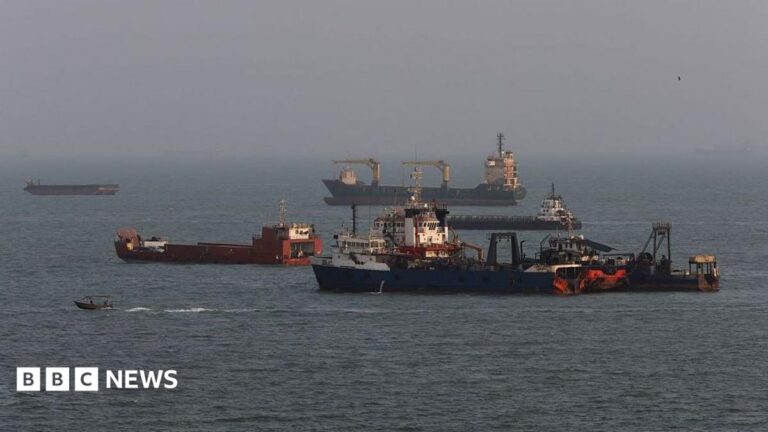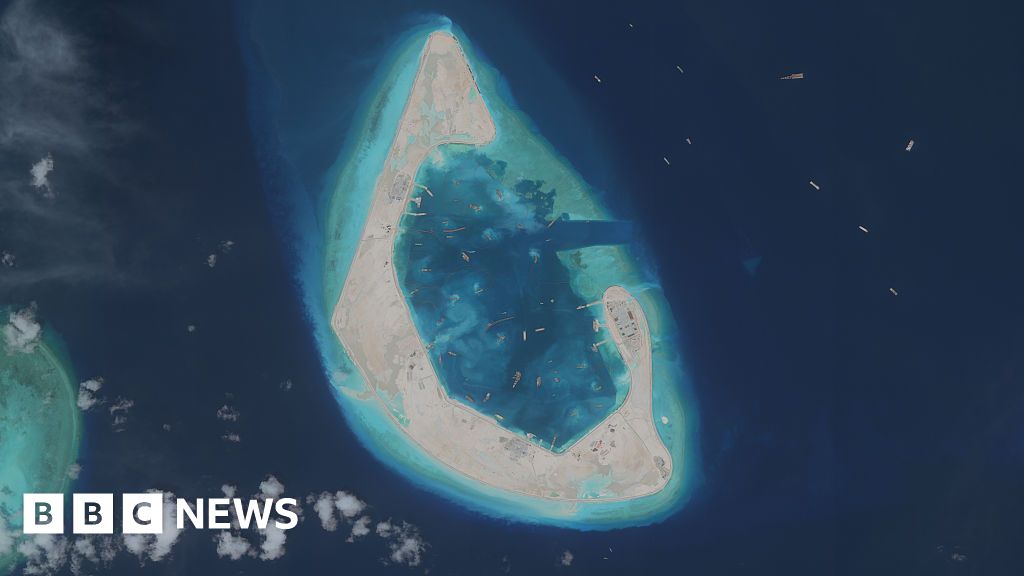
The geography of the South China Sea is undergoing a rapid and dramatic reshaping, characterized by massive-scale artificial land creation. In a striking demonstration of this activity, a formerly submerged, inconspicuous reef known as Antelope Reef has been transformed into a substantial piece of land in a matter of months. This monumental construction involved dredging millions of tons of sand from the seabed, turning a mere patch of underwater structure into a visible, kilometer-scale feature complete with signs of permanent infrastructure. The speed and scale of these engineering feats have drawn international attention to the intense development occurring across the region’s disputed maritime zones.
This intense period of artificial development is not confined to one nation. While one major power has been implementing this rapid buildup across several island chains, other regional claimants are also engaging in similar—though potentially less extensive—reclamation efforts on reefs under their respective claims. The overarching pattern reveals a strategic move to solidify physical presence in waters contested by multiple nations, including China, Vietnam, the Philippines, Malaysia, Brunei, and Taiwan. These efforts are systematically altering the physical contours of the sea to support deeper territorial assertions.
The significance of this transformation extends far beyond mere real estate development. The newly established landmasses are quickly being outfitted with infrastructure suggestive of strategic military utility. Reports indicate the construction of features resembling runways on these newly formed artificial islands. This physical hardening of disputed territories suggests a long-term strategy aimed at establishing permanent, militarized outposts across the region’s claimed maritime expanse.
About the Author