Recent military actions in the Levant have dramatically heightened regional tensions, suggesting a rapid deterioration in diplomatic stability. Following an Israeli strike targeting areas near Beirut, reports indicate that Iran has responded with the launch of missiles toward Israel. This exchange marks a significant escalation, moving the conflict from potential diplomatic disputes into direct military confrontation between major regional powers.
The incident appears to be the culmination of mounting frustrations over ongoing security operations. When diplomatic channels have previously been seen as the primary means of de-escalation, such aggressive missile exchanges signal a breakdown of those established protocols. The threat of returning to ‘direct confrontation’ elevates the risk profile for the entire geopolitical region.
What This Means for Regional Stability
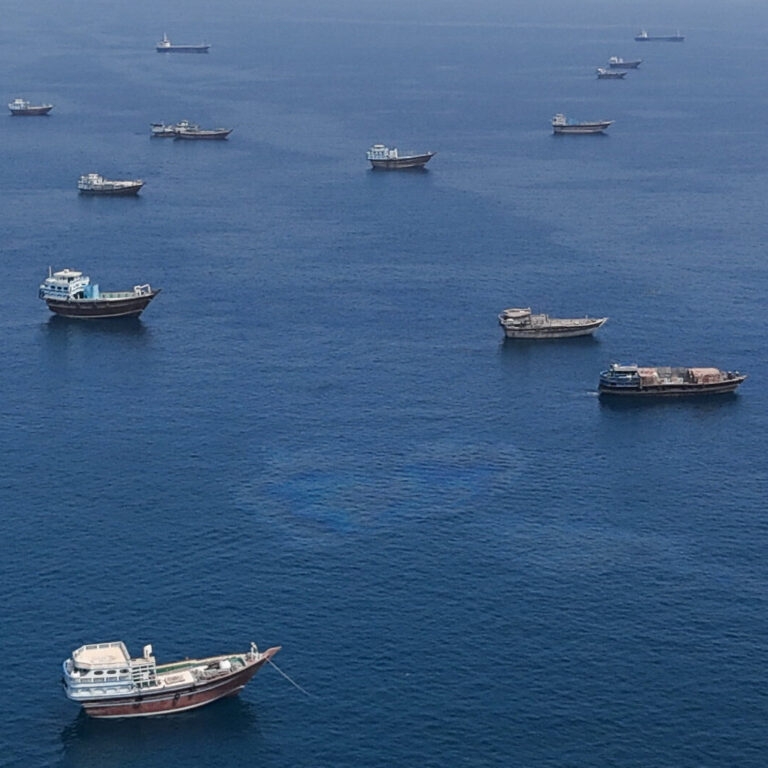
The direct exchange of weaponry points toward a critical junction in Middle Eastern politics. For the international community, the immediate implication is an increased volatility in key shipping lanes and energy markets. The operational failure of diplomatic talks, as suggested by the reported shift in Iran’s posture, signals that previous off-ramps for conflict management are currently unavailable or have been rejected by involved parties.
Analysts suggest that the nature and intensity of these actions will force global powers to reconsider their diplomatic engagement strategies. The immediate focus shifts to assessing the scope of the military exchanges, understanding the specific targets, and determining if this pattern of reciprocal aggression is likely to continue or if a de-escalation mechanism remains viable through third-party mediation.
Background Context of the Flare-Up
The backdrop to this missile activity involves recent Israeli military operations. The details surrounding the strikes conducted near Beirut have been pivotal, providing the immediate flashpoint for the escalation. Prior to this outburst, there had been considerable diplomatic activity aimed at achieving a stable, non-conflictual status quo in the region.
Historically, periods of high tension in this geographic area have seen cycles of conflict punctuated by intense periods of negotiation. This current cycle appears uniquely volatile, driven by military confrontations that seem to have overridden the incentive for continued dialogue. The warning issued by regional actors, indicating a readiness to abandon negotiated settlements in favor of armed posturing, fundamentally alters the calculus of risk for all stakeholders involved in the wider regional security architecture.
About the Author