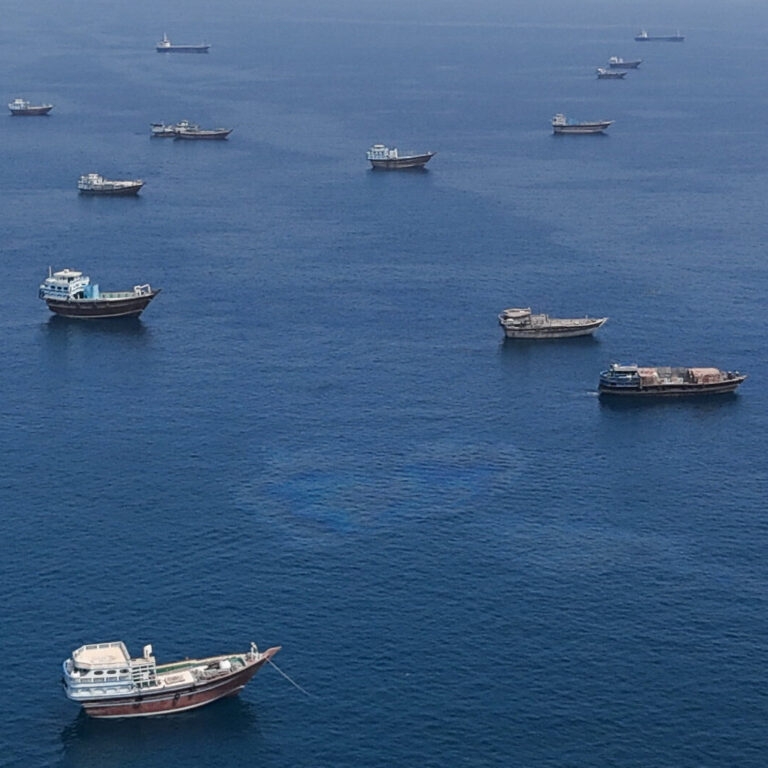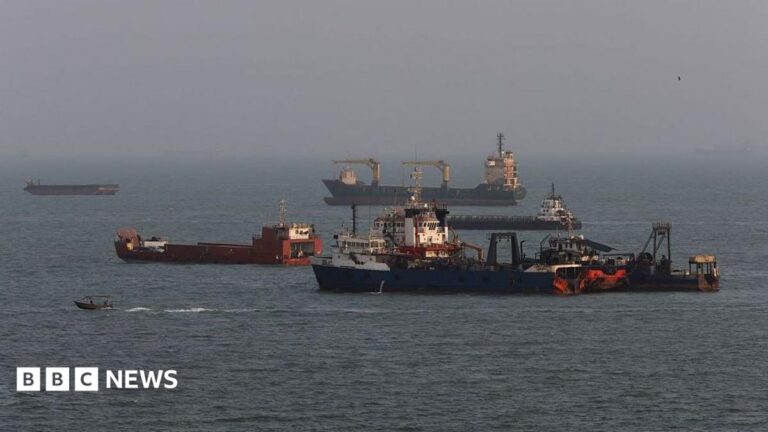
Tensions Flare Over Shipping Lanes as Military Posturing Intensifies in the Strait of Hormuz
The maritime passage through the Strait of Hormuz, a critical global chokepoint for energy and trade, has become the focus of escalating military rhetoric. Recent pronouncements from high-level political figures indicate a potential shift toward more aggressive enforcement measures. Specifically, warnings have been issued suggesting that naval forces are prepared to engage any vessels suspected of deploying mines within the narrow waterway.
These forceful statements underscore a claimed level of command and operational capability over the strait’s security. The implication of such directives is clear: any action threatening the passage—such as laying mines—could meet a swift and forceful military response. This elevated state of readiness creates an immediate concern for global shipping lanes that rely on unimpeded passage through this vital conduit.
What This Means: Implications for Global Trade and Security
The heightened tension in this region carries significant weight for the international economy. As a passage through which substantial volumes of oil and gas traverse, disruptions here could trigger severe global energy price volatility and paralyze supply chains. The ability of major naval powers to assert control over the passage, as recently suggested, indicates a prioritization of securing this artery for international commerce. Any breakdown in de-escalation efforts raises the specter of a major international incident, with cascading effects far beyond the immediate geopolitical sphere.
Background Context: Ongoing Regional Instability
The operational environment in the Strait of Hormuz has long been characterized by intermittent tensions and complex geopolitical maneuvering. Reports from regional actors have previously dismissed diplomatic efforts to restore normalcy, citing ongoing alleged breaches of ceasefire agreements. This persistent backdrop of instability means that any warning or overt display of military readiness must be viewed against a long history of regional contestation and disagreement over maritime rights and passage safety.
Furthermore, within the security apparatus itself, personnel changes have occurred. Reports have detailed an unexpected departure of a senior official within the Navy. While the official reason for the change in leadership was not publicized, the turnover highlights the internal dynamics within the defense structure. Such high-level staff adjustments in the midst of geopolitical friction can sometimes signal a realignment of strategic focus or a shift in policy posture concerning critical global flashpoints like the Strait of Hormuz.
About the Author