Geopolitical Flashpoint: Tensions Escalate Over Shipping Lanes in the Strait of Hormuz
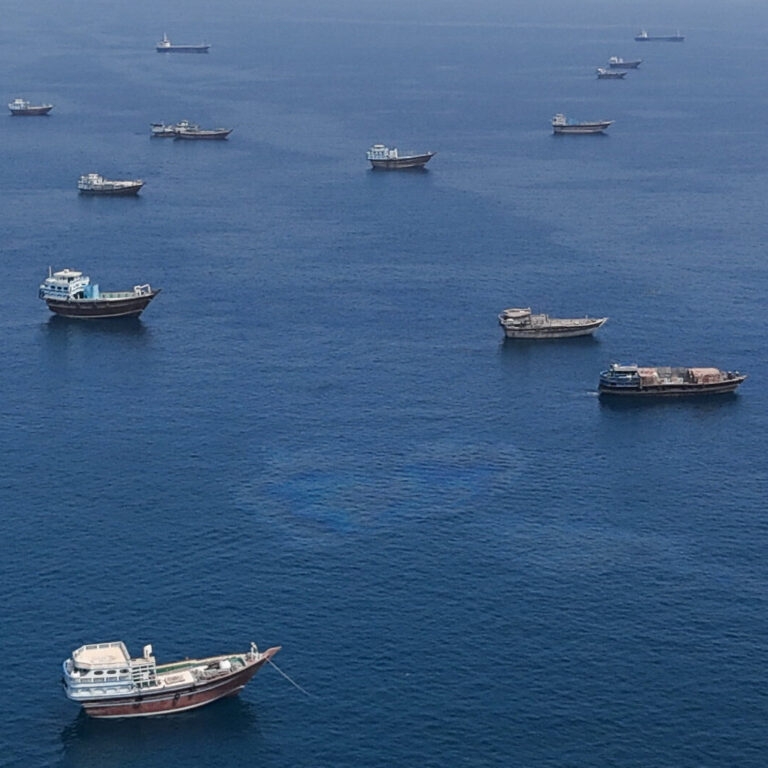
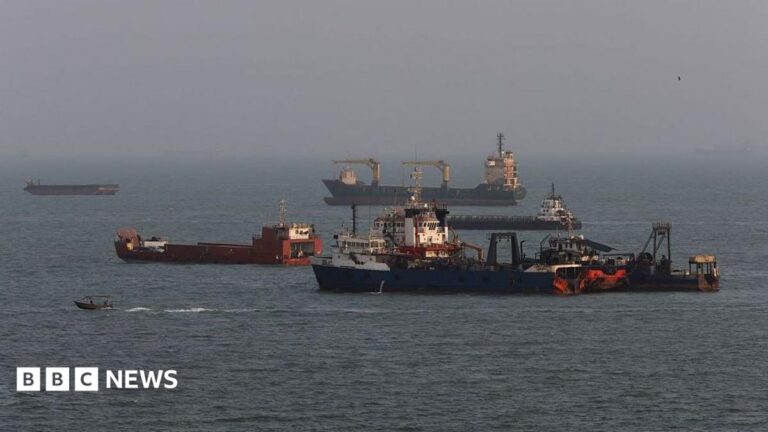
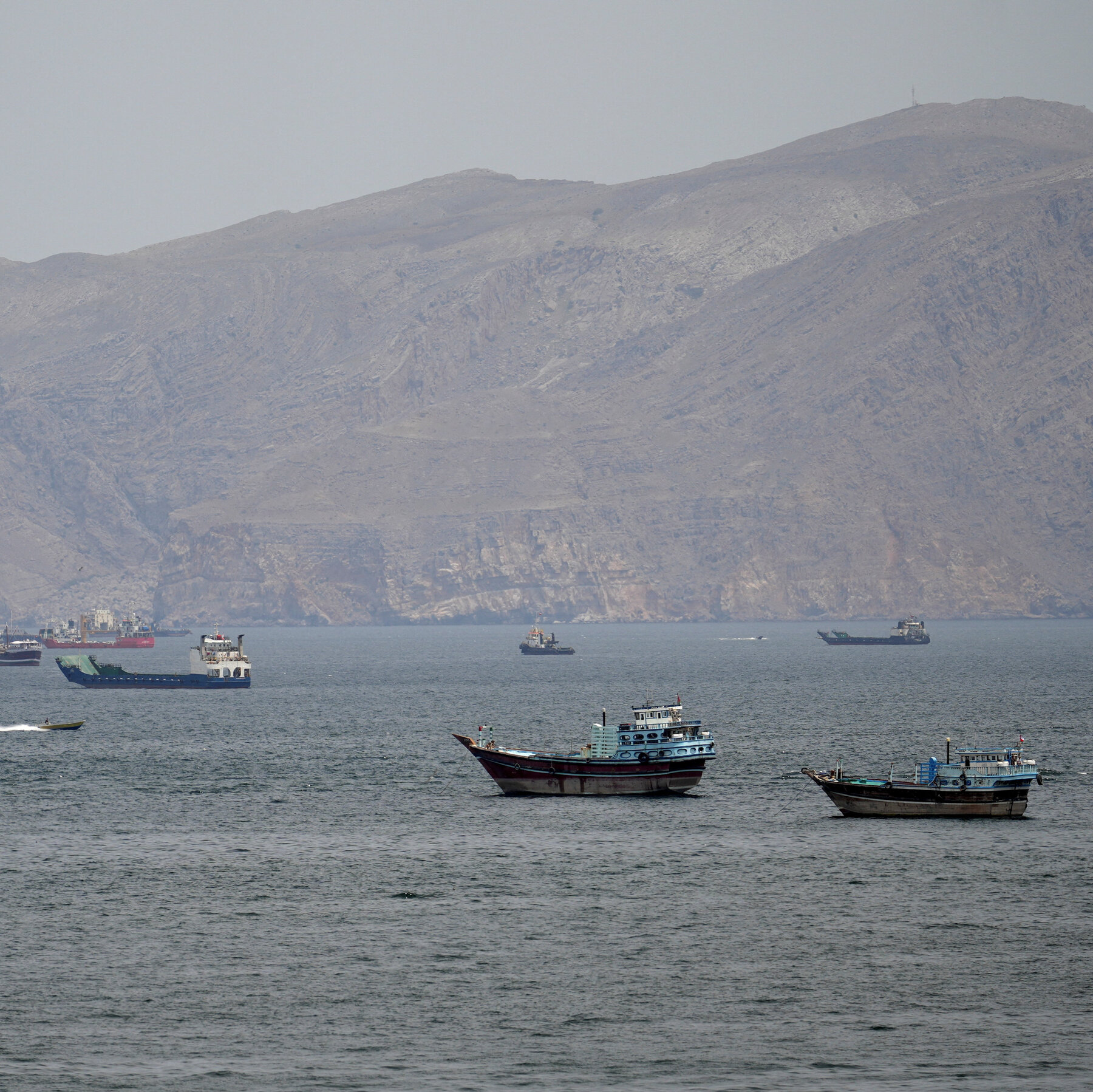
The international maritime environment has become notably volatile due to escalating tensions in the Strait of Hormuz. Recent incidents, including the detention of commercial vessels, have heightened concerns among global shipping industries and international observers alike. The region, crucial for the global flow of energy, is currently at the center of diplomatic and military focus as various regional powers assert their influence over key waterways.
These escalating tensions manifest through rhetoric from major global figures and direct military posturing. High-level warnings regarding maritime activities have been issued, specifically targeting vessels operating in the strait. The focus of the current alarm centers on the alleged disruption or interference with commercial tanker traffic, leading to increased scrutiny of operational procedures by international naval forces.
These incidents occur against a backdrop of ongoing uncertainty regarding diplomatic resolutions and the future status of various regional agreements. The actions taken by involved parties underscore a struggle for regional control and the ability to maintain freedom of navigation through some of the world’s most vital trade arteries.
Implications for Global Trade and Security
The instability emanating from the Strait of Hormuz carries profound implications that reverberate far beyond the Middle East. As a primary transit point for vast quantities of crude oil and liquefied natural gas, any disruption directly threatens the global energy supply chain. Shipping through this chokepoint is indispensable to the economies of numerous nations, making any perceived threat to its open passage an immediate economic risk.
Analysts suggest that the military actions and heightened rhetoric are designed to pressure diplomatic outcomes. The perceived violation of maritime norms—such as the alleged interference with oil tankers—serves as a point of leverage in broader geopolitical negotiations. Ensuring the secure and predictable movement of goods and energy resources remains the paramount concern for global economies.
Context of Regional Maritime Disputes
The Strait of Hormuz has long been a point of strategic interest due to its immense economic value. The area’s maritime security is intrinsically linked to the political stability of the surrounding nations. When diplomatic channels appear strained, localized incidents involving vessels—whether they are routine commercial tankers or those carrying state-affiliated goods—can quickly escalate into significant international crises.
Historically, this passage has been a focal point for international powers concerned with maintaining the rules-based international order. The repeated assertions of authority, whether through naval patrols, official warnings, or direct vessel boardings, reflect a complex interplay between sovereign national interests, international maritime law, and geopolitical rivalry. The ongoing situation highlights the delicate balance required to keep one of the world’s busiest commercial corridors open and secure for global commerce.
About the Author