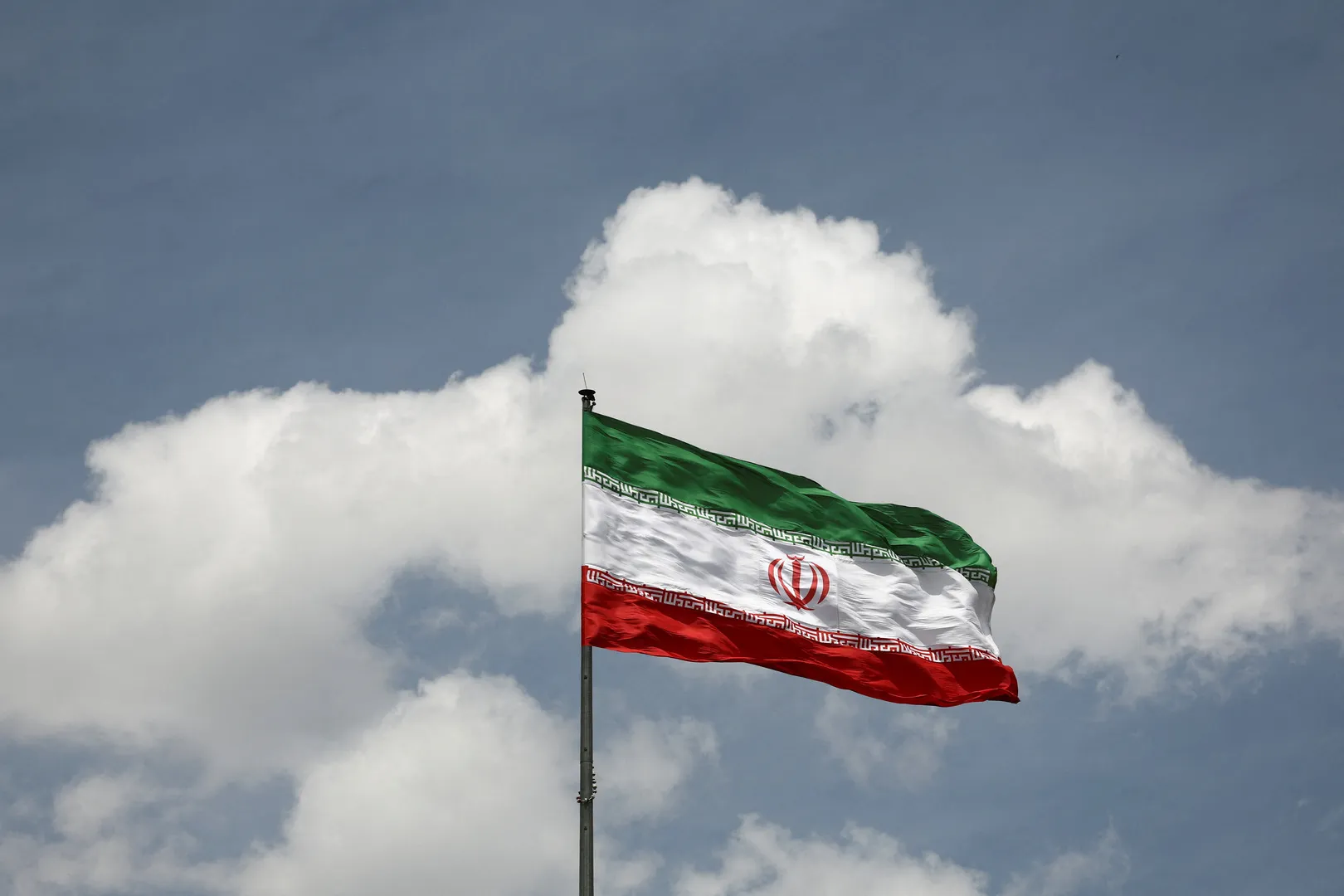
The prospect of a diplomatic understanding between the United States and Iran remains a subject of significant international interest. Recent disclosures from sources familiar with the negotiations have provided insight into the parameters and conditions that would govern any future agreement. These details suggest a structured path toward normalizing bilateral relations, moving beyond previous periods of high tension and limited engagement.
The discussions reportedly center on establishing a comprehensive understanding that addresses the core security and diplomatic concerns of both nations. The framework suggests a mutual commitment to de-escalation and the establishment of clear guardrails for future interactions. These talks aim to solidify a level of predictability in the relationship, which has historically been volatile, thereby laying the groundwork for deeper, more stable cooperation.
What This Means for Regional Stability
The successful formalization of a deal between Washington and Tehran would carry profound implications for the geopolitical landscape of the Middle East. A negotiated understanding could potentially reduce areas of friction that have contributed to regional instability. By creating a defined pathway for dialogue, such an accord could pave the way for increased economic cooperation and coordinated efforts on shared security challenges. Such a development would signal a major diplomatic pivot, shifting the focus from confrontation to structured partnership.
Background Context of US-Iran Relations
For years, the relationship between the two countries has been characterized by significant friction, punctuated by periods of engagement and subsequent withdrawal. The necessity of an overarching agreement stems from the enduring strategic importance of the region to both powers. Discussions around a Memorandum of Understanding (MOU) imply a commitment to formalizing these complex arrangements through mutual agreement. The focus of these talks reportedly involves addressing several key areas, including matters of regional security cooperation and the management of cross-border activities.
Navigating the Negotiation Landscape
Reports indicate that the details being outlined touch upon specific mechanisms for managing disputes and ensuring compliance with shared understandings. Such agreements are not merely political gestures; they are envisioned to be comprehensive instruments designed to guide behavior and build trust over time. The emphasis on defining the contours of peace suggests a granular process involving various stakeholders to ensure all dimensions of the relationship—diplomatic, economic, and security-related—are addressed within the final pact.
About the Author




