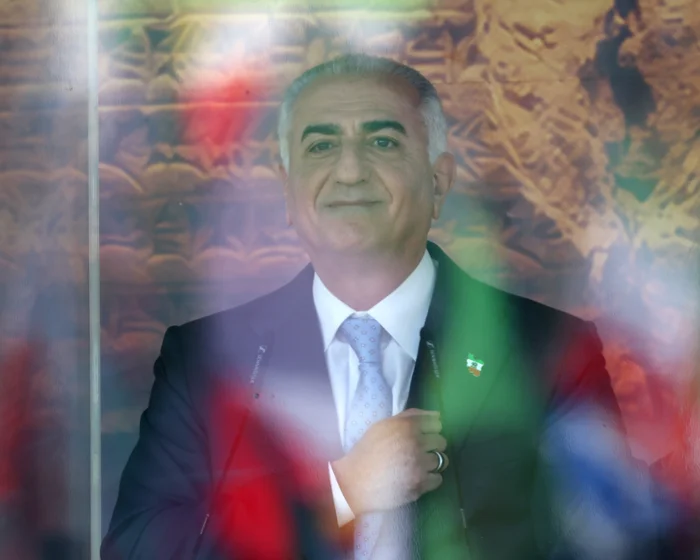
Reza Pahlavi Faces Scrutiny as Supporters Laud Controversial Security Apparatus
The journey toward establishing a royalist revival in Iran has encountered unexpected political headwinds for key figures. Specifically, the son of the former Shah, Reza Pahlavi, has found himself in a delicate public position. His attempts to build support for a return to monarchy-aligned ideals are being complicated by vocal elements within his own base who have begun praising historical symbols of state repression.
For decades, the security service associated with the Shah’s era—often cited for its role in maintaining authoritarian rule—was universally viewed by segments of the Iranian public as a potent symbol of oppression. Its institutional legacy was deeply intertwined with the revolutionary momentum that culminated in the toppling of the monarchy in 1979. Consequently, any public endorsement of the agency represents a significant ideological hurdle.
The Current Political Tightrope
This historical baggage has created a considerable challenge for Mr. Pahlavi. As he promotes narratives aimed at restoring the monarchy’s prominence, some of his most enthusiastic backers have taken to overtly celebrating the very mechanisms of control that fueled the dissent leading to the regime’s fall. This public alignment places Mr. Pahlavi in a difficult spotlight, compelling him to publicly distance himself from the historical glorification of these formerly notorious security structures.
Significance and Political Implications
The emphasis on distancing oneself from such controversial symbols is more than mere political optics; it speaks to the critical nature of gaining broader legitimacy. To advance a movement advocating for fundamental structural change in a nation, any figurehead must manage a complex public narrative. Praising instruments of past state control can alienate potential allies who are primarily motivated by anti-authoritarian sentiment or a desire for genuine democratic reform. Therefore, the current focus appears to be on recalibrating the appeal of the royalist movement to appear palatable to a wider spectrum of Iranian opinion.
Contextualizing the Shift
The Iranian political landscape remains deeply polarized, marked by significant historical ruptures. Any figure attempting to reclaim a powerful, albeit deposed, status must navigate these deeply entrenched narratives. The expectation from external and internal observers is that any call for national renewal must be fundamentally divorced from the apparatuses that were instrumental in keeping the previous regime in power. This emerging need for ideological clarification highlights the high bar for any figure seeking to redefine Iran’s future trajectory away from its complex, volatile history.
About the Author