Tragedy in Aid Work: Local Medics Mourned After Israeli Strikes in Southern Lebanon
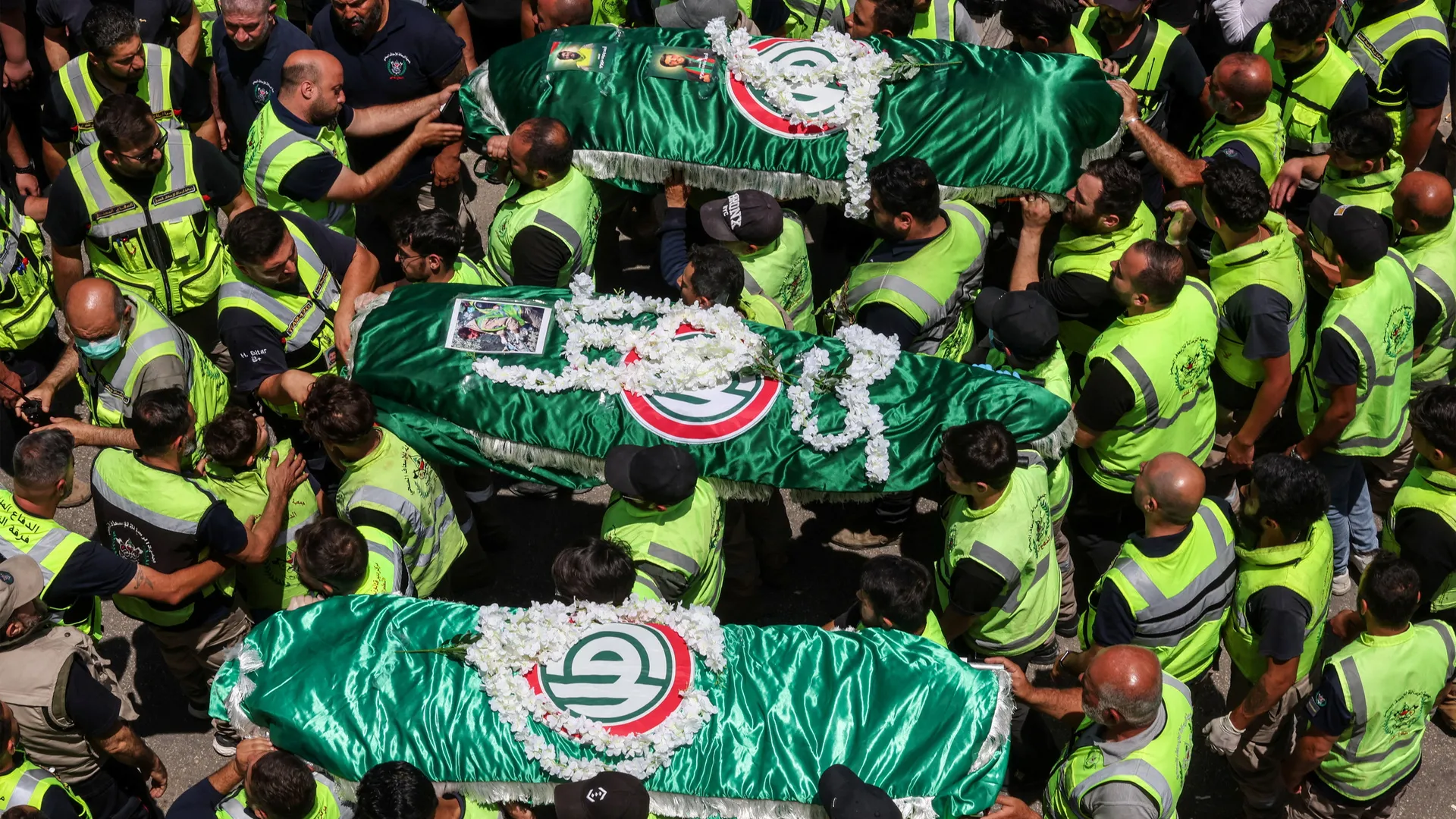
Recent events have brought a wave of mourning to the communities of southern Lebanon, following the confirmation of multiple aid workers killed by Israeli airstrikes. These reports detail funerals held for local paramedics whose lives were tragically cut short during the ongoing military operations in the region. The loss of these dedicated medical professionals underscores the high human cost accompanying the escalating conflict.
The incidents reflect a deeply concerning pattern regarding the safety of civilian support structures and medical personnel operating in the area. Local health workers, who provide vital support to communities facing conflict, have now been among those reported as casualties of the aerial bombardments. The gravity of these losses compels observers to examine the humanitarian implications of the military actions unfolding along the southern border.
What This Means for Civilian Care
The targeting or collateral impact on medical teams sends a profound message regarding the vulnerability of non-combatant support systems. The casualties suggest that the infrastructure required to maintain emergency and routine healthcare is under severe threat. For the populace, this raises urgent questions about the continuity of care, the safety of medical facilities, and the ability of humanitarian organizations to operate effectively amidst hostilities. The focus shifts to the need for robust international protections for medical personnel and sites.
Context of Escalating Military Action
The fighting in southern Lebanon has been marked by repeated military exchanges involving advanced weaponry. Official statements indicate that the military actions have frequently been directed toward areas associated with medical complexes and teams. These forces have accused local armed groups of repurposing these facilities, alleging that they are being utilized to store weaponry or house combatants. This accusation provides the context for the military’s stated rationale for increased operations in the zone.
Humanitarian Concerns at the Forefront
Despite the high-stakes military rhetoric and allegations concerning the use of civilian infrastructure, the immediate reality on the ground involves deeply distressed communities mourning their aid providers. The pattern of violence targeting areas where civilian life and medical services intersect highlights a significant humanitarian crisis. These losses compound the existing struggle, impacting the immediate ability of the region to respond to any medical emergencies, irrespective of the source of the injuries.
The focus of international concern remains on de-escalation and the adherence to international humanitarian law, particularly regarding the protection of medical neutrality. The passing of these paramedics serves as a stark reminder of the human collateral damage accompanying geopolitical conflict in this volatile corridor.
About the Author




