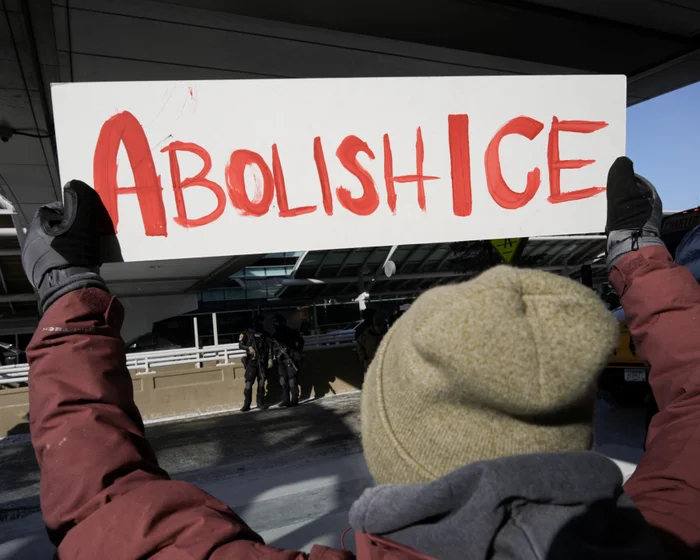
Legal Proceedings Test Free Speech Boundaries: Jury Convicts Protesters in ICE Demonstration Case
A recent federal jury verdict has drawn sharp criticism from legal observers, establishing a high-profile conviction involving several individuals who participated in a protest directed at U.S. Immigration and Customs Enforcement (ICE). The three defendants, which included a service member who served during the Afghanistan conflict, were found guilty of felony conspiracy charges stemming from activities related to a demonstration that took place in June 2025. This outcome has fueled immediate discussions among civil rights experts regarding the perceived scope of government authority when addressing dissent.
The nature of the charges and the resulting penalties—which include potential prison terms of up to six years and substantial financial penalties—have led many legal analysts to view this case as a significant indicator of legal trends. According to expert commentary, the proceedings represent a notable escalation in the challenges to fundamental rights of free expression. The judicial outcome, critics argue, highlights increasing scrutiny over the boundaries of lawful public assembly and protest.
What This Means: Implications for Civil Liberties
The significance of this trial extends beyond the individuals involved. Legal scholars suggest that the conviction sets a precedent that may be interpreted as chilling free speech. When criminal conspiracy charges are applied to protest activities, especially those involving lawful assembly, the focus shifts from the content of the speech to the coordination among participants. Critics contend that such legal machinery can be used to discourage dissent, making citizens hesitant to organize or attend demonstrations out of fear of future prosecution.
The case prompts deeper examinations into the balance between maintaining public order and safeguarding the constitutional guarantees of free speech. The severity of the penalties imposed underscores the seriousness with which the legal system views actions undertaken during periods of civil unrest, raising complex questions about where the lines between protected protest activity and criminal conspiracy actually lie.
Background and Context: The Landscape of Protest Law
Historically, demonstrations against government agencies, such as immigration enforcement bodies, are cornerstones of American political activism. These protests serve as critical mechanisms through which communities voice deep concerns about policy implementation and governmental overreach. The legal framework surrounding such events is inherently fraught with tension, as authorities possess the inherent power to regulate public spaces, while citizens retain fundamental rights to assemble.
In the context of heightened political tensions, legal experts point to a recent pattern of increased scrutiny directed at activist groups. These legal actions draw attention to the debate over how existing statutes regarding conspiracy—laws typically aimed at plotting illegal acts—are being applied to diffuse, single-day protest events. The ruling thus becomes a flashpoint in the ongoing national conversation about the enduring robustness of First Amendment protections in the modern digital and highly charged political environment.
About the Author




