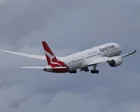
Disruption on Trans-Pacific Flight Results in Passenger Being Banned from Qantas
A significant incident occurred recently aboard a long-haul flight traveling from Australia destined for the United States. The disruption, which reportedly involved a passenger allegedly biting a cabin attendant, led to the aircraft making an unscheduled diversion. This event prompted immediate action from the airline, resulting in the detainment of the individual and imposing a travel ban from Qantas Airways for future journeys.
The flight, originally departing from Melbourne with the final destination of Dallas, was forced to divert to Papeete, Tahiti, several hours into its journey. According to reports, the level of the passenger’s disruptive behavior necessitated the unplanned landing. This sequence of events has prompted an overhaul of the airline’s internal protocols regarding disruptive behavior in premium cabin seating.
The Implications of In-Flight Disruption
The immediate consequence of the alleged incident was not only the unplanned grounding of the aircraft but also the severe penalty levied against the passenger. Being banned from Qantas highlights the seriousness with which the airline treats passenger misconduct. Such incidents put the safety and comfort of other travelers at risk and can significantly impact the operational aspects of an international route.
From a broader industry perspective, this incident serves as a cautionary tale for the aviation sector. Maintaining passenger calm and managing volatile behavior across vast distances are complex logistical challenges. Airlines must balance passenger rights with the imperative to maintain a secure and functional cabin environment, especially on lengthy international routes.
Context of International Air Travel
Long-distance air travel, particularly routes spanning continents such as Australia to the US, places immense reliance on adherence to established safety and conduct guidelines. When behavioral issues escalate to the point of physical confrontation, as suggested here, the flight crew must execute emergency procedures while simultaneously de-escalating the situation. The diversion to Tahiti represents a significant operational deviation, requiring coordination between multiple international authorities and ground support teams.
The outcome—a formal ban—suggests that the airline conducted a thorough review of the circumstances. These disciplinary measures are intended to prevent recurrence, ensuring that the travel experience for the majority of passengers remains uninterrupted and safe, even when unpredictable events occur mid-flight.
About the Author




