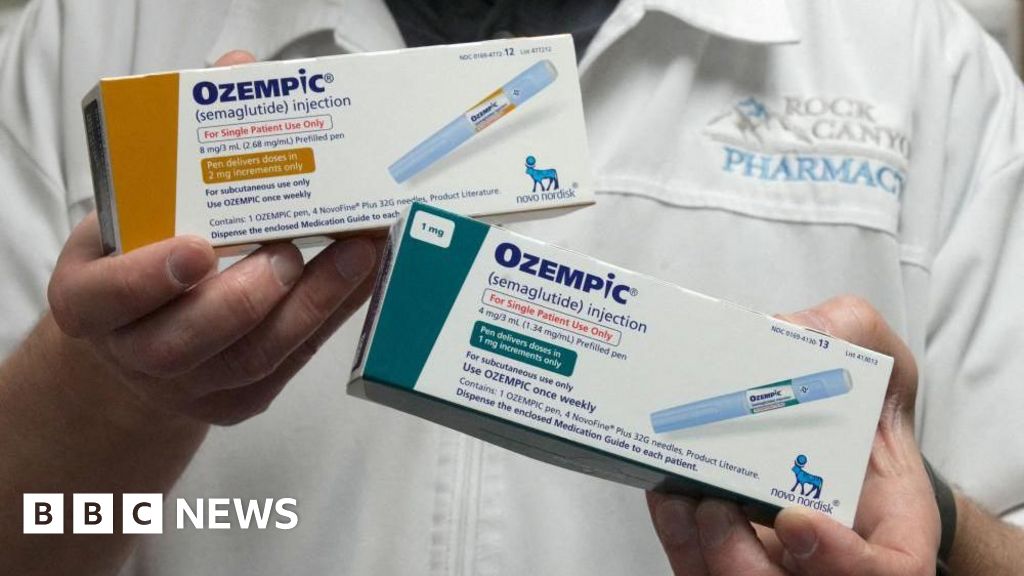
The availability of generic versions of high-demand medications, such as those containing semaglutide, marks a significant potential shift in patient access and cost for treating conditions like prediabetes and obesity. In a notable development, Canada became the first nation within the G7 to approve generic injections for this class of drugs. This approval is expected to dramatically lower the cost of the medication, potentially making it accessible to a much broader segment of the population who currently struggle with out-of-pocket expenses.
For individuals managing weight or blood sugar levels, the cost barrier associated with brand-name treatments has been substantial. In some cases, patients face significant monthly bills, requiring personal financial adjustments to maintain prescriptions. The introduction of lower-cost, bioequivalent alternatives aims to alleviate this financial strain, suggesting a pathway toward greater healthcare affordability for millions who rely on these treatments.
This move in the Canadian market has already exerted downward pressure on the pricing of the brand-name products. Furthermore, the international success in introducing generic alternatives—following similar actions in other regions—is drawing attention to the high cost disparity seen globally, particularly when comparing access between different countries.
About the Author