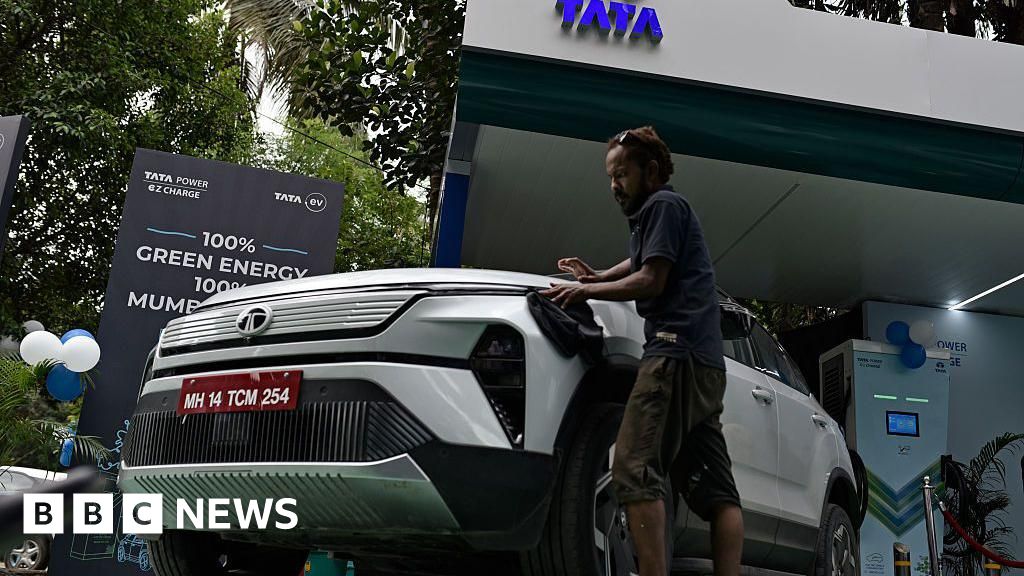
The Shift to Electric Mobility: What Fuels India’s Growing EV Adoption?
The electric vehicle (EV) market in India appears to be crossing a significant adoption threshold, signaling a potential transition into mainstream consumer use. Evidence suggests a substantial increase in interest and sales across various segments of the automotive industry. While the overall market penetration of passenger EVs crossed a notable five percent mark this year, signaling a key moment for mass-market acceptance, the momentum is building rapidly.
This accelerating trend is fueled by a combination of immediate economic pressures and forward-looking regulatory changes. The volatile global energy landscape, marked by significant increases in crude oil costs, has placed mounting financial pressure on consumers regarding traditional fuel expenses. Compounding this, government advisories encouraging resource conservation have amplified the economic argument for alternative transport methods.
Market Momentum and Consumer Behavior
The enthusiasm for EVs is not confined to single segments. The adoption rate is particularly robust in higher-priced passenger vehicles, where sales figures indicate that nearly one in every ten new cars purchased is now electric. Furthermore, the foundational segments of two-wheelers and three-wheelers are already heavily invested in electrification, with electric models dominating sales volumes in those categories. This broad-based uptake suggests that the shift is becoming systemic rather than niche.
Looking beyond immediate price triggers, the long-term structural incentive driving this industry shift is regulatory reinforcement. Upcoming emission standards are set to impose stricter mandates on vehicle manufacturing. These forthcoming regulations are designed to significantly curb carbon output across the board, creating a binding compliance requirement that automakers must address. This change is expected to provide a solid, predictable push, compelling greater adoption rates over the next decade.
Significance of Future Regulations
The new emissions framework is anticipated to require a substantial reduction in vehicle carbon output by a specified year. Crucially, this upcoming standard is expected to introduce binding targets and associated penalties, which is a major step up from the current incentive structure. This mechanism suggests that the industry is moving toward a formalized, accountability-driven transition plan, which is vital for sustaining the growth seen thus far.
Contextual Overview
The Indian automotive sector has historically relied heavily on imported oil, making its operational costs sensitive to international price fluctuations. The period of relative stability in fuel costs has ended, making vehicle operational efficiency a primary concern for consumers. Alongside this, national discourse has increasingly emphasized sustainable practices, lending public support to cleaner transport options. Therefore, the confluence of economic volatility, governmental push for efficiency, and tightening environmental mandates is creating a powerful confluence of factors driving the automotive industry toward electric power.
About the Author