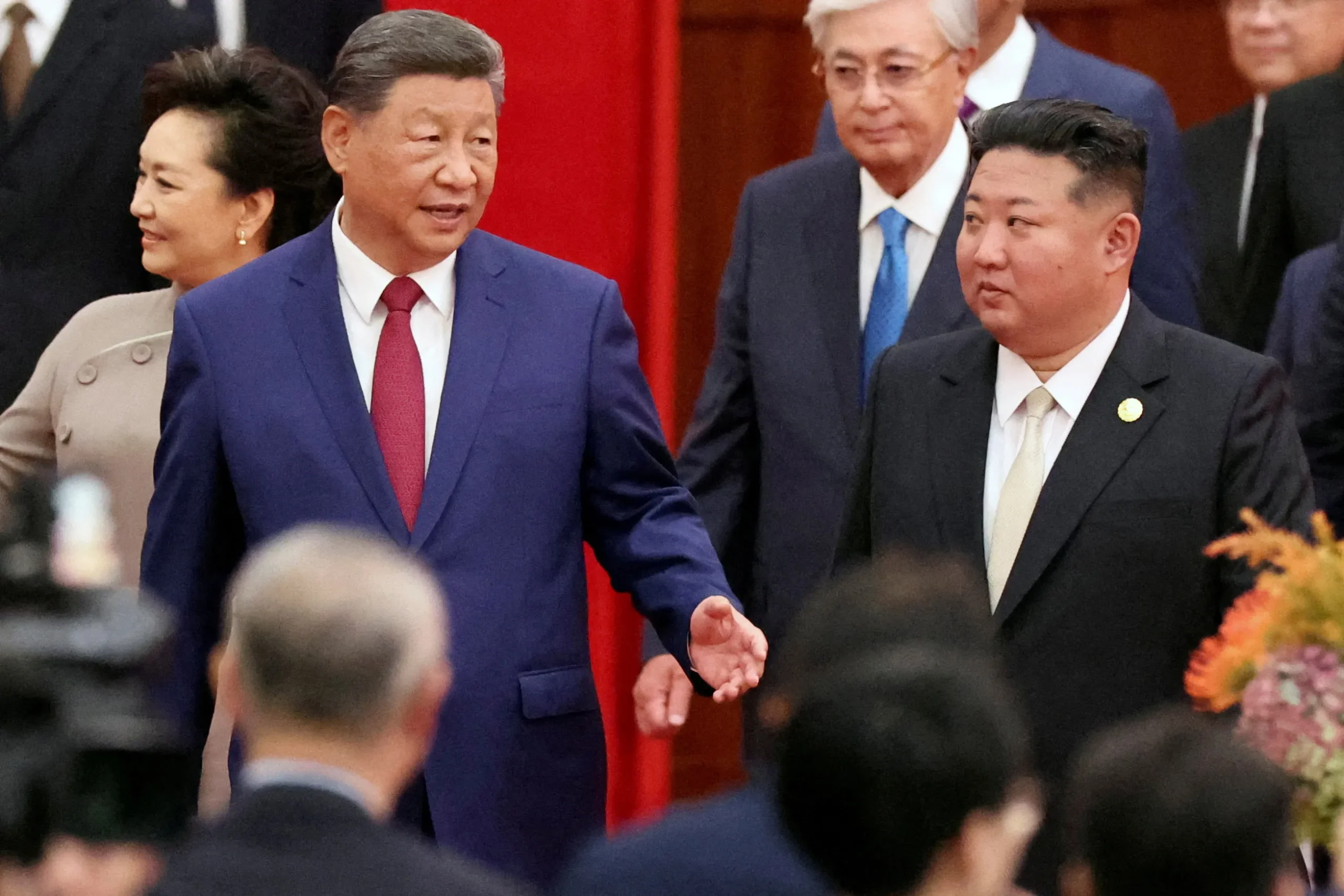
Chinese President Xi Jinping is embarking on a high-profile trip to North Korea, marking his first official visit to the nation in seven years. This diplomatic effort arrives at a moment of heightened global and regional complexity. Beijing’s objective appears to be the reinforcement of its strategic relationship with Pyongyang, a connection that has been undergoing shifts as North Korea deepens its engagement with other global powers.
The timing is particularly notable given the concurrent diplomatic activities involving China. Just prior to heading to North Korea, Xi Jinping met with the leaders of both Russia and the United States. These engagements suggest a concerted effort by China to manage multifaceted geopolitical dynamics, positioning itself as a key mediator and stabilizing force in a region characterized by shifting alliances and heightened international tensions.
For North Korea, the visit from its major neighbor, coupled with its recent strengthening of ties with Russia, underscores its delicate diplomatic position. While the Kim regime has cultivated closer operational ties with Moscow—including reports of material support to the Russian effort—China remains an indispensable pillar of support. Economically, the dependency of the DPRK on China for trade and export revenue is historically significant, underscoring the enduring depth of the bilateral relationship despite geopolitical divergences.
What This Means: Regional Stability and Economic Lifelines
This visit underscores the enduring, yet evolving, nature of China’s commitment to the Korean peninsula. For Beijing, maintaining robust ties with Pyongyang is crucial for regional stability, especially as China navigates its own complex relationships with Washington and Moscow. The need to keep North Korea engaged economically serves as a vital hedge against broader geopolitical uncertainties.
For Pyongyang, the combined outreach from Beijing and Moscow suggests a strategic balancing act. While Russia provides military and tactical alignment, China supplies the essential economic lifeline. This confluence of major powers interacting on the peninsula highlights the immense strategic importance of North Korea’s continued, albeit constrained, stability to the wider East Asian balance of power.
Background and Context: Navigating Post-Pandemic Diplomacy
The resumption of high-level visits signifies a concerted push by China to re-energize its relationship with North Korea following the disruptions caused by global health crises. Historically, China has maintained a unique and crucial role as the sole, formal treaty ally. Efforts have been ongoing to reaffirm the bond between the two nations. Official statements have indicated a desire among the two countries to enhance coordination on regional and international issues, emphasizing the necessity of close dialogue to manage ongoing challenges in the region.
About the Author