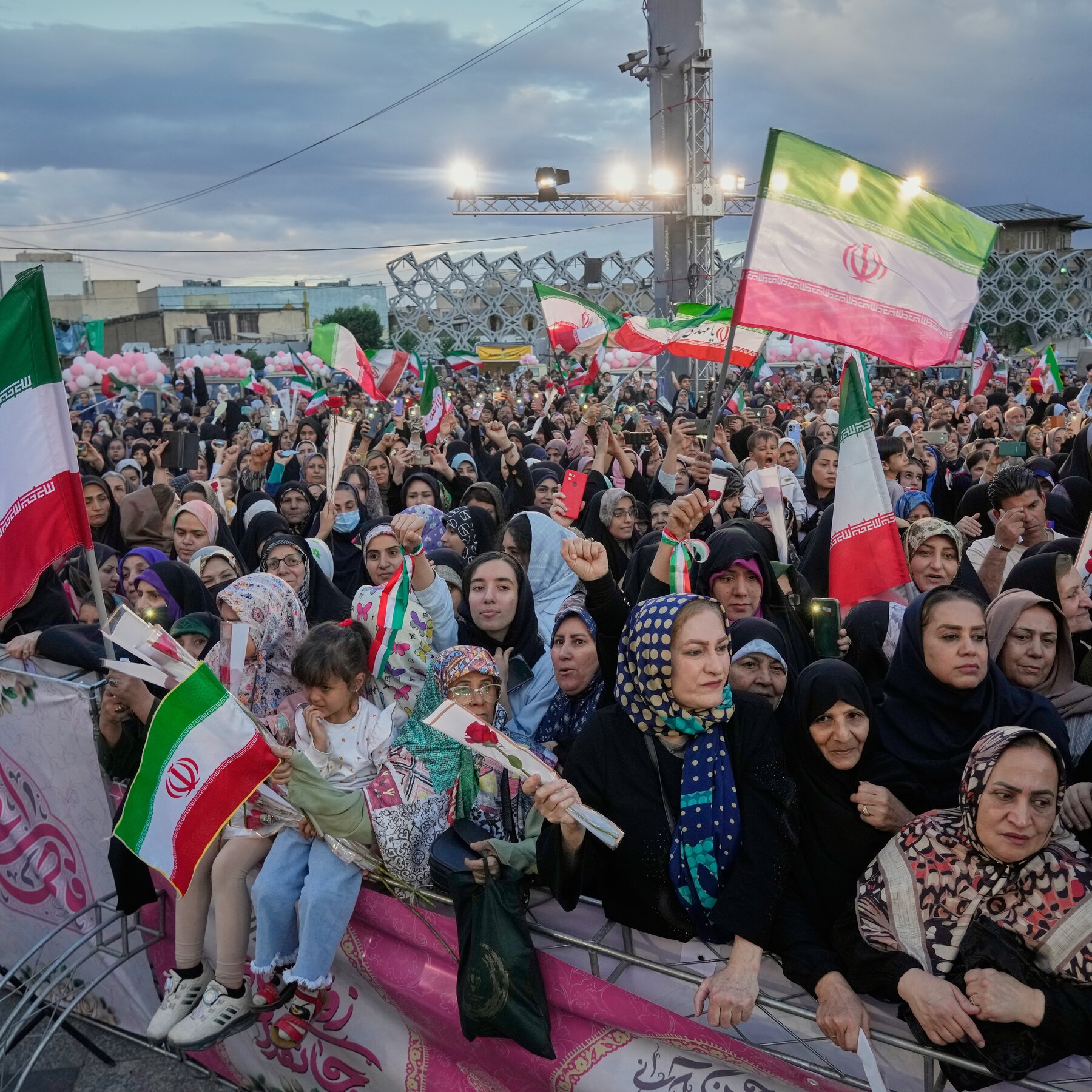
Tension Remains Over Global Energy Artery Amid Peace Deal Speculation
Discussions surrounding potential diplomatic breakthroughs in the Middle East have immediately drawn international attention to crucial global chokepoints. Even as suggestions of imminent peace agreements circulate, key infrastructure points—particularly the vital maritime passage known as the Strait of Hormuz—remain central to geopolitical analysis. While the status of any comprehensive resolution remains unconfirmed, expert commentary suggests that the viability and openness of this energy artery are key factors to watch as global markets await concrete developments.
The Strait of Hormuz is recognized globally as an absolutely critical transit route for the movement of crude oil and liquefied natural gas. Any perceived stability or major diplomatic shift in the region inherently impacts expectations for this waterway. Reports from official channels have suggested that the prospect of normalized conditions in the broader area could facilitate the unimpeded flow of energy resources through this strait, an event that would significantly alter global energy supply dynamics and market sentiment.
The Significance of Keeping the Straits Open
The unimpeded operation of the Strait of Hormuz is not merely a regional matter; it forms a pillar of global economic stability. Because such a large percentage of the world’s seaborne oil transits through this passage, its continued accessibility directly correlates to the perceived risk profile for global shipping and commodity pricing. Therefore, any diplomatic progression, whether it involves negotiations or de-escalation, is viewed through the lens of whether it secures the safe passage of maritime trade.
The speculation surrounding renewed stability highlights the interconnected nature of regional politics and international trade. When discussions about peace are raised, the immediate focus naturally shifts to removing points of potential conflict that could jeopardize trade flow. For the international community, the operational status of vital passages like the Strait of Hormuz represents a primary measure of diplomatic success or failure.
Context of Maritime Security in the Gulf
The waterway has historically been a flashpoint for geopolitical maneuvering, given its role in powering global economies. Military posturing, navigational disputes, and international security concerns have repeatedly placed the Strait at the center of global headlines. Consequently, the focus remains intensely fixed on de-risking this corridor. Any development suggesting a de-escalation of tensions or the establishment of new security protocols would be immediately interpreted as a major boon for energy markets and global logistics planning.
In summary, the discourse surrounding potential diplomatic agreements underscores one persistent underlying concern: the maintenance of free and secure passage for maritime commerce. The Strait of Hormuz serves as a tangible barometer for the broader peace efforts, making its operational status a topic of continuous, high-stakes monitoring by economic analysts and policymakers alike.
About the Author