Examining the Shifting Power Dynamics Surrounding Kim Jong Un
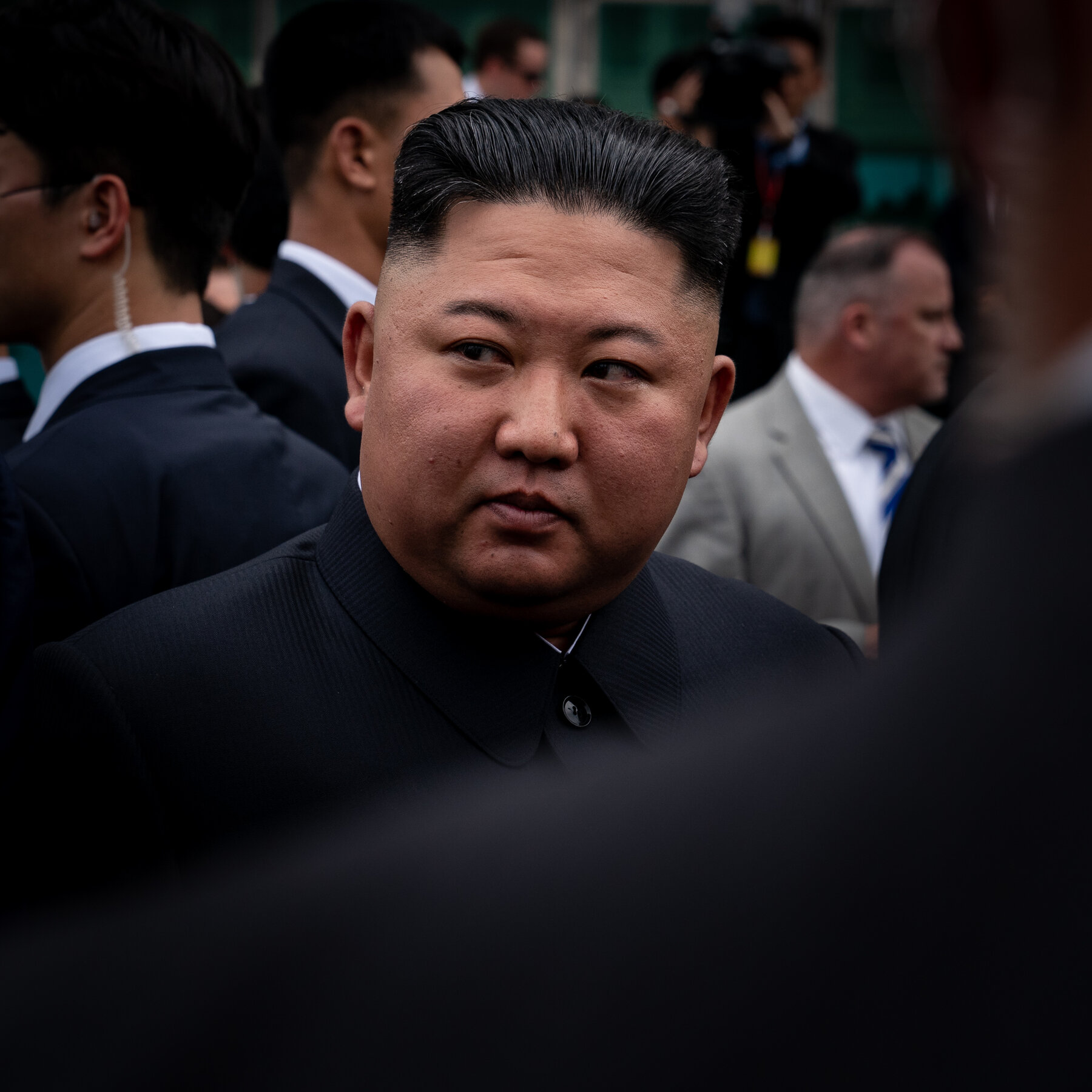
The current geopolitical landscape has positioned Kim Jong Un as a remarkably dominant figure within North Korea’s leadership structure. His increased stature and influence appear to be intrinsically linked to the major international conflicts occurring globally, notably the conflict in Ukraine. This external turmoil has provided an environment where his authority and strategic control within the DPRK have significantly expanded.
The nation’s focus and resources have been redirected, allowing the regime to consolidate power domestically while presenting a more assertive international posture. This shift suggests a strategic realignment, moving beyond previous cycles of isolation or limited engagement. Experts and observers are closely monitoring how this enhanced regional maneuvering influences Pyongyang’s long-term goals and its relationship with global powers.
Analyzing the Significance of External Conflicts
The ongoing war in Ukraine represents a major focal point in understanding Kim Jong Un’s rise in prominence. Such large-scale international conflicts create global vacuums and shift diplomatic priorities, which regimes like North Korea can exploit to enhance their standing. By aligning with certain global actors or exploiting the attention drawn to other theaters of conflict, the leadership has managed to elevate its operational capabilities and political clout beyond prior historical levels.
The Trajectory of DPRK Authority
Historically, the regime’s power structures have been subject to internal shifts and external pressures. However, the contemporary environment appears to favor a more centralized and visibly empowered leadership under Kim Jong Un. This strengthening of his personal authority has manifested in various observable areas, from military modernization efforts to changes in diplomatic outreach. It points toward a period of proactive state management designed to secure the regime’s longevity amidst heightened international instability.
Contextualizing North Korea’s Global Stance
To fully grasp the weight of this transition, one must consider the broader context of North Korea’s isolation. Historically, the country has been subject to intense international scrutiny and sanctions, which have limited its economic and political mobility. However, the global focus on major geopolitical flashpoints has provided peripheral attention, allowing the regime to maintain a degree of operational latitude. This improved room to maneuver is perhaps the most critical development, allowing Pyongyang to pursue ambitions it could not easily realize during periods of intense unified international consensus against it.
In essence, the interplay between a volatile global scene and the internal consolidation of power marks a significant turning point. The external chaos has inadvertently—or perhaps intentionally—created the conditions for a more assertive and formidable projection of power emanating from the Korean Peninsula.
About the Author