Navigating the Crossroads: Iran’s Rhetoric and the Trajectory of U.S.-Iran Relations
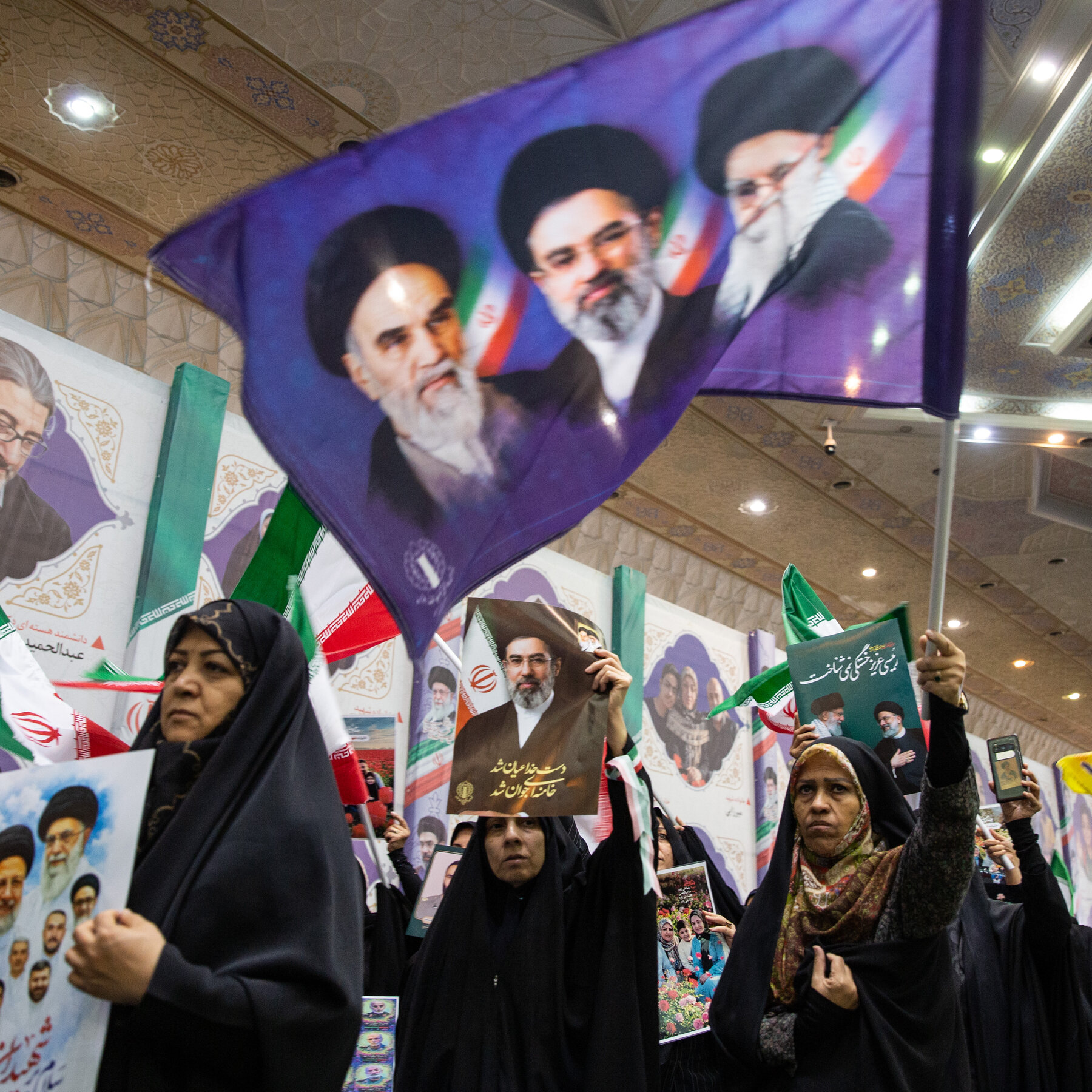
The relationship between Iran and the United States remains fraught with escalating tensions, evidenced by recent military confrontations. While some diplomatic avenues suggest ongoing dialogue aimed at de-escalation, official pronouncements from Iranian sources indicate a readiness to increase hostilities. This juxtaposition—of back-channel negotiations running parallel to hardened military posturing—creates a volatile regional atmosphere.
The timing of these warnings follows direct actions taken by U.S. military assets against facilities located within Iran. Such incidents heighten the risk profile across the region. Despite the immediate flare-ups, diplomatic efforts reportedly continue behind the scenes, suggesting multiple global stakeholders are attempting to steer the conflict toward a negotiated settlement rather than outright military escalation.
What This Means: A Precarious Balancing Act
The current dynamic suggests that any breakthrough in diplomacy must contend with significant, palpable military brinkmanship. If dialogue fails to create concrete guarantees of security or strategic withdrawal, the threat of renewed military action looms large. For international observers, the primary concern is the potential for miscalculation—a military incident that spirals beyond control, impacting global energy markets and regional stability.
The insistence on maintaining high levels of military readiness from one side, contrasted with talk of talks from the other, implies that the paths toward de-escalation and armed confrontation are not mutually exclusive. Any resolution will likely require assurances regarding sovereignty and freedom of operation that satisfy both the security objectives of the United States and the national interests of the Iranian government.
Background Context: A Long History of Friction
The underlying friction between the two nations is rooted in long-standing geopolitical disagreements over regional influence and international norms. Periods of intense confrontation have defined much of their modern interaction, leading to a pattern where diplomatic overtures are frequently interrupted or overshadowed by direct military maneuvers. These historical dynamics make the current situation particularly unpredictable.
Experts tracking international relations point to the persistent need for structural agreements that address the root causes of mistrust. While ongoing high-level discussions are intended to establish a framework for peace, the immediate threat posture indicates that the confidence-building measures required for genuine peace remain significantly underdeveloped. The world watches closely to see if dialogue can overcome the inertia created by repeated armed standoffs.
About the Author