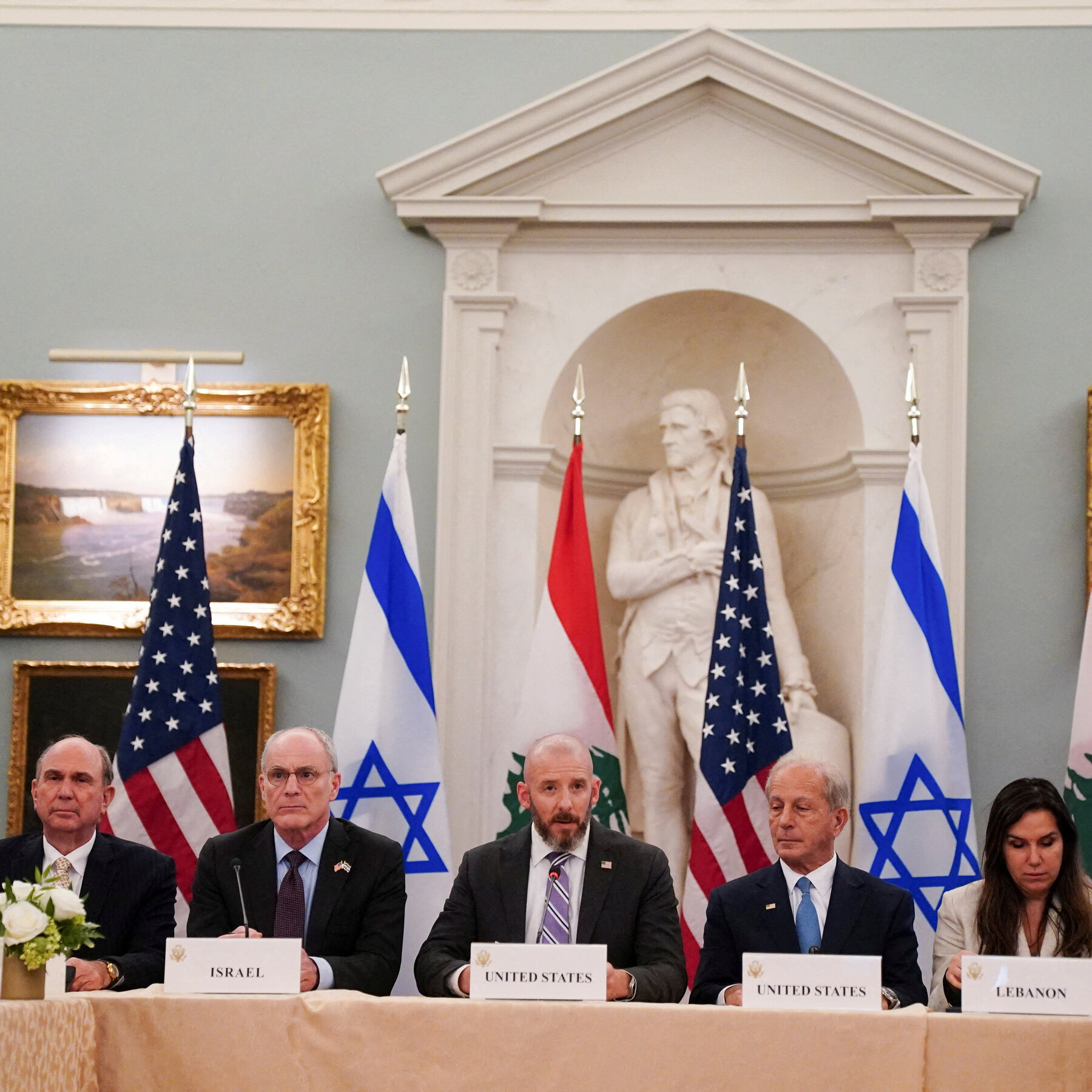
Fracturing Diplomacy: Key Factors Undermining Potential Peace in the Mideast
Recent developments in the Israeli-Lebanese border region suggest that efforts to secure a sustained cessation of hostilities are facing significant hurdles. The complexity of the conflict appears to be deepening as differing factions exert independent influence over the political landscape. Initial agreements or understandings reached between Israel and segments of the Lebanese political establishment seem to have faltered, casting considerable doubt on the imminent establishment of a lasting peace or truce.
A critical element contributing to this instability is the role of non-state actors. Specifically, statements have emerged indicating that a major militant group, which has strong ties to Iran, has reportedly rejected a diplomatic framework that was initially being discussed. This rejection points to a fragmentation within the overall conflict dynamics, suggesting that any negotiated settlement would require buy-in from a wider array of powerful groups than previously assumed.
Understanding the Implications of Stalemate
The implications of this diplomatic setback are far-reaching, threatening to prolong a period of high military alert and regional instability. If major armed factions refuse to adhere to agreed-upon de-escalation measures, the risk of localized confrontations escalating into broader regional flare-ups increases substantially. The primary challenge confronting international mediators is aligning the positions of disparate groups whose interests—and allegiances—are deeply entrenched and often divergent.
The Context of Fragmented Negotiations
Historically, attempts to broker peace in this volatile corridor have relied on multi-party negotiations involving governmental representatives. However, the involvement of non-state armed factions, particularly those whose support bases are transnational, introduces elements of unpredictable leverage. These groups operate outside the traditional diplomatic channels, meaning that any framework established between national governments must account for their stated positions and ongoing military capabilities.
This situation illustrates a recurring pattern in complex geopolitical hotspots: the failure to create a consensus among all key armed players leads to the collapse of diplomatic efforts. When the primary objectives of involved parties remain misaligned—or when key players actively refuse participation—the path toward sustainable peace remains obscured by escalating tensions and unresolved military postures.
About the Author





