Escalating Tensions: Analyzing the Strategic Flashpoint at the Strait of Hormuz
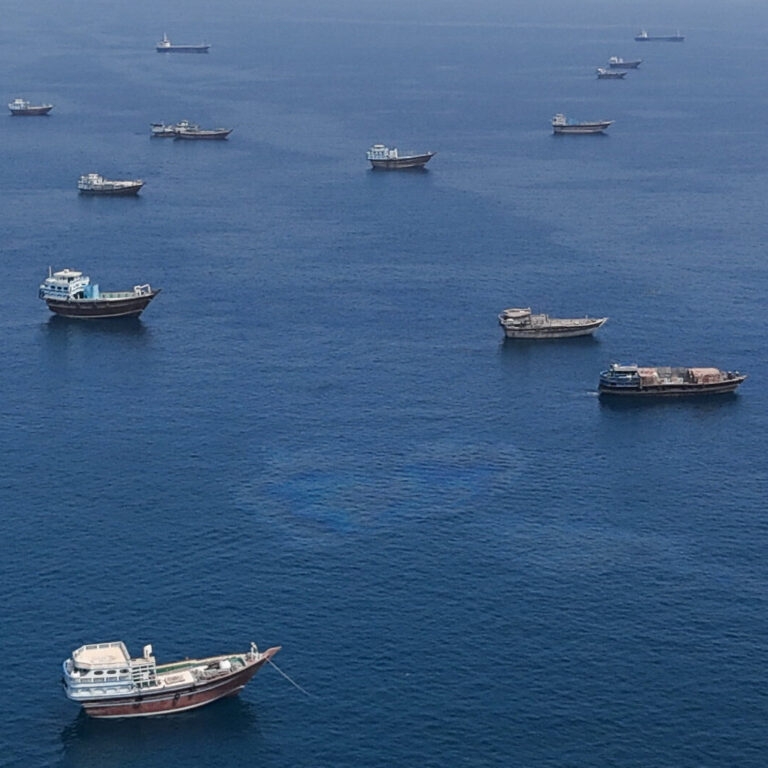
Recent statements from Iranian officials suggest a heightened readiness to respond to external pressures, particularly concerning global maritime chokepoints like the Strait of Hormuz. These remarks imply that the current geopolitical friction is far from peaking, suggesting that major powers should anticipate further developments in the region. The dialogue circulating around the Strait of Hormuz highlights increasing strategic concern over global energy transit, positioning the waterway as a critical nexus point in international security planning.
The underlying tension revolves around maintaining freedom of navigation against increasingly assertive posturing. When major global players engage in heightened military maneuvers near vital sea lanes, it underscores the immense importance of these passages to the world’s economy. The discourse moves beyond simple disagreements, touching upon the very structure of regional stability and international law as it pertains to maritime security.
What This Means for Global Trade
The primary significance of the heightened tensions centers on global economic stability. The Strait of Hormuz is one of the world’s most vital oil shipping routes. Any sustained disruption or increased risk of conflict in this area has immediate and tangible implications for energy prices and supply chains worldwide. Analysts view any escalation as a direct threat multiplier, capable of rapidly disrupting the flow of oil and gas that fuel global industry and daily life.
Furthermore, the focus on the waterway signals a widening scope of geopolitical contestation. It suggests that disputes are evolving into comprehensive security challenges that require diplomatic, military, and economic solutions simultaneously. Stakeholders are acutely aware that the current environment demands careful de-escalation efforts to prevent a regional flashpoint from becoming a global crisis.
Broader Diplomatic Undercurrents
Beyond the energy corridors, diplomatic dialogues continue to address underlying international disagreements. High-level discussions involving governmental representatives with religious leadership underscore a broader effort to manage political friction through dialogue. These meetings aim to foster mutual understanding between different international viewpoints, seeking common ground amid differing national policies. Such conversations are framed as essential mechanisms for resolving complex disagreements in a manner that supports international harmony and predictable relations.
The confluence of maritime tensions and diplomatic consultations paints a picture of a region grappling with multiple layers of stress—from critical trade choke points to overarching political ideologies. Navigating this complexity requires sustained international cooperation and a commitment to established norms of international law to ensure that critical global passages remain open and secure for commerce.
About the Author