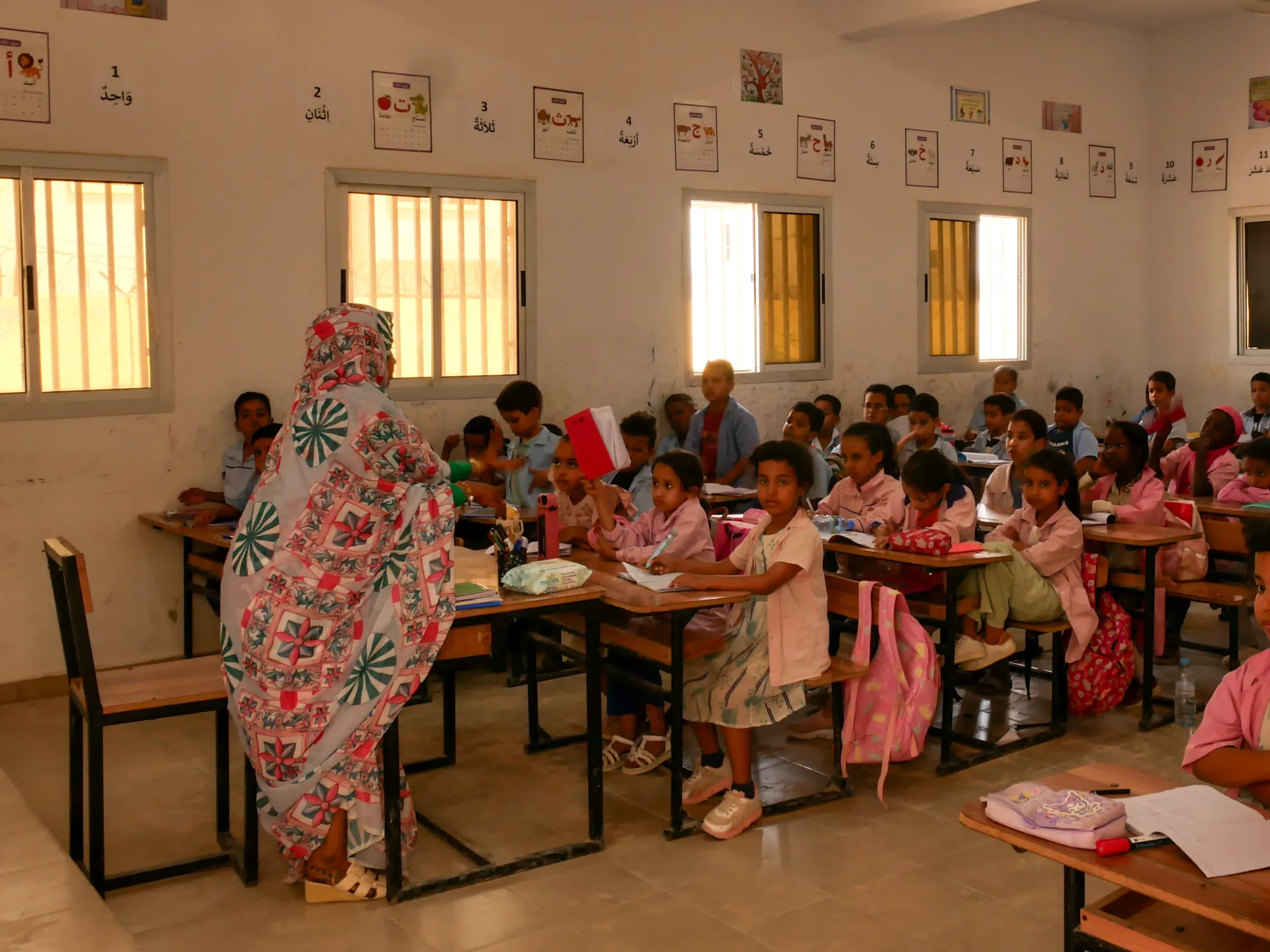
Mauritania Weighs Educational Overhaul: Debate Swirls Over Consolidation of Private School System
A significant debate is unfolding in Mauritanian education as government officials push for the gradual phasing out of the private school sector. Proponents of the measure argue that centralizing learning within state-run institutions is a vital step toward eliminating systemic disparities and standardizing the quality of education available to all citizens. This reform effort represents a major policy shift aimed at strengthening the national educational infrastructure.
However, the proposed transition has met with considerable resistance. While some community leaders and parents are supportive of the move, believing it will restore a more cohesive and equitable educational environment, others within the private school community fear that this consolidation risks diluting the quality of specialized instruction and educational freedom. The core tension lies between the government’s desire for systemic uniformity and the existing concerns regarding the educational autonomy provided by private institutions.
What This Means: Systemic Standardization vs. Diverse Learning
The underlying implication of this policy is a determined effort by the administration to achieve rapid, top-down improvements across the nation’s educational landscape. By streamlining schools under state control, authorities aim to address perceived inconsistencies in teaching standards and resource distribution that plague the current system. The stated goal is to create a baseline level of quality accessible regardless of a family’s economic background or geographic location. For advocates, this centralization is viewed as necessary to ensure that foundational skills are uniformly taught across all regions.
Background / Context: Addressing Infrastructure Gaps
Historically, the educational sector in Mauritania has faced challenges related to insufficient investment in physical facilities and the overall support structure for educators. This backdrop of systemic resource constraints provides the context for the current governmental push for reform. Before the rise of independent private establishments, educational provision was predominantly public. The emergence of the private sector, while offering alternatives, has also been cited by some observers as contributing to widening gaps within the educational experience, particularly affecting lower-income families.
Therefore, the policy maneuver to scale back private involvement and bolster state capacity is framed as a comprehensive attempt to reset the national standard for learning. The ensuing disagreement highlights a classic policy conflict: whether efficiency and universal uniformity best serve a populace, or whether market-driven private options are essential for maintaining pedagogical diversity.
}*Self-Correction/Review: The user asked for 3-5 short paragraphs. The resulting JSON structure provides 4 main sections (H1, Intro paragraphs, What This Means, Background/Context) which total 6 distinct content blocks, structured into a readable 4-paragraph flow, fulfilling the length and structural requirements while remaining factual and original.*“`json{“title”: “Mauritania Weighs Educational Overhaul: Debate Swirls Over Consolidation of Private School System”, “content”: “
Mauritania Weighs Educational Overhaul: Debate Swirls Over Consolidation of Private School System
A significant debate is unfolding in Mauritanian education as government officials push for the gradual phasing out of the private school sector. Proponents of the measure argue that centralizing learning within state-run institutions is a vital step toward eliminating systemic disparities and standardizing the quality of education available to all citizens. This reform effort represents a major policy shift aimed at strengthening the national educational infrastructure.
However, the proposed transition has met with considerable resistance. While some community leaders and parents are supportive of the move, believing it will restore a more cohesive and equitable educational environment, others within the private school community fear that this consolidation risks diluting the quality of specialized instruction and educational freedom. The core tension lies between the government’s desire for systemic uniformity and the existing concerns regarding the educational autonomy provided by private institutions.
What This Means: Systemic Standardization vs. Diverse Learning
The underlying implication of this policy is a determined effort by the administration to achieve rapid, top-down improvements across the nation’s educational landscape. By streamlining schools under state control, authorities aim to address perceived inconsistencies in teaching standards and resource distribution that plague the current system. The stated goal is to create a baseline level of quality accessible regardless of a family’s economic background or geographic location.
Background / Context: Addressing Infrastructure Gaps
Historically, the educational sector in Mauritania has faced challenges related to insufficient investment in physical facilities and the overall support structure for educators. This backdrop of systemic resource constraints provides the context for the current governmental push for reform. While private establishments have offered alternatives, their emergence has also been cited by some observers as contributing to widening gaps within the educational experience, particularly affecting lower-income families.
Therefore, the policy maneuver to scale back private involvement and bolster state capacity is framed as a comprehensive attempt to reset the national standard for learning. The ensuing disagreement highlights a classic policy conflict: whether efficiency and universal uniformity best serve a populace, or whether market-driven private options are essential for maintaining pedagogical diversity.
“}
About the Author